ACL Tear: What Just Happened to Your Knee?
A torn cruciate ligament impairs the stability and resilience of the knee. What causes the injury, and how physiotherapy supports healing.

One wrong step, one bad landing, one abrupt stop, and your knee just gave way. Maybe you heard something. Maybe it swelled up within a few hours. If that sounds familiar, there's a good chance you're dealing with a torn ACL.
It's one of the more common serious knee injuries, especially in sports, and it can feel pretty overwhelming at first. The good news is that most people with a torn ACL make a strong recovery, whether through surgery or, for the right candidates, a conservative approach. Physiotherapy plays a supporting role throughout that process, helping you rebuild strength, stability, and confidence in the knee.
What Is an ACL Tear?
The knee is held together by several ligaments, and the anterior cruciate ligament (ACL) is one of the most important. It runs diagonally through the middle of the joint, connecting the thigh bone (femur) to the shin bone (tibia), stopping the lower leg from sliding forward and keeping the knee from buckling during movement.
When that ligament tears, it can go two ways. A partial tear means some fibers are damaged, but the ligament is still partly intact. A complete rupture means it has snapped through entirely. In both cases, the knee loses a significant part of its stability, and that's usually when things start to feel very wrong.
Why Do Anterior Cruciate Ligament Tears Happen?
Most ACL injuries don't come from a direct hit. They happen when the knee gets caught in an awkward loading situation, typically a combination of rotation and inward knee collapse, what clinicians call valgus stress, while the foot stays planted on the ground.
It's the kind of thing that happens in a split second during sport. An abrupt change of direction in football or handball, a landing from a jump in volleyball or basketball, a sharp stop in skiing or tennis. The sudden twisting force is more than the ligament can handle, and it tears.
When the ACL goes, other structures often take damage too. The meniscus, the articular cartilage, and the collateral ligaments are all at risk at the same time.
Symptoms and Diagnosis
An ACL tear has a fairly recognizable set of symptoms, though a proper diagnosis always comes from a clinical examination, not just the symptoms alone.
Acute Warning Signs
A lot of people hear or feel a pop at the moment of injury. After that, things move quickly. The knee swells up fast, sometimes within a few hours, due to bleeding inside the joint (hemarthrosis). Pain kicks in, mobility drops, and the knee starts to feel unstable or like it might give way.
If the knee is rested for an extended period, muscle loss in the thigh can develop on top of everything else, which is one of the reasons early movement is encouraged where possible.
Clinical Stability Tests
To get a picture of how stable the ligament is, doctors and experienced therapists use specific manual tests. The Lachman test and the anterior drawer test are the most common. Both check whether the shin bone can be shifted unusually far forward relative to the thigh, which tells the examiner a lot about the state of the ACL.

The Role of MRI and X-Ray
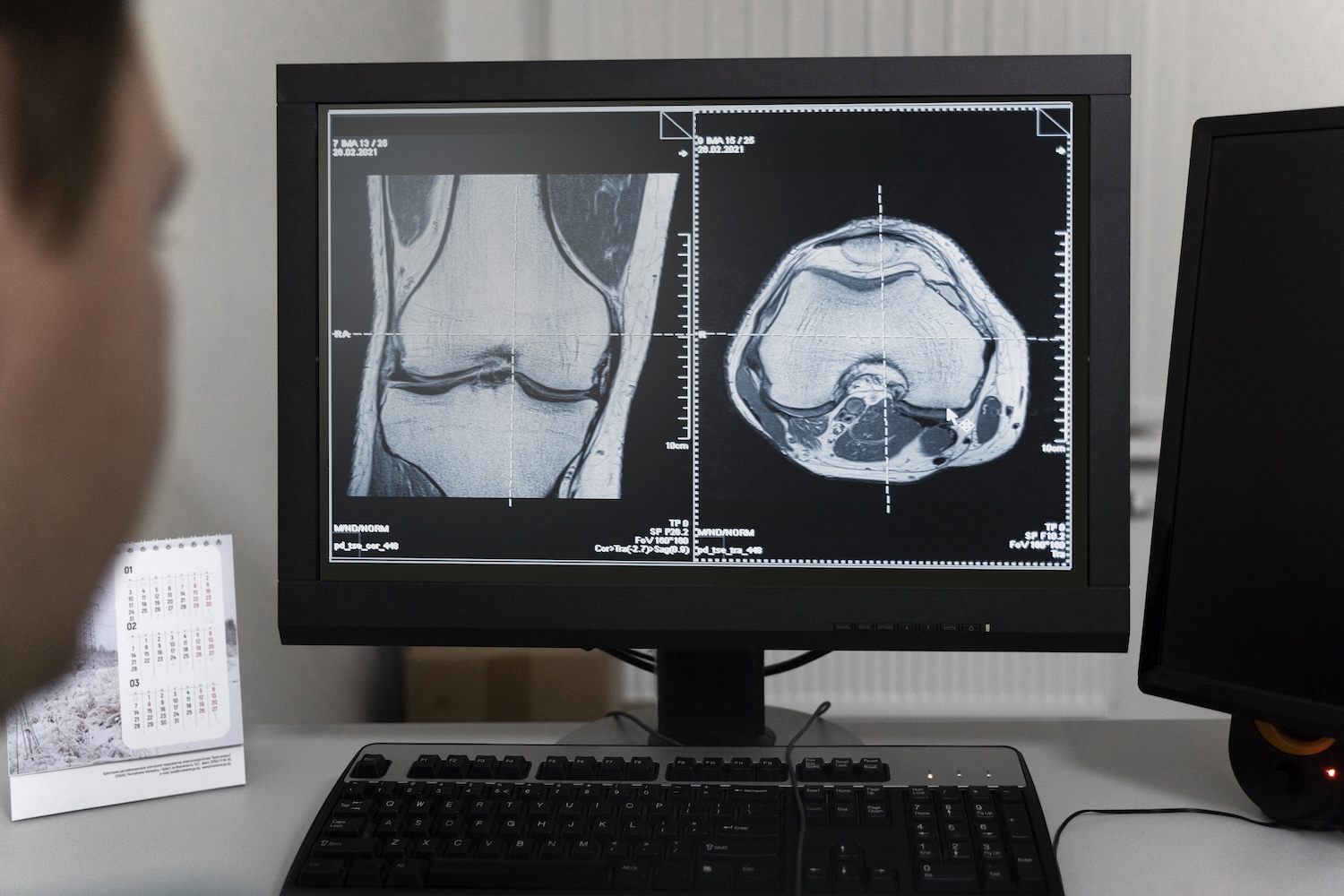
Imaging backs up what the clinical examination finds. An MRI gives a detailed view of the ligament, meniscus, and cartilage, and is the best tool for spotting any accompanying injuries. An X-ray is usually done alongside it to rule out bone damage.
Treatment: Surgery or Conservative Approach?
There's no single right answer when it comes to treating an ACL tear. The decision depends on how unstable the knee feels in daily life, what your activity level and sporting goals are, and whether there are any accompanying injuries. Age plays a role, too. It's a conversation worth having carefully with your doctor rather than rushing into.
When Does Surgery Make Sense?
Surgery tends to be recommended when the knee is significantly unstable in everyday situations or when getting back to intensive sport is the goal. The procedure involves replacing the torn ligament with a tendon graft, usually taken from the patellar tendon or the hamstrings. This is called an ACL reconstruction.
Can an ACL Tear Heal Without Surgery?
Not every ACL tear needs an operation. Some people manage to stabilize the knee through structured strength training and rehabilitation alone. In sports medicine literature, these people are sometimes called "copers", meaning their knee demonstrates enough functional stability to manage without surgical intervention. Identifying whether someone is a true coper requires careful clinical assessment, which is why this decision should always be made together with your doctor or physiotherapist.
Rehabilitation Through Physiotherapy
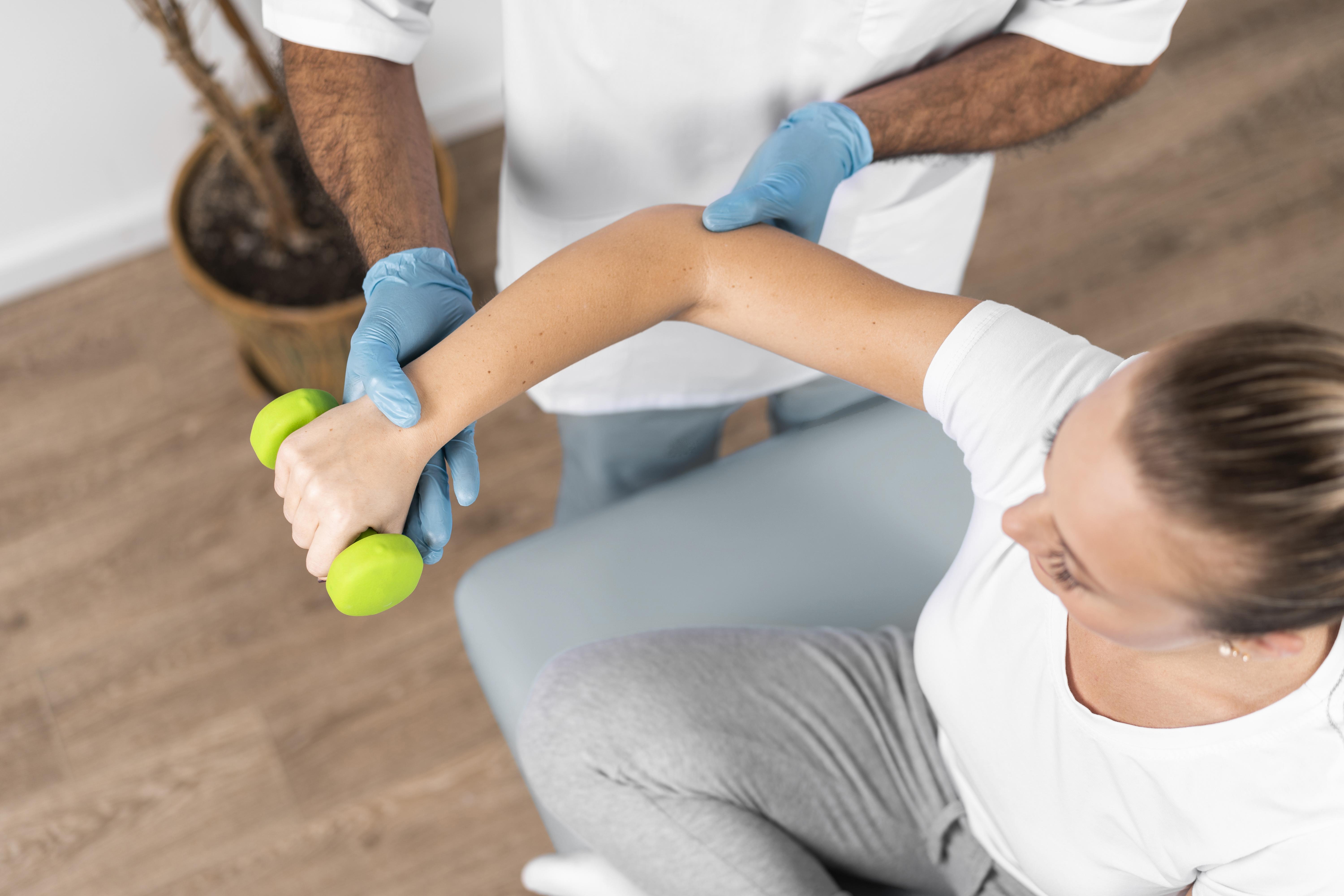
Recovery from an ACL tear happens in phases, and it takes time. Whether you've had surgery or are going the conservative route, rehabilitation usually starts early and runs for several months. The goal throughout is to gradually rebuild stability, strength, and movement quality in a way the knee can handle. You can read more about the approach in our section on sports physiotherapy.
The Early Phase: Getting the Swelling Down
In the first few weeks, the priority is bringing the swelling under control and getting the knee moving again. One early goal that often surprises people is full extension, getting the knee to straighten completely. This matters more than it sounds, because losing extension early can lead to arthrofibrosis, a painful stiffening of the joint caused by scar tissue building up inside it.
Gentle movement exercises, careful muscle activation, and lymphatic drainage are all tools that can support this phase alongside medical care.
The Building Phase: Strength and Stability
Once the swelling settles and pain allows, the focus shifts to rebuilding muscle. The quadriceps and hamstrings are the main targets here, since both play a direct role in protecting the knee under load.
A lot of this work happens through exercises in the closed kinetic chain, meaning the foot stays in contact with the ground throughout the movement. Squats, leg presses, and step exercises are typical examples of this. Medical Training Therapy (MTT) provides a structured framework for building this kind of progressive strength work over time.
Return to Sport: The Final Phase
The last stretch of rehabilitation is about preparing the knee for the demands of real sport again. That means jump and landing training, change of direction work, agility drills, and specific load tests that mimic what the knee will face on the pitch or court.
Returning to sport isn't a date on a calendar. It happens when the knee demonstrates the stability, strength, and movement quality needed to handle it safely.
What to Do After an ACL Tear
A torn ACL is a serious injury, but it's not a career-ending one. With the right diagnosis, a treatment plan that suits your situation, and enough patience to see rehabilitation through properly, most people get back to doing what they were doing before, whether that's competitive sport or just moving through daily life without thinking about their knee.
Recovery takes time, and it takes work, but the outcomes are genuinely good for most people. If your knee feels unstable after an injury and you're not sure what's going on, come in and see us.
Schedule an appointment at PhysioWelt, and we'll take a proper look and help you figure out the best next step.
Frequently Asked Questions (FAQ)
How long does recovery take after an ACL tear?
A full return to sport usually takes somewhere between nine and twelve months. The exact timeline depends on the severity of the injury, whether surgery was involved, and how the rehabilitation progresses.
Do I need surgery straight away?
Not necessarily. Most doctors prefer to wait until the swelling has settled and the knee has regained some mobility before making that call. Rushing into surgery before the joint has calmed down tends to make recovery harder.
What happens if I leave a torn ACL untreated?
The knee can remain permanently unstable, which puts a lot of extra stress on the surrounding structures. Over time that increases the risk of meniscus damage, cartilage wear, and early onset osteoarthritis.
Is swelling normal after three months of rehabilitation?
It can be. The knee sometimes reacts to increases in training load, especially in the building phase. If swelling keeps coming back consistently, it's worth flagging with your physiotherapist or doctor so the program can be adjusted.
What is the point of prehabilitation before surgery?
Going into surgery with stronger muscles and better mobility tends to make recovery faster on the other side. The stronger the knee is before the procedure, the less ground there is to make up afterwards.
More Articles On This Topic

Ready for the First Step Toward a Healthier You?
Don’t let pain limit you any longer! Book an appointment at our physiotherapy clinic in Zurich (Schlieren) by phone or through our online booking system.