Move Freely Again with Neurodynamic Therapy
Experience personalized neurodynamic physiotherapy designed to treat nerve-related pain, irritation, and restricted movement.
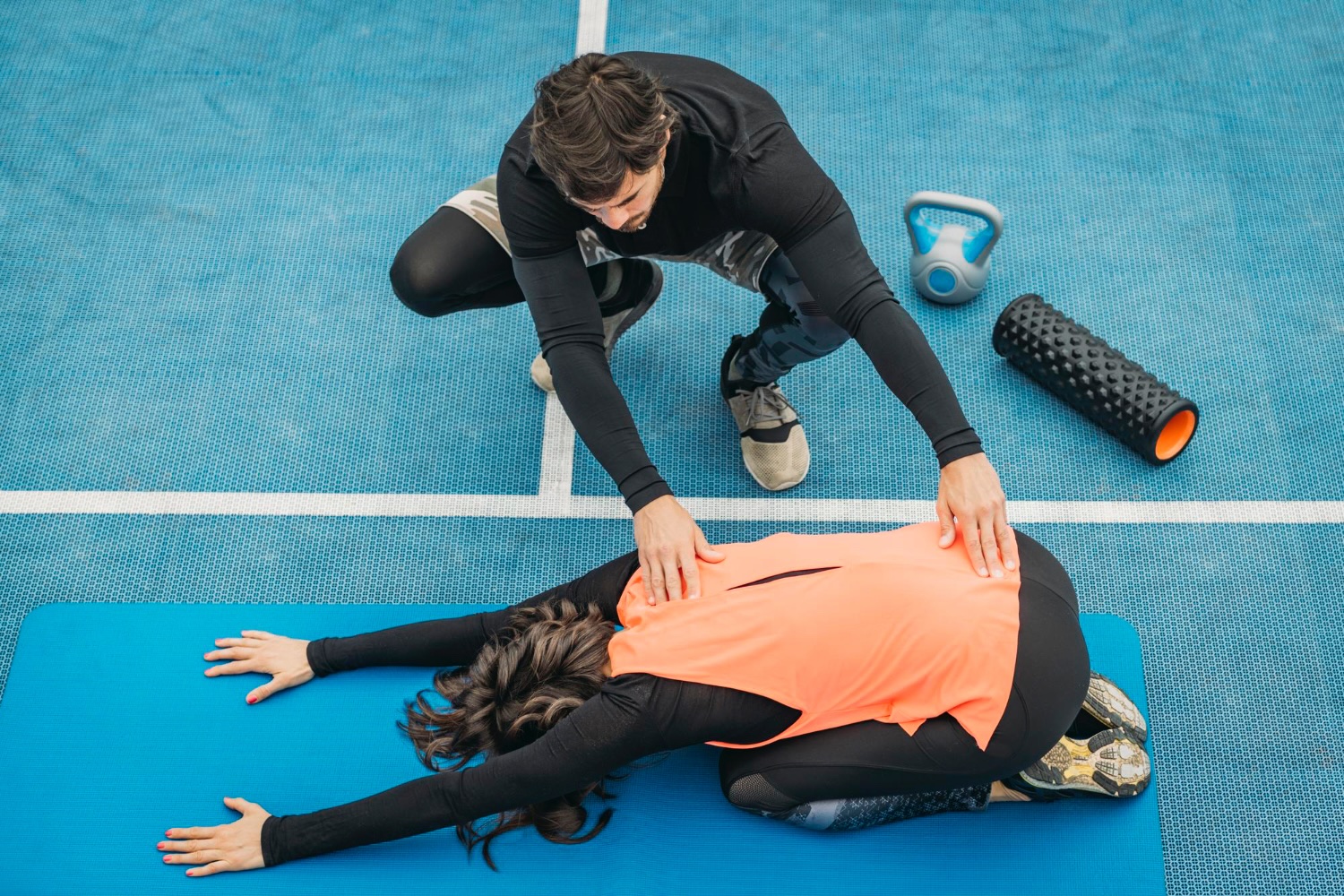
Neurodynamics Physiotherapy in Zurich
If you are suffering from nerve pain, numbness, or persistent tingling, neurodynamics physiotherapy could be the effective solution you have been looking for.
At PhysioWelt in Schlieren, Zurich, we offer specialized physiotherapy aimed at restoring nerve mobility and function through scientifically proven techniques. Whether you are dealing with sciatica, a pinched nerve, or chronic nerve irritation, our team of experts is here to help.
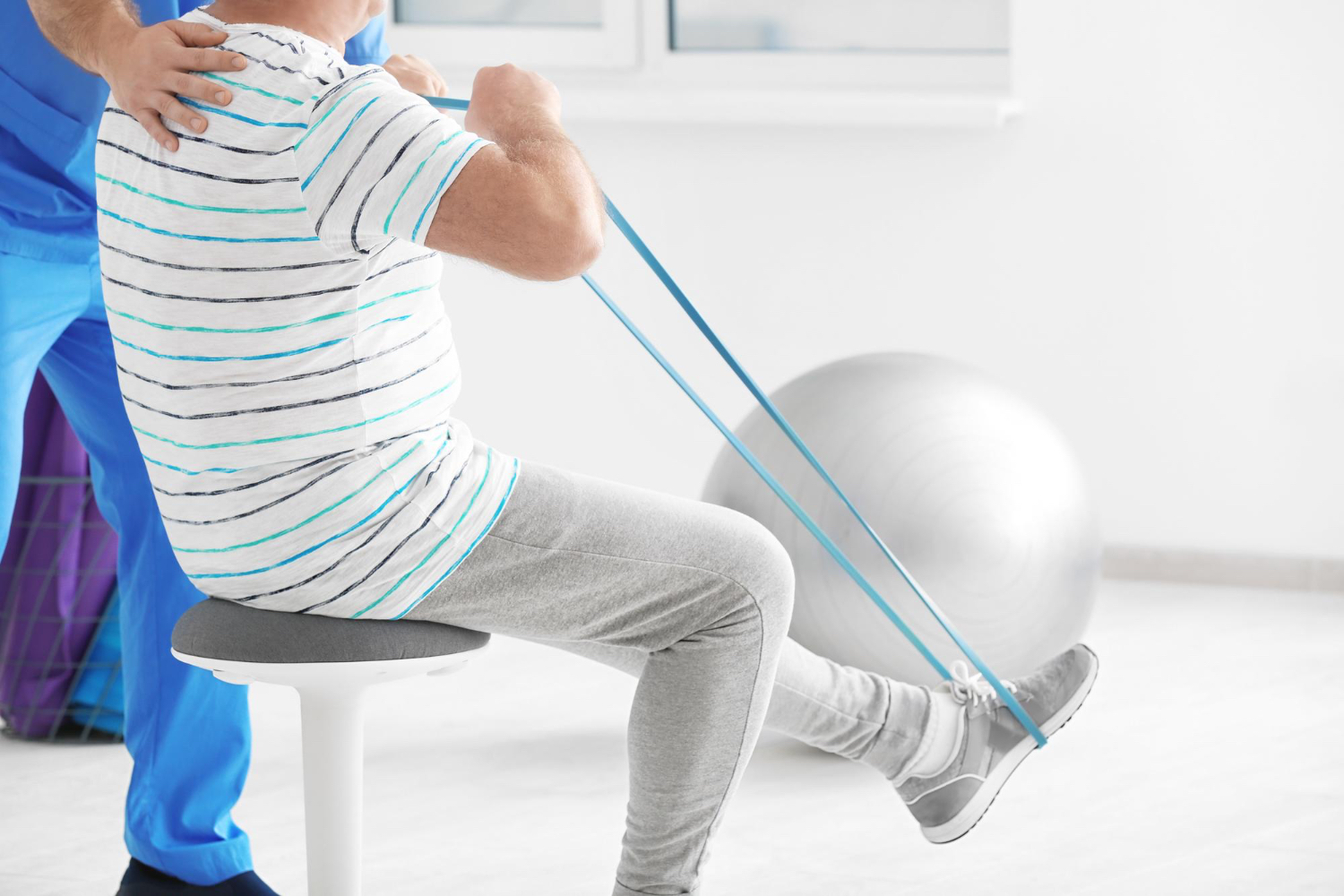
What is Neurodynamic Physiotherapy?
Neurodynamics physiotherapy focuses on the mechanics and health of the peripheral nervous system. It treats conditions where nerves have become restricted, compressed, or irritated due to poor posture, injury, or repetitive strain. Through targeted manual techniques and guided nerve-gliding exercises, this approach restores normal mobility and alleviates pain.
Also known as functional neurodynamics or neuromobilization, this specialized method is based on the concept that nerves, just like muscles and joints, must slide and glide freely to function correctly. When this mobility is restricted, it can lead to symptoms such as burning pain, numbness, or muscle weakness.
Who Can Benefit from Neurodynamic Therapy?
Neurodynamic physiotherapy is highly effective if you are suffering from:
- Pinched nerves
- Irritated or sensitive nerves
- Sciatica or carpal tunnel syndrome
- Restricted nerve movement following surgery
- Persistent nerve-related pain
Every session is adapted to your condition and comfort level. We use a combination of nerve gliding exercises, gentle manual therapy, and functional movement strategies to relieve pain and improve the way your body moves and feels.
How Does Neurodynamic Physiotherapy Work?
Our experienced physiotherapists use a combination of:
- Gentle nerve mobilization to improve nerve health and flexibility.
- Nerve stretching and gliding exercises to restore smooth movement.
- Posture and ergonomic guidance to optimize your workspace and daily habits.
- Self-management education to help you confidently handle symptoms at home.
These techniques aim to improve nerve flexibility, reduce irritation along the nerve pathways, and support lasting relief from neuropathic pain. Your treatment will be tailored to your specific condition and your progress throughout therapy.
Benefits of Neurodynamic Physiotherapy
Neurodynamic physiotherapy supports nerve health by improving how nerves glide and interact with the tissue around them. This approach is especially effective for those dealing with nerve irritation or stiffness.
Many patients experience:
- Meaningful relief from nerve pain and discomfort.
- Better mobility and a greater sense of freedom in their movement.
- Enhanced nerve function and flexibility.
- A natural, drug-free alternative to traditional pain management.
- Faster recovery and nerve healing after an injury or surgery.
Our Specialized Approach at PhysioWelt
At PhysioWelt, we follow a clear, focused approach to neurodynamic therapy. Our goal is to identify the source of your nerve irritation and apply targeted strategies to fix it.
1. Thorough Assessment
Your journey begins with a thorough assessment of both your nervous and musculoskeletal systems. We’ll discuss your medical history and symptoms, then move into a physical evaluation of your strength, mobility, and range of motion. By using specialized tests to pinpoint exactly where your nerves are restricted or irritated, we can create a treatment plan that is perfectly tailored to your needs.
2. Targeted Nerve Mobilization
Based on our findings, we apply specialized manual techniques and exercises:
- Nerve gliding (flossing) exercises: Gentle, controlled movements that help the nerve slide smoothly through surrounding tissues.
- Specific nerve stretching: Specific movements to help your nerves tolerate daily activities again.
- Joint and soft tissue release: Relieving tension in muscles or joints that may be compressing or irritating the nerve.
3. Functional Rehab & Self-Care
To support long-term recovery, we integrate:
- Posture and moving training: Correcting alignment to reduce future stress on your nerves.
- Strengthening: Focusing on the surrounding muscles to provide better support and prevent the condition from returning.
- Personalized Home Program: You receive clear, practical instructions for home exercises to control flare-ups and maintain progress.
Ready for lasting relief? Book Your Neurodynamics Session
Frequently Asked Questions (FAQ)
Answers to common questions about nerve pain treatment.
1. What is neurodynamic physiotherapy?
Neurodynamic physiotherapy is a specialized treatment designed to help your nerves move more freely and function with less irritation. By using nerve gliding (or sometimes called as ‘nerve flossing’) exercises, this approach reduces tension around sensitive nerves and restores their natural mobility. This process promotes lasting pain relief, better movement, and a faster recovery from nerve-related symptoms.
2. Can neurodynamic physiotherapy help with a pinched nerve?
Yes, in many cases. Neurodynamic physiotherapy uses gentle exercises and manual techniques to reduce irritation and improve the nerve's ability to move, relieving the symptoms of "pinching." For some patients, it is an effective non-surgical option, although more severe cases may require medical treatment.
3. What does the neurodynamics treatment feel like?
Mostly, it feels like a gentle stretch. You might feel a mild tingling or a familiar sensation during the movements, but it should never be painful. Your therapist will always work within a range that feels safe and comfortable for you.
4. How does neurodynamic physiotherapy differ from regular physiotherapy?
General physiotherapy often focuses on muscles and joints. Neurodynamics focuses specifically on the nerves, how they slide, glide, and where they might be stuck. At PhysioWelt, we often integrate both approaches into a comprehensive treatment plan, tailored specifically to your condition.
5. What can I do at home for nerve pain?
Your physiotherapist will teach you simple nerve gliding exercises and give you tips on posture. It is important to do these at home to keep the nerves moving freely and prevent symptoms from returning.
Still have questions?
Contact us directly if there is anything else you would like to know.
Ready to Take the First Step Toward a Healthier You?
Don’t let pain limit you any longer! Book an appointment at our physiotherapy clinic in Zurich (Schlieren) by phone or through our online booking system.