Targeted Trigger Point Therapy for Muscle Pain
Our specialized Trigger Point Therapy targets the root cause of your muscle pain.
Through precise and personalized treatment, we help you release tension, alleviate discomfort, and restore your mobility and well-being.
Trigger Point Therapy in Zurich
Are you suffering from persistent muscle pain, stiffness, or restricted movement in your back, neck, shoulders, or other areas? You may be dealing with Trigger Points, which are often the hidden causes of chronic discomfort.
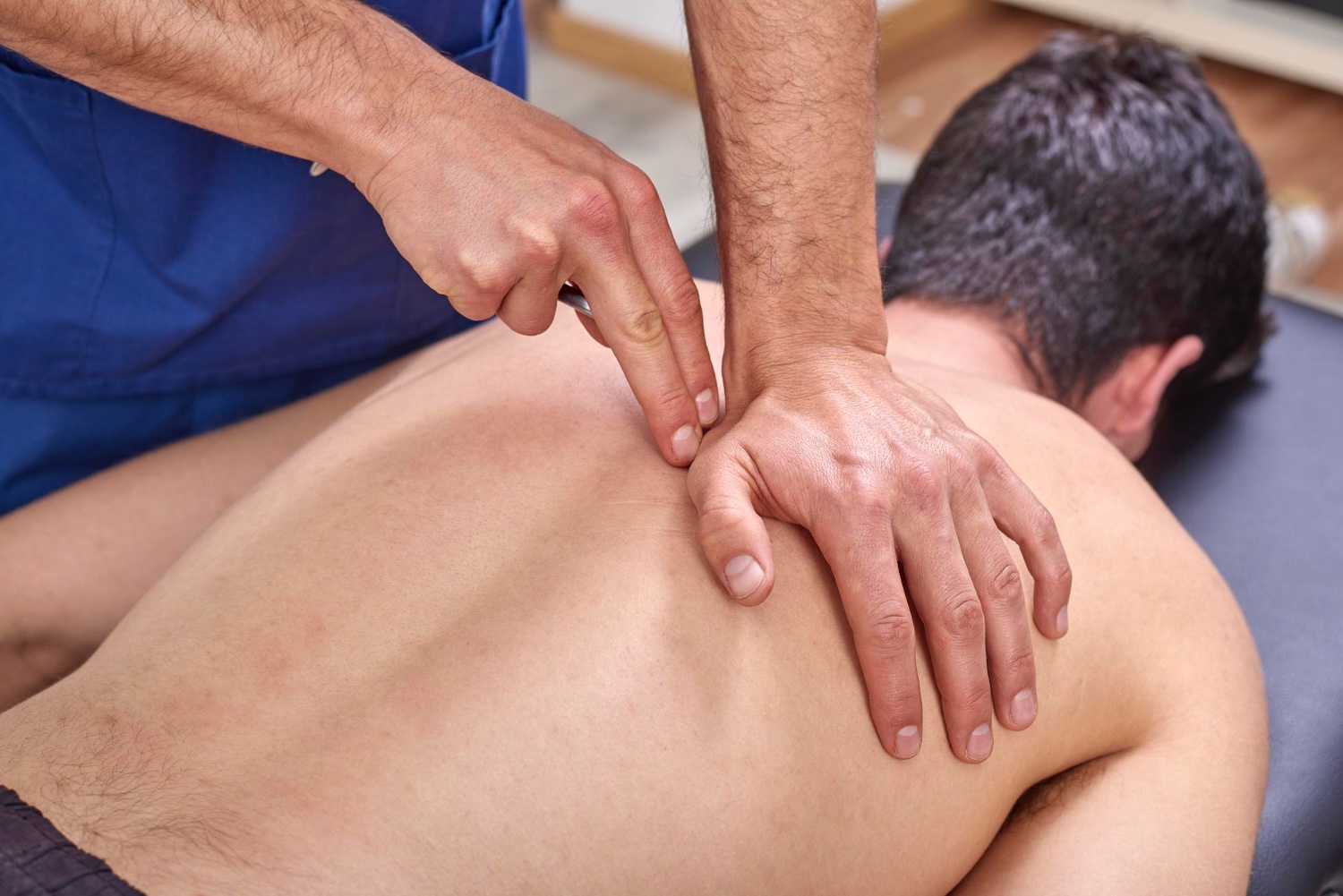
At PhysioWelt in Zurich, we offer specialized physiotherapy focused on locating and releasing these painful muscle knots. By treating the source of your symptoms, we help you reduce pain, improve movement, and support your recovery so you can feel and move better in everyday life.
What is a Trigger Point?
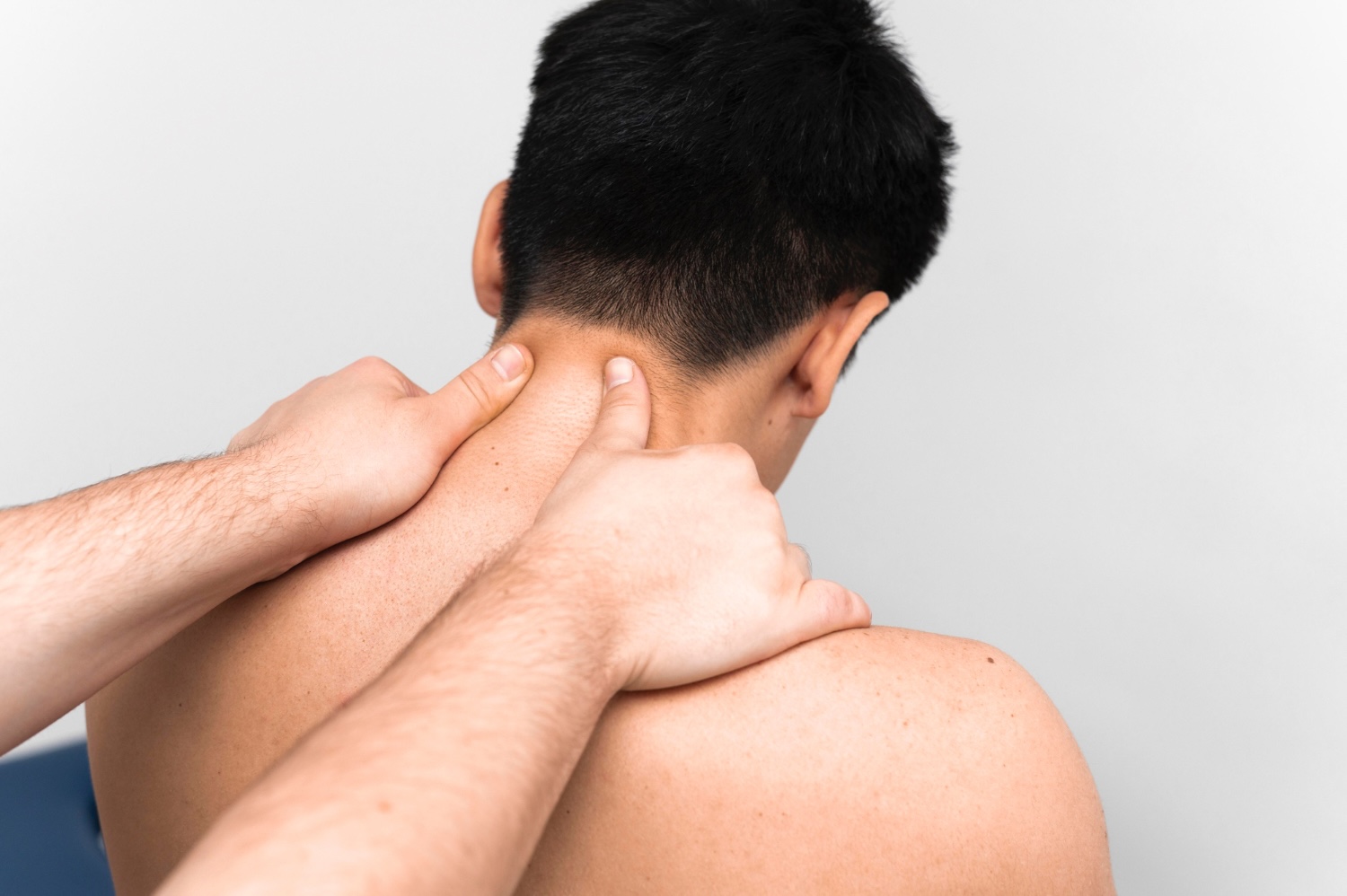
The most common type are Myofascial Trigger Points. A trigger point is a highly sensitive spot within a taut band of muscle fibers. It can cause pain locally as well as in distant areas—a phenomenon known as "Referred Pain."
They often develop due to muscle overuse, injury, or poor posture. These areas often feel like firm "knots" in the muscle and are a frequent cause of chronic tension, pain, and stiffness.
Symptoms of Trigger Points
Trigger points can cause a range of disruptive symptoms that affect daily life, including:
- Localized Pain: A deep, aching pain directly at the trigger point.
- Referred Pain: Pain that radiates to other parts of the body, often far from the source. For example, a trigger point in the neck can lead to Tension Headaches or pain in the back of the head (occipital area).
- Muscle Stiffness & Restricted Mobility: Muscles affected by trigger points can feel tight and inflexible, making daily movements difficult.
- Muscle Weakness & Fatigue: Trigger points can cause muscles to feel weak or tire quickly during activity.
Common Trigger Point Locations
Trigger points (myofascial trigger points) frequently occur in specific areas where tension builds up:
- Back: Common in individuals with poor posture or chronic back pain.
- Shoulder: Often found in the upper Trapezius, Rotator Cuff, or Rhomboids, causing pain that radiates down the arm.
- Neck: Can lead to headaches, neck stiffness, and pain at the base of the skull.
- Glutes: Including Piriformis muscles, which can mimic Sciatica symptoms (Piriformis Syndrome).
- Thighs: Found in the Quadriceps, Hamstrings, or Adductors, often involved in leg fatigue or knee issues.
- Legs & Feet: Can cause pain when walking or standing and are often overlooked in chronic foot or calf conditions.
Need fast relief? We offer appointments in our Zurich clinic within the same week so you can start your recovery without delay.
Our Treatment Approach
At PhysioWelt, our experienced physiotherapists use a comprehensive, patient-centered approach. We combine manual techniques with a deep understanding of musculoskeletal anatomy to provide lasting relief.
1. Assessment & Diagnosis
Your journey begins with a detailed assessment. We discuss your history and perform a physical examination to pinpoint the active trigger point (palpation) and understand the contributing factors.
2. Release Techniques
Once identified, we apply various manual techniques to release the knot:
- Ischemic Compression: Applying sustained, gentle pressure to the trigger point to promote blood flow and muscle relaxation.
- Dry Needling: In some cases, thin sterile needles are inserted into the trigger point to elicit a "twitch response" and release deep tension. This is highly effective for stubborn knots.
- Manual Mobilization: Improving joint mobility and reducing tension in surrounding tissues.
- Stretching & Strengthening: Guiding you through exercises to lengthen tight muscles and strengthen weak ones to prevent recurrence.
3. Rehabilitation & Prevention
We go beyond just relieving current pain. We provide advice on posture correction, ergonomics, and self-management techniques to help you maintain long-term relief.
Frequently Asked Questions (FAQ)
Answers to common questions about Trigger Point Therapy.
1. What causes Trigger Points?
Trigger points are localized, sensitive knots in skeletal muscle. They are believed to form when muscles are overstimulated or overused—due to injury, poor posture, or repetitive strain—leading to tight bands of muscle fibers that cannot relax properly.
2. Is the therapy painful?
During the massage or release technique, you may feel some discomfort or a sensation of "good pain" as the point is released. This typically fades quickly, and most patients report significant relief shortly after treatment. We ensure your comfort throughout the session.
3. How many sessions will I need?
The number of sessions varies depending on the severity and how long you have had the issue. Your physiotherapist will discuss a personalized plan with you after your initial assessment.
4. Can this help with my chronic headaches?
Yes. Trigger point-related headaches are very common. Many Tension Headaches are linked to active trigger points in the neck, shoulders, and base of the skull. Treating these points is often highly effective in reducing headache frequency and intensity.
5. Can I do anything at home?
Absolutely. Your therapist will provide specific stretches and Self-Myofascial Release techniques (e.g., using a tennis ball or foam roller) to help you manage your condition at home and prevent the pain from returning.
Still have questions?
Contact us directly if there is anything else you would like to know.
Ready to Take the First Step Toward a Healthier You?
Don’t let pain limit you any longer! Book an appointment at our physiotherapy clinic in Zurich (Schlieren) by phone or through our online booking system.