
Long-Lasting Migraine Relief in Zurich
A migraine is more than just a headache: it is a complex neurological condition.
Our specialized physiotherapy can treat the musculoskeletal triggers effectively, helping you regain control and live pain-free.
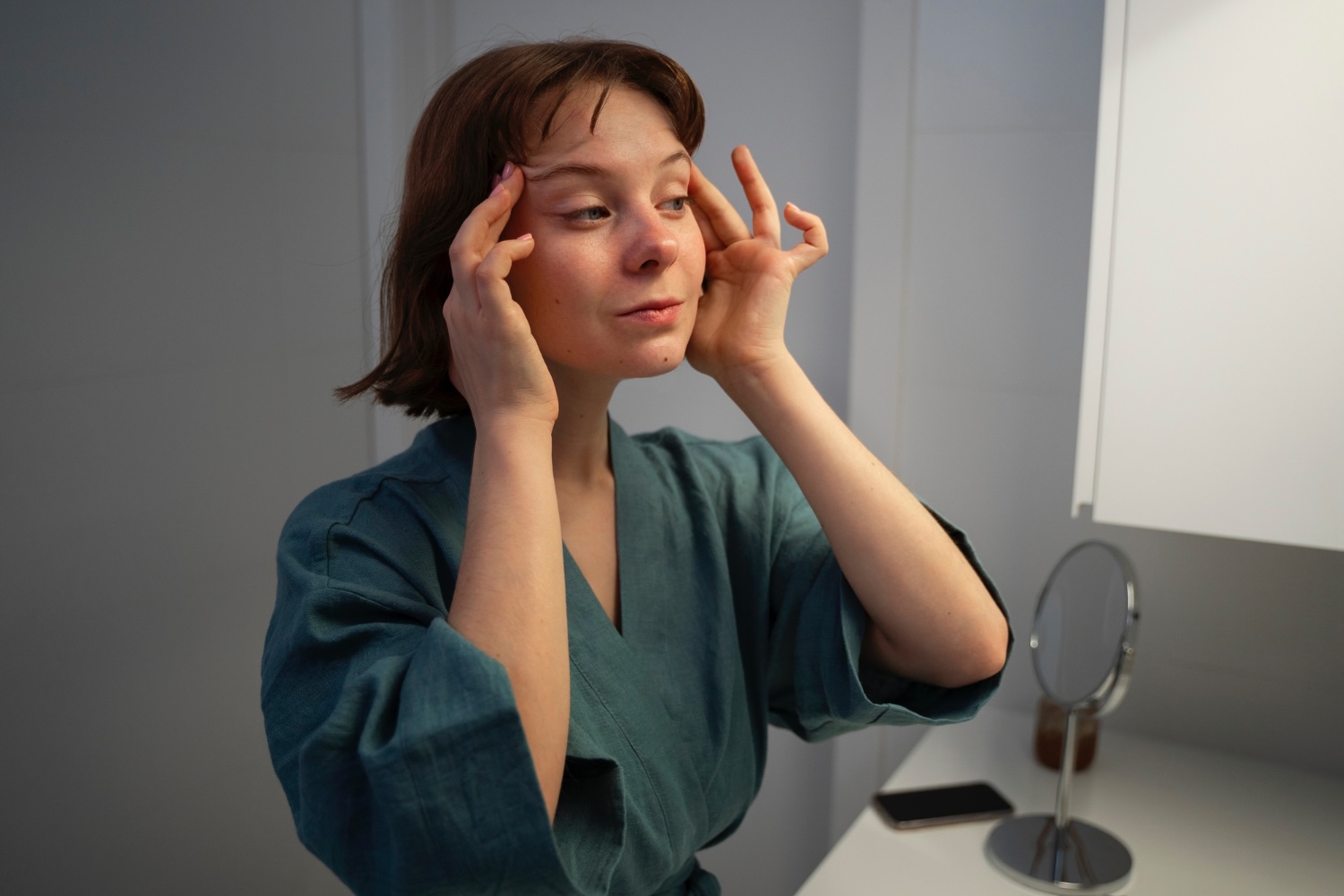
Effective Migraine Treatment in Zurich
Migraines can feel overwhelming. The throbbing pain, nausea, and sensitivity to light or sound can make even simple tasks impossible. At PhysioWelt in Zurich, we understand how debilitating this condition can be.
That is why our physiotherapists focus on more than just short-term relief. Through Manual Therapy and customized exercises, we work to reduce the frequency and intensity of your migraine attacks so you can return to your life with more ease and confidence.

What is Migraine?
Migraine is a complex neurological disorder that can significantly impact daily life. However, many migraine attacks have identifiable physical triggers that can be recognized and treated. Understanding these triggers is key to reducing both the frequency and severity of your episodes.
Common Migraine Triggers
Attacks can be set off by a variety of factors that differ from person to person. Our team can help you identify your specific triggers, which may include:
- Musculoskeletal Issues: Many migraine sufferers also experience tight neck muscles or restricted movement in the upper spine (cervical spine). These issues can intensify symptoms, especially if the migraine is combined with tension-type headaches.
- Stress: Emotional and physical stress can lead to increased muscle tension, sensitizing the nerve pathways involved in migraines.
- Hormonal Changes: Fluctuations in estrogen levels, particularly during the menstrual cycle, are a common trigger for many patients.
- Sensory Stimuli: Bright lights, loud noises, and strong smells can trigger attacks in sensitive individuals.
- Sleep Patterns: Both sleep deprivation and oversleeping can act as migraine triggers.
Our Treatment Approach
"What helps with migraines?" is a common question. While medication is often the primary medical treatment, physiotherapy—specifically for neck tension and posture—can provide significant additional relief.
Our evidence-based approach includes:
Manual Therapy
We use gentle, hands-on techniques to relieve tension in your neck, shoulders, and upper back—areas that often contribute to migraine pain. Many patients feel lighter and more relaxed after just a few sessions, experiencing fewer and less intense attacks over time.
Postural Correction
We assess your posture and help you make simple adjustments to relieve pressure on your neck and spine. Through targeted guidance, you will feel better supported throughout the day, reducing the strain that can worsen headache symptoms.
Strengthening & Flexibility Exercises
We create a personalized exercise plan to strengthen your deep neck and upper back muscles. These movements are gentle but powerful, helping your body maintain alignment with less effort and lowering the likelihood of recurring headaches.
Relaxation Techniques
We guide you through simple, calming techniques such as focused breathing and progressive relaxation. These tools help you manage stress more effectively, reduce muscle tension, and feel more in control when a migraine threatens to start.
Frequently Asked Questions (FAQ)
We have answered some common questions our patients ask about migraines and how physiotherapy can help:
1. What can I do for immediate migraine relief?
During an acute attack, resting in a dark, quiet room can help manage sensory overload. Applying a cold compress to the forehead or neck may also provide temporary relief. While physiotherapy focuses on long-term prevention, addressing neck tension with professional guidance can help reduce the frequency of future attacks.
2. How do I know if my headache is a migraine?
A migraine is typically a severe, throbbing pain on one side of the head, often accompanied by nausea and sensitivity to light or sound. A tension headache usually feels like a dull, pressing band of pain on both sides of the head. If you are unsure, our Zurich team can collaborate with your doctor to assess if muscle tension or posture is contributing to your pain.
3. How many physiotherapy sessions will I need?
The number of sessions at PhysioWelt varies based on your medical history and how your symptoms respond to treatment. After a thorough assessment, your physiotherapist will recommend a personalized plan. While some patients see improvements quickly, managing migraines is often a long-term process involving lifestyle adjustments.
4. Can physiotherapy help with other types of headaches?
Yes. Physiotherapy is highly effective for headaches where neck tension, posture, or jaw movement are factors. This includes Tension-Type Headaches and Cervicogenic Headaches (pain originating from the neck). If musculoskeletal issues are contributing to your pain, we will develop a plan based on the latest clinical guidelines.
Ready to Take the First Step Toward a Healthier You?
Don’t let pain limit you any longer! Book an appointment at our physiotherapy clinic in Zurich (Schlieren) by phone or through our online booking system.