
Professional Relief for Neck Pain & Stiffness
A stiff, aching neck can impact your entire life.
Our targeted physiotherapy offers long-lasting relief by diagnosing and treating the root cause of your discomfort.

Neck Pain: Causes, Symptoms, and Treatment
Neck pain can range from a dull ache to sharp, limiting tension. At PhysioWelt in Schlieren, Zurich, we understand how it can throw off your whole day and leave you feeling off. Our physiotherapists work to find the root cause and create a focused plan to ease your pain and help you move freely again.

Understanding Your Neck Pain
The neck is a flexible yet delicate part of your spine, made up of a complex structure of bones, blood vessels, nerves, muscles, and many other connective tissues. Because it supports your head and allows for a wide range of motion, it’s especially prone to tension and injury. At Physio Welt, we start with a clear diagnosis, so we can treat the real cause of your neck pain from the very beginning.
Common Causes of Neck Pain
- Muscle tension: Muscle tension is the most common cause of neck pain. It often happens from doing intense exercises or staying in one position for too long, such as working at a desk.
- Acute torticollis (wry neck): Acute torticollis often affects older children and young adults after sleeping in an unusual position without proper support, poor posture from working long hours at a computer desk, carrying heavy loads, or sudden neck movements. It usually causes sudden neck pain, muscle spasms, and limited movement, with the head tilted to one side in a twisted position.
- Cervical radiculopathy (pinched nerve): Cervical radiculopathy occurs when a nerve root in the neck becomes compressed or irritated, most commonly due to a herniated disc, bone spur, or trauma such as a fall or car accident. This can lead to sharp pain, numbness, tingling, or muscle weakness that starts in the neck and radiates into the shoulder, arm, or hand.
- Cervicogenic headache (neck-related headaches): Cervicogenic headaches are caused by dysfunction in the joints, muscles, or soft tissues of the neck. These neck-related headaches can often be relieved through targeted physiotherapy or manual treatment that addresses the root cause in the cervical spine.
- Whiplash injuries: A common injury resulting from sudden acceleration-deceleration forces, such as in a car accident, leading to a wide range of symptoms, including neck pain and stiffness.
Our Approach to Treating Neck Pain
Your recovery at PhysioWelt starts with a detailed assessment, followed by a treatment plan tailored to your specific neck issue. Every step is based on proven methods to reduce pain and improve function.
1. Manual therapy
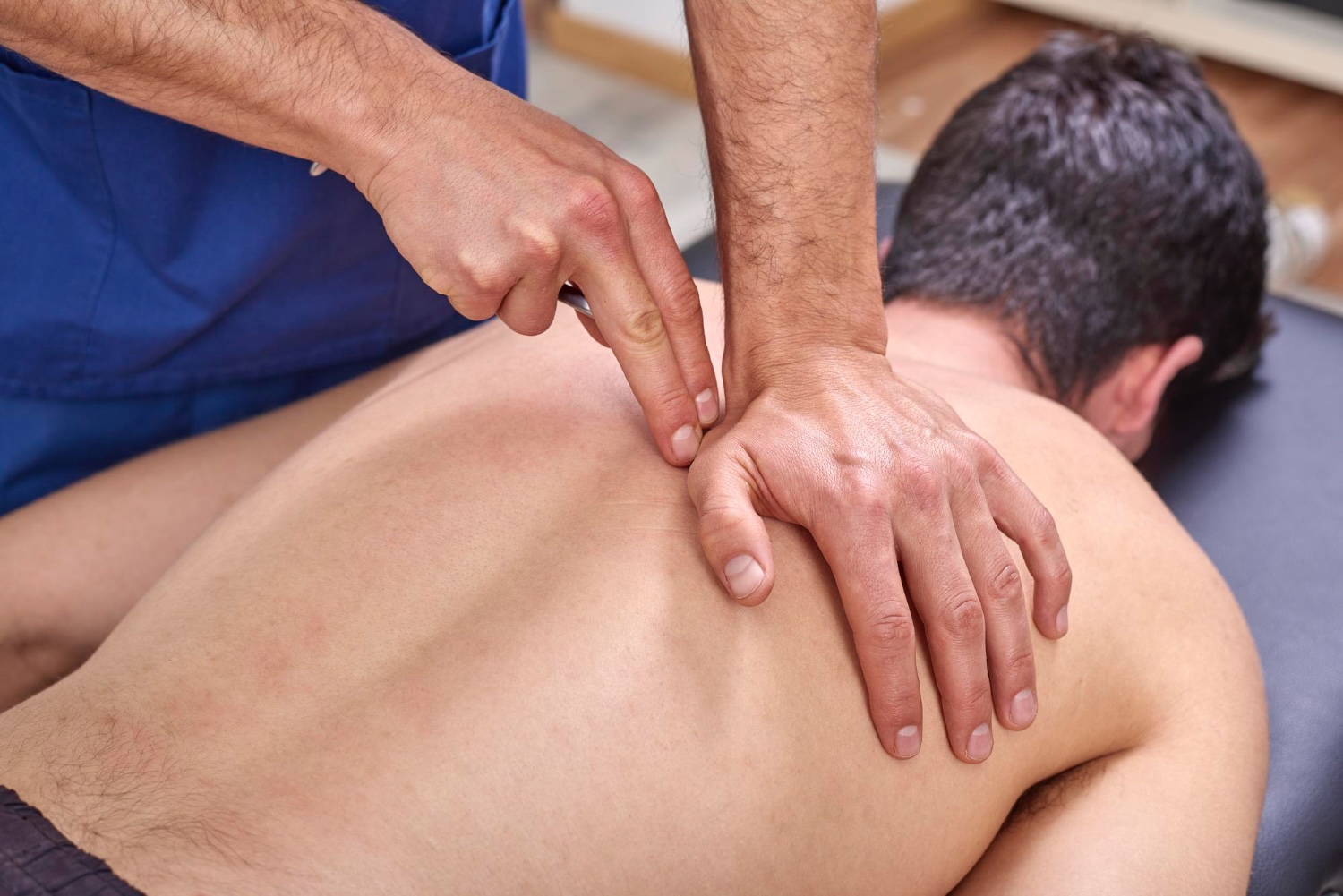
We use hands-on techniques to restore movement in stiff neck joints and release muscle tension. This includes gentle joint mobilizations and soft tissue work to ease trigger points. Combined with exercise, this approach is highly effective for neck pain.
2. Therapeutic exercise
We guide you through targeted stretching and strengthening exercises. These help improve flexibility and build support in the deep neck muscles, which are key for long-term relief and spinal stability.
3. Posture and ergonomic education
We help you identify and modify the daily habits and workplace setups that contribute to your pain. Small adjustments can make a big difference in preventing future problems.
4. Supportive treatments
When needed, we may use taping techniques to support the neck, ease discomfort, and help you move better during recovery.
Reviewed by

Reviewed by Femke Hoekstra, Physiotherapist BSc.
Areas of focus: orthopedic physiotherapy and post-operative rehabilitation. More about Femke and the whole team on the Team page.
Last reviewed: July 2026.
Frequently Asked Questions (FAQ)
We've answered some common questions to provide clarity and help you on your recovery journey.
1. What helps with neck pain for quick relief?
For mild neck pain or stiffness, gentle heat combined with slow, pain-free movement can help reduce tension. Light mobility exercises often work better than complete rest, as movement helps restore circulation and joint function.
If the pain is severe, recurring, or not improving, a physiotherapy assessment is recommended to address the cause and guide safe recovery.
2. How do I know if I have a pinched nerve in my neck?
A pinched nerve usually causes more than just localized neck pain. If you experience pain, tingling, numbness, or weakness radiating into your shoulder, arm, or hand, a nerve may be affected. A physiotherapist can perform specific clinical tests to identify the source of the compression and confirm the diagnosis.
3. Why did I wake up with such a stiff neck?
Waking up with a stiff or painful neck is often due to an awkward sleeping position. This can strain a muscle or joint, leading to a condition known as acute torticollis. While it can be very painful, physiotherapy usually provides rapid relief. A combination of manual therapy and active movement supports the quick restoration of normal mobility.
4. How can physiotherapy help release severe neck tension?
Physiotherapy is very effective for tense, painful neck muscles. We use manual treatments such as deep tissue massage, trigger point therapy, and gentle joint mobilization to reduce tension. You will also learn simple exercises to prevent the pain from recurring. Both manual and active therapy play a central role: Targeted strengthening and stretching exercises improve your posture and help prevent future problems.
5. Why should I choose PhysioWelt for physiotherapy in Zurich?
At PhysioWelt, we focus on understanding the underlying cause of your neck pain and creating a treatment plan that fits your daily life. Our approach combines targeted hands-on therapy with active rehabilitation and movement-based strategies.
You receive clear guidance, individualized exercises, and practical tools to help you recover and stay active long term.
Still have questions?
Contact us directly if there is anything else you would like to know.
Weiterführende Inhalte
Ready to Take the First Step Toward a Healthier You?
Don’t let pain limit you any longer! Book an appointment at our physiotherapy clinic in Zurich (Schlieren) by phone or through our online booking system.