Acute Lower Back Pain (Lumbago): Symptoms, Causes, and Treatment
Understand lumbago, correctly diagnose acute back pain, and quickly relieve symptoms with targeted physical therapy.

One wrong movement, a sudden twist, or even getting out of bed can trigger sharp pain in the lower back. Acute lower back pain, commonly referred to as lumbago, often strikes without warning and can severely restrict mobility within seconds.
The reassuring part is that, in most cases, acute low back pain is benign and nonspecific, commonly caused by muscle strain or irritation of surrounding soft tissues rather than a serious structural problem.
Most patients improve with conservative treatment, as well as physiotherapy, which can help relieve symptoms and reduce the risk of recurrence.
What Is Lumbago?
Lumbago refers to a sudden episode of acute lower back pain. It typically affects the lumbar spine and often occurs without warning, for example, after an awkward movement or unexpected strain.
Despite the intensity of the pain, most cases of acute low back pain have no clear underlying cause, meaning no specific structural problem, such as a herniated disc, can be identified. The symptoms are often linked to irritation or strain of the muscles, joints, and surrounding soft tissues in the lower back.
Increased muscle tension or spasm may occur and can restrict movement. Although uncomfortable, this is usually temporary.
For most people, acute low back pain improves with conservative treatment, which includes staying active, appropriate exercise, and physiotherapy. With the right physiotherapy approach, recovery can be faster and the risk of recurrence reduced.
For a broader overview of back-related conditions and treatment options, you can also read our article on physiotherapy for back pain in Zurich.
Symptoms and Warning Signs
Lumbago primarily affects the lumbar spine, with symptoms usually beginning abruptly and can significantly impact daily activities.
Typical Signs of Acute Lumbago
An acute episode of lumbago often presents with the following symptoms:
- Sudden, sharp, or stabbing pain in the lower back
- Pronounced restriction of movement
- Local tenderness in the lower back
- Noticeable muscle tension in the lower back
Many people also report a sensation of stiffness or “blocking” in the lower back that makes even small movements uncomfortable.
Lumbago or a Herniated Disc?
Not every episode of back pain is a herniated disc. It is important to distinguish lumbago from more serious conditions that may involve nerve irritation.
Lumbago typically remains localized in the lower back. However, the following warning signs may indicate nerve involvement, such as in the case of a herniated disc:
- Sciatic pain radiating into the leg
- Numbness or tingling in the leg or foot
- Loss of strength in the leg or foot
- Progressive weakness or loss of muscle strength
If these symptoms occur, a medical evaluation should be carried out promptly. In severe cases, immediate medical attention is recommended.
Causes of Lumbago
Acute low back pain often develops after physical overload or overexertion. Common triggers include awkward movements, lifting heavy objects, or sudden twisting motions.
In many cases, however, no single clear cause can be identified. Several factors may play a role, including poor posture, physical inactivity, and psychological stress.
Weakness or poor coordination of the core muscles may also place extra strain on the lower back. Regular exercise and strengthening of the back and abdominal muscles can help lower the risk of recurring episodes.
Treatment with Physiotherapy
Physiotherapy plays an important role in the conservative treatment of acute low back pain. The aim is to reduce pain, restore mobility, and support a safe return to normal daily activities.
Manual Therapy
Manual therapy techniques may be used to mobilize joints of the lumbar spine and surrounding soft tissues. These hands-on techniques may help improve spinal mobility and reduce muscle tension.
Some patients experience symptom relief after manual therapy, particularly when it is combined with targeted exercises and movement training.
You can learn more about this approach in our manual therapy section.
Dry Needling and Trigger Point Therapy
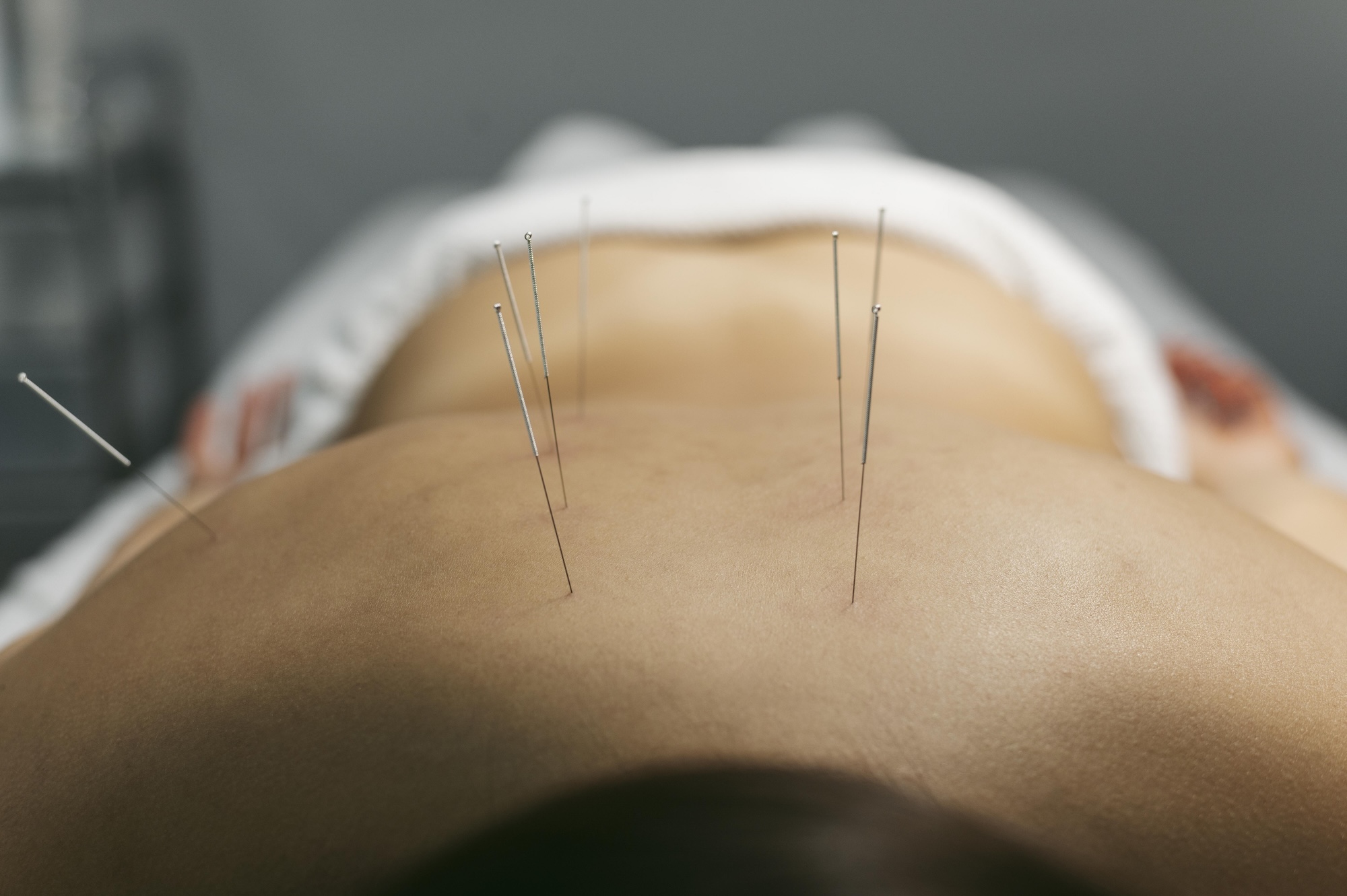
In cases of pronounced muscle tension or myofascial pain, techniques such as dry needling and trigger point therapy may be used. These approaches target sensitive areas within the muscle known as trigger points.
By stimulating these points, the techniques aim to reduce muscle tension and relieve pain. Some patients experience improved mobility and symptom relief, particularly when these methods are combined with physiotherapy exercises.
Further information is available in our dry needling and trigger point therapy section.
Active Mobilization
In the past, strict bed rest was often recommended for acute back pain. Today, evidence shows that maintaining gentle movement and normal daily activities supports recovery. Guided mobilization exercises can help restore mobility of the spine and reduce stiffness.
Supportive measures such as resting positions that reduce strain on the lower back and the application of superficial heat may also help relieve pain and reduce muscle tension.
Long-Term Stability: Keeping Your Back Strong
Once the acute pain has subsided, therapy focuses on preventing recurrence and improving long-term function of the lower back.
Medical Training Therapy (MTT)
Medical Training Therapy uses targeted exercises to strengthen the trunk muscles. In a controlled and progressive training program, the muscles that stabilize the spine are strengthened. Improved muscular support can enhance spinal stability and may help reduce the risk of future back pain episodes.
You can learn more in our Medical Training Therapy (MTT) section.

Ergonomics & Everyday Life
Everyday habits play an important role in long-term back health. Back-friendly lifting techniques, ergonomic workstations, and regular movement breaks can help reduce strain on the lumbar spine. Physiotherapy provides practical strategies that can be easily integrated into daily life.
Conclusion: Targeted Treatment for Fast Recovery
Lumbago can be painful and restrictive, but in most cases, it is very treatable. Physiotherapy can support recovery and help reduce the risk of recurrent back pain. At PhysioWelt in Zurich, Schlieren, and the Limmattal region, you receive individualized care that combines acute relief with long-term prevention.
If you would like to regain your mobility quickly, you can schedule an appointment at any time!
Frequently Asked Questions (FAQ)
How long does lumbago usually last?
With appropriate movement and physiotherapy, many patients notice improvement within several days, although full recovery may take a few weeks. Symptoms often improve within a few days, but complete recovery may take several weeks.
Is heat or cold better for lumbago?
In most cases, heat is often helpful for relieving muscle tension and pain. It promotes blood circulation and helps tense muscles relax. Cold applications are usually less helpful for muscular lumbago and may increase muscle tension in some cases.
Can I go for a walk despite the pain?
Yes. Gentle movement, such as short walks, is recommended. It prevents further muscle stiffness and supports natural recovery by promoting mobility in the lumbar spine.
Can lumbago resolve on its own?
The acute muscle spasm may improve on its own. However, without proper guidance, there is a higher risk of recurring episodes or compensatory postures that can lead to discomfort in other areas, such as the neck or hips.
Should I stay in bed if I have lumbago?
No. Strict bed rest is no longer recommended. Even if movement feels uncomfortable, gentle activity should begin as soon as possible to prevent further stiffness. Prolonged inactivity weakens the back muscles and can delay recovery.
More Articles On This Topic


Ready for the First Step Toward a Healthier You?
Don’t let pain limit you any longer! Book an appointment at our physiotherapy clinic in Zurich (Schlieren) by phone or through our online booking system.