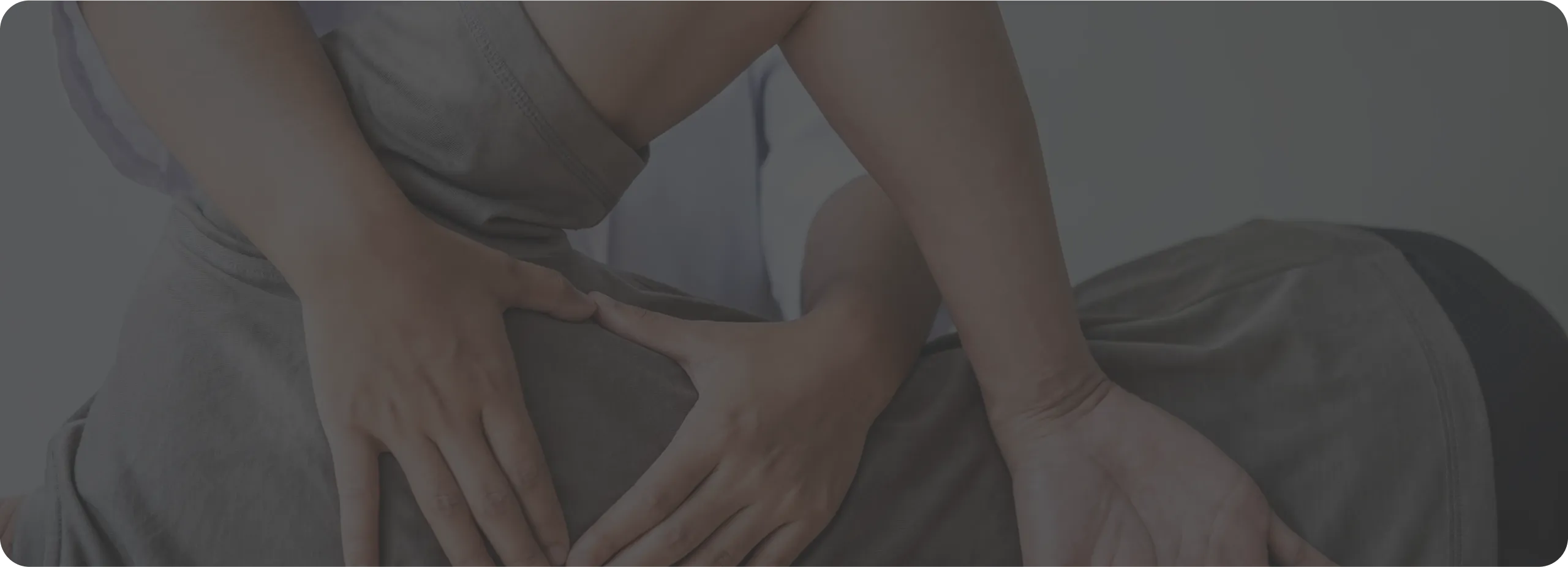
Sports Injuries in Older Adults: How Physiotherapy Supports Recovery
Sports injuries in older adults require targeted rehabilitation: causes, typical injuries, and effective physiotherapy explained.

Exercise remains important for health and independence at every age. As the body changes with age, muscles, tendons, and joints can take longer to recover, and even minor overexertion can lead to pain or injury. That is why load management matters more as we get older.
Sports injuries in older adults often develop gradually through everyday activities like hiking, cycling, or fitness training, though falls are also a common cause. Prolonged rest is rarely the best solution. After a serious injury has been ruled out, rehabilitation focuses on a safe, gradual return to movement.
Common Sports Injuries in Older Adults
As we age, injury patterns shift. Degenerative changes in tendons, joints, and cartilage become more common, while reduced muscle mass, slower reaction times, and joint instability affect how the body handles load. This does not mean avoiding physical activity. It means problems need to be assessed carefully and treated appropriately.
Myofascial Injuries and Tendon Problems
Strains, muscle tension, and persistent tendon problems are among the most common reasons older adults seek physiotherapy. Frequently affected areas include the calf, Achilles tendon, shoulder, and rotator cuff. These issues often develop from unaccustomed activity, rapid increases in training load, or age-related changes in tissue capacity, which may reduce tolerance to stress.

Tendon problems in older adults tend to develop gradually. Pain may start only during exercise but can progress to everyday movements over time. In physiotherapy, distinguishing between acute irritation, recent overload, and different stages of tendon adaptation is important because it guides load management and when to introduce progressive strength training.
Bone Fractures and Joint Injuries After Falls
Falls affect older adults differently than younger people. Reduced bone density (often due to osteoporosis), slower protective reactions, and impaired coordination all increase the risk of injury. Common injuries include wrist and shoulder fractures, hip fractures, and joint sprains that can occur even after a seemingly minor fall.
Urgent medical assessment is important after a fall if there is severe pain, visible deformity, inability to bear weight, a head impact, dizziness, new confusion, numbness, or use of blood-thinning medication.
Beyond treating the injury itself, rehabilitation also addresses how confidently someone can walk, stand up, and manage daily life again. After a fall, rebuilding trust in your own movement is often just as important as the physical recovery.
Causes and Risk Factors
Recovery tends to take longer in older adults. Muscles, tendons, ligaments, and bones continue to heal, but the process is slower, and muscle mass decreases without targeted activity to maintain it. This can affect joint stability and overall resilience.
Degenerative changes also play a role, although they are not inherently problematic on their own. A shoulder tendon with pre-existing changes may be more sensitive to overhead load, and a knee with osteoarthritic changes may respond differently to sudden stress. Balance, reaction time, and proprioception also shift with age, increasing the risk of missteps and compensatory movement patterns.
Age alone is not the issue. What matters is how the load is managed and what the individual's physical starting point looks like. Good therapy looks at the whole picture, not just the injury.
The Role of Physiotherapy in the Acute Phase and Rehabilitation
After an injury, a medical assessment may be needed first, particularly if there is significant swelling, severe pain, loss of strength, suspected fracture, or difficulty bearing weight. Once serious injury has been ruled out, rehabilitation can begin. In physiotherapy for seniors, the focus is on identifying what can safely be loaded, what needs temporary protection, and how movement can be rebuilt step by step.
Assessment and Diagnosis
The process starts with a thorough clinical assessment. How did the injury happen? Which movements are painful? Are there signs of instability, strength loss, or compensatory patterns? Understanding how the injury affects gait, balance, and daily function is just as important as examining the injured area itself.
This assessment shapes the treatment plan. An ankle injury, for example, often leads to compensatory strain on the hip and back. Picking that up early helps prevent an acute problem from becoming a chronic one.
Individual Rehabilitation Plans
Controlled loading is a core principle of rehabilitation. Tissue needs a stimulus to adapt and recover. Too much load too soon can aggravate symptoms, while too little leads to stiffness, weakness, and slower recovery. The aim is a gradual, well-managed increase that the body can keep up with.

In practice, this means pain is monitored, exercises are adjusted as things progress, and the plan is built around what the person actually wants to get back to. Some want to hike again, others want to manage stairs, or stay independent at home. Rehabilitation works best when those goals are part of the plan from the start.
Treatment Methods
Treatment at PhysioWelt combines manual therapy with active rehabilitation. Manual therapy helps where mobility is restricted or pain is limiting movement, but it works as a starting point for training, not a replacement for it.
Strength training is a central part of recovery for older adults. Through medical training therapy (MTT), we address muscle loss, joint instability, and movement control in a structured, progressive way. Balance training runs alongside this, improving proprioception and protective reactions to reduce the risk of further falls.
Depending on the situation, treatment may also include gait training, mobility work, and exercises tailored to daily life. The goal is a safe, confident return to activity.
Your Recovery Starts Here
Sports injuries in older adults are treatable, but they need a considered approach. Prolonged inactivity tends to make things worse, leading to further strength loss, stiffness, and reduced confidence in movement. Early, structured rehabilitation that accounts for tissue healing, daily function, and individual goals gives the best conditions for a lasting recovery.
If you have a complaint following sport, training, or a fall, the team at PhysioWelt in Zurich is here to help. Book your appointment online, and we will take it from there.
Frequently Asked Questions
What are the most common sports injuries in older adults?
Common injuries include sprains, tendon problems around the shoulder or Achilles tendon, and fractures following falls. Wrist and hip fractures, as well as soft tissue injuries and bruising, are also frequent. A thorough assessment looks beyond the injury itself and also considers strength, balance, and movement patterns, which all influence recovery and risk of recurrence.
When should I start physiotherapy after an injury?
Early rehabilitation is usually recommended once a serious injury has been ruled out. Starting early helps prevent stiffness, compensatory movement patterns, and loss of strength. In some cases, gentle and protected movement begins even earlier under clinical supervision.
The exact timing depends on the nature of the injury, including whether it involves a fracture, surgery, or soft tissue damage.
Does physiotherapy help with chronic pain from old injuries?
Often yes. Function can continue to improve months or even years after an injury. Persistent symptoms are often related to a combination of factors, including movement patterns, strength deficits, reduced mobility, and changes in pain processing within the nervous system, rather than the original tissue damage alone.
Targeted exercise therapy, supported by manual therapy when appropriate, can play an important role in improving function and reducing symptoms in these cases.
Which exercises help with fall prevention?
Exercises targeting leg strength, core stability, and balance tend to be most effective. Single-leg exercises, gait training, and training on uneven surfaces are all useful. What matters most is that the exercises match the person's current fitness level and are gradually progressed over time.
Does recovery take longer in older adults?
Recovery can take a little longer in older adults, since tissues heal more slowly and factors like osteoporosis or pre-existing conditions may play a role. But this does not mean outcomes are poor. With good load management and consistent rehabilitation, a safe return to activity is very achievable.
Does health insurance cover physiotherapy after an injury?
Physiotherapy is often covered by health insurance when it is medically necessary and prescribed by a doctor, although the exact conditions vary depending on your country and insurance system.
Coverage for additional services such as medical training therapy may depend on the prescription and individual insurance policy. A short consultation before starting treatment can help clarify what is included in your specific case.
More Articles On This Topic

Ready for the First Step Toward a Healthier You?
Don’t let pain limit you any longer! Book an appointment at our physiotherapy clinic in Zurich (Schlieren) by phone or through our online booking system.