Typical Complaints in Physiotherapy and Their Treatment
What conditions physical therapy can treat and how targeted therapy can help with pain and limited mobility.

Pain and restricted movement can present in many different ways. Some complaints appear suddenly, while others develop gradually over months or even years. In physiotherapy, the focus is on carefully assessing symptoms, identifying possible underlying causes, and providing individualized, condition-specific treatment.
This overview is intended to provide orientation and to show how physiotherapy treatment can be tailored to different types of complaints.
Back and Neck Pain
Back and neck pain are highly prevalent conditions and among the most common musculoskeletal complaints. Factors such as prolonged sitting, repetitive strain, poor ergonomics, and low levels of physical activity are recognized risk factors for nonspecific back and neck pain. Acute episodes of low back pain are also common.
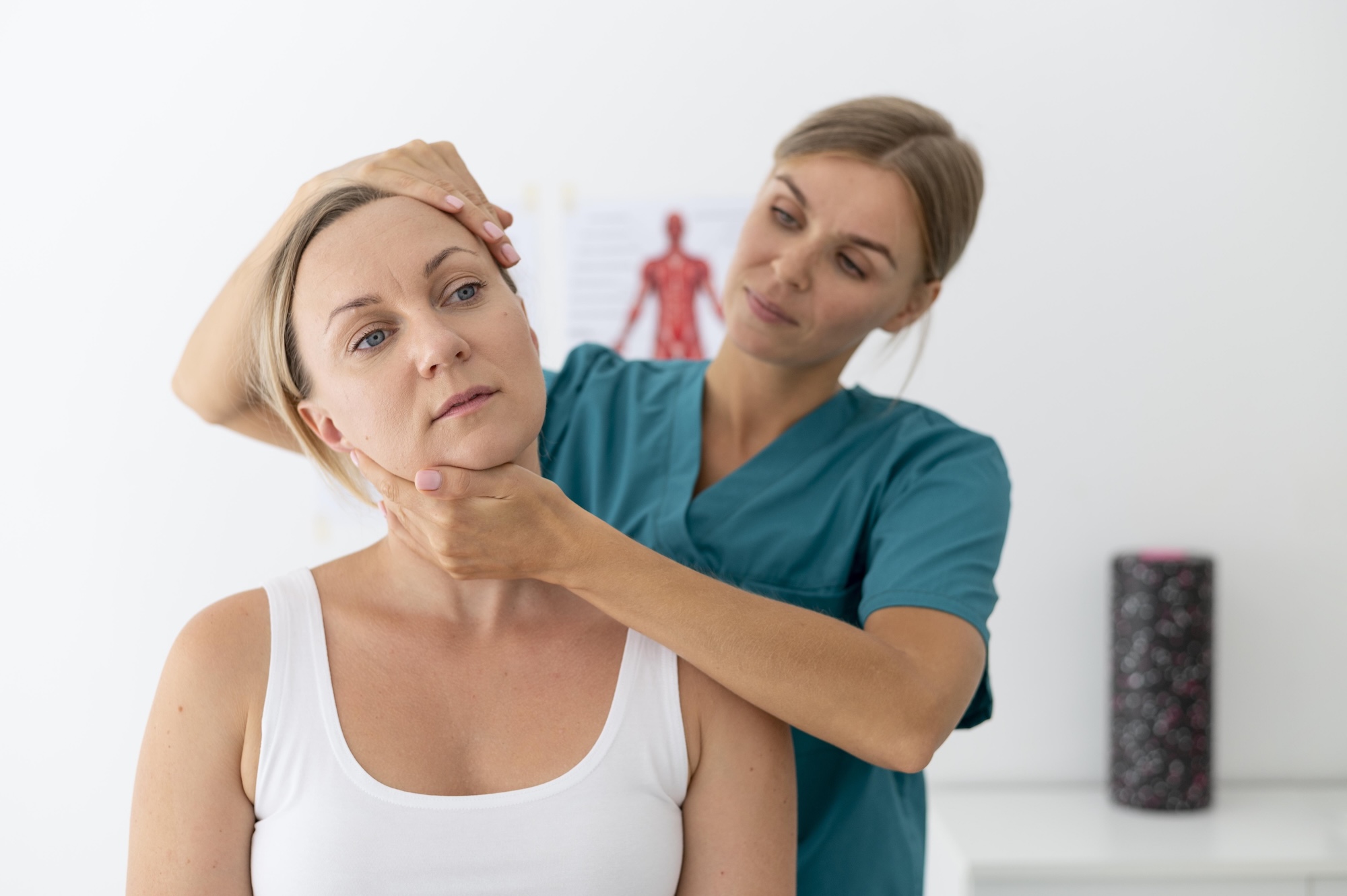
Management typically focuses on structured clinical assessment, patient education, maintaining activity, and conservative treatment strategies such as early mobilization, structured exercise programs, and appropriate pain management. Many cases of acute, nonspecific back pain improve over time with conservative care.
Further information is available on our pages about lower back pain and neck pain, as well as manual therapy.
Tension Relief and Posture Correction
Modern office work often involves long periods of sitting, repetitive tasks, and extended screen time. These factors are known risk factors for neck and back complaints. Poor ergonomics and limited movement can contribute to muscle discomfort and mechanical strain.
Physiotherapy focuses on careful assessment and conservative treatment strategies. These may include targeted exercises, stretching and strengthening programs, ergonomic adjustments, and guidance on avoiding positions that worsen symptoms.
The aim is to reduce discomfort, improve mobility, and address modifiable risk factors to help lower the chance of recurring problems.
Acute Conditions
Acute pain differs from chronic pain in both duration and function. It typically has a sudden onset, lasts for a limited period of time, and serves as a warning signal indicating actual or potential tissue damage. In this sense, acute pain has a protective role.
Acute musculoskeletal complaints can be associated with significant discomfort and temporary limitations in movement. Management focuses on a structured clinical assessment and individualized treatment.
This may include appropriate pain management and carefully guided movement strategies aimed at supporting a gradual return to normal function. Therapy is adapted to the individual situation and regularly reassessed to promote safe recovery.
Joint Pain and Rehabilitation After Injuries
Joint problems commonly affect the knee, hip, ankle, or shoulder. Causes may include overuse, degenerative changes, or conditions such as impingement syndromes. Injuries and, in some cases, surgical procedures may also require structured rehabilitation.
Physiotherapy plays an important role in conservative management and postoperative care. Through structured exercise programs, graded weight-bearing when appropriate, and regular reassessment, the aim is to support the gradual restoration of mobility, strength, and overall function.
Further information is available on our pages about ankle problems and shoulder pain.
Postoperative Care: Returning to Mobility After Surgery
Recovery after surgery requires patience and a structured approach. Postoperative management focuses on supporting the patient’s return to baseline health, including early mobilization, appropriate pain control, and prevention of complications.

Physiotherapy can be part of orthopedic and postoperative rehabilitation. It supports the gradual restoration of mobility and function and may include graded weightbearing, structured exercise programs, and regular reassessment to promote safe progression.
Depending on the condition and clinical indication, additional rehabilitation techniques such as manual lymphatic drainage may be incorporated. More information on our structured approach can be found in the sections on pre- and postoperative care as well as lymph drainage.
Sports Injuries: Tendons, Ligaments, and Overuse Syndromes
Sports injuries often affect tendons, ligaments, muscles, and joints. They can result from sudden trauma or from repeated mechanical stress over time. Overuse injuries are also common, especially when training load increases too quickly or recovery is insufficient.
Modern rehabilitation involves more than rest alone. Current management combines protection of injured tissue with gradual, guided loading and progressive return to activity.
Sport-specific training helps restore mobility, strength, and coordination. Sports physiotherapy supports athletes in safely returning to their previous performance level while reducing the risk of further injuries.
When Dizziness, Migraines, or Nerve Pain Become a Burden
Not all complaints directly involve muscles or joints. Dizziness, migraines, and nerve-related pain can significantly limit daily life. In these cases, physiotherapy, such as vestibular rehabilitation, may be incorporated as part of a multidisciplinary treatment approach.
Disorientation and Insecurity: Dizziness and Balance Problems
Dizziness and vertigo are often associated with imbalance and gait instability. These symptoms can interfere with daily activities and increase the risk of falls.
Vestibular rehabilitation therapy, a form of physiotherapy, uses specific balance and movement exercises to promote central vestibular compensation and improve postural stability. This approach aims to reduce symptoms and support safer, more stable movement.
Learn more on our page about dizziness and vertigo therapy.
Migraines and Debilitating Headache Attacks
Migraine is a neurological disorder that can cause recurrent and sometimes disabling headache attacks. In some patients, musculoskeletal factors, such as coexisting neck discomfort, may contribute to overall symptom burden.
In these cases, physiotherapy may be considered as a complementary measure within an interdisciplinary treatment plan. Further information is available on our page about migraine therapy.
The Role of the Patient in Therapy Success
Sustainable therapeutic success is achieved through collaboration. Active patient participation is a central component of every evidence-based treatment approach. Exercises, adjustments to daily routines, and regular movement play an important role in supporting the healing process.
Patience and commitment are just as important as realistic goals. Based on the initial assessment, clear objectives are defined together and implemented throughout the rehabilitation process. Progress is regularly reviewed, and therapy is adjusted as needed to ensure long-term success.
We Will Help You Get Back to Your Best Together
Physiotherapy treatment offers structured support for a wide range of conditions. Through targeted assessment of underlying causes, an individualized therapy plan, and active patient participation, a sustainable path toward improved mobility and quality of life is created.
At PhysioWelt in Schlieren, your concerns and personal goals are our priority. If you would like a professional assessment and individualized treatment plan, you can schedule an appointment at any time!
Frequently Asked Questions (FAQ)
How do I know if my symptoms require physiotherapy?
If pain or other symptoms limit your mobility or daily function, or persist despite self-care, a structured clinical assessment may be helpful to determine whether rehabilitation is indicated.
How sustainable is the treatment at PhysioWelt?
Our approach focuses on identifying and treating the root causes of symptoms. By combining hands-on therapy with guided self-exercises, we aim for long-term improvement rather than short-term symptom relief.
How often should you go to physiotherapy to see results?
The frequency and duration of therapy depend on the condition, its severity, and individual goals. Treatment plans are tailored to the patient’s needs and regularly reassessed to monitor progress.
Can physically active people benefit from physiotherapy?
Yes. Preventive care, structured rehabilitation, and gradual progression of activity can support safe participation in sports. In athletes, management may include strength and conditioning programs, load modification, and return-to-play decisions based on functional recovery and injury risk.
More Articles On This Topic


Ready for the First Step Toward a Healthier You?
Don’t let pain limit you any longer! Book an appointment at our physiotherapy clinic in Zurich (Schlieren) by phone or through our online booking system.