What is Sports Rehabilitation? Your Guide to Returning to Action
From diagnosis to your return to the field. Professional sports rehabilitation helps you systematically rebuild strength, function, and stability.
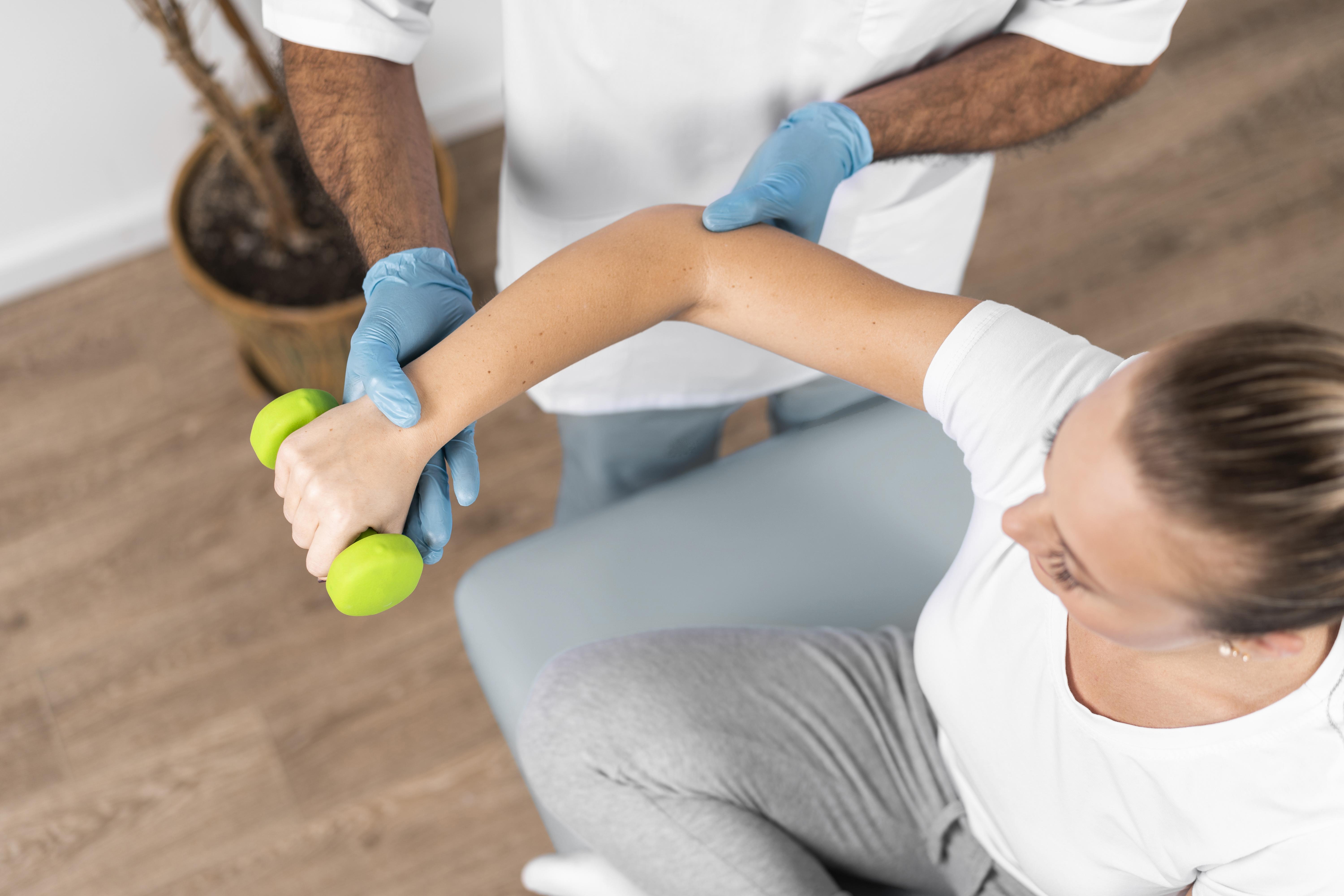
Sports rehabilitation becomes essential when sports injuries, acute trauma, or chronic overuse lead to pain, loss of strength, or restricted mobility.
The road back to your beloved sport is rarely linear. It requires structure, patience, and expert guidance. This is exactly where physiotherapy plays a vital role. It ensures that patients become pain-free and regain their original performance levels safely and sustainably.
Below, we explain how sports rehabilitation is structured, why active therapy is indispensable, and how physiotherapy experts in Schlieren support your recovery process.
What is Sports Rehabilitation?
Sports rehabilitation is a structured, evidence-based process that restores strength, mobility, coordination, and athletic performance after an injury. The aim is not only to heal the injured tissue but to achieve a safe and complete Return to Sport (RTS) with a reduced risk of re-injury.
Sports rehabilitation is guided by specially trained physiotherapists who assess movement patterns, identify imbalances, and design an individualized plan based on both current symptoms and sport-specific demands. Core elements include active therapy, functional and stabilization exercises, and progressive strength training. When needed, these are supported by manual therapy, dry needling, or myofascial techniques to optimize mobility and recovery.
Common Sports Injuries That Require Rehabilitation
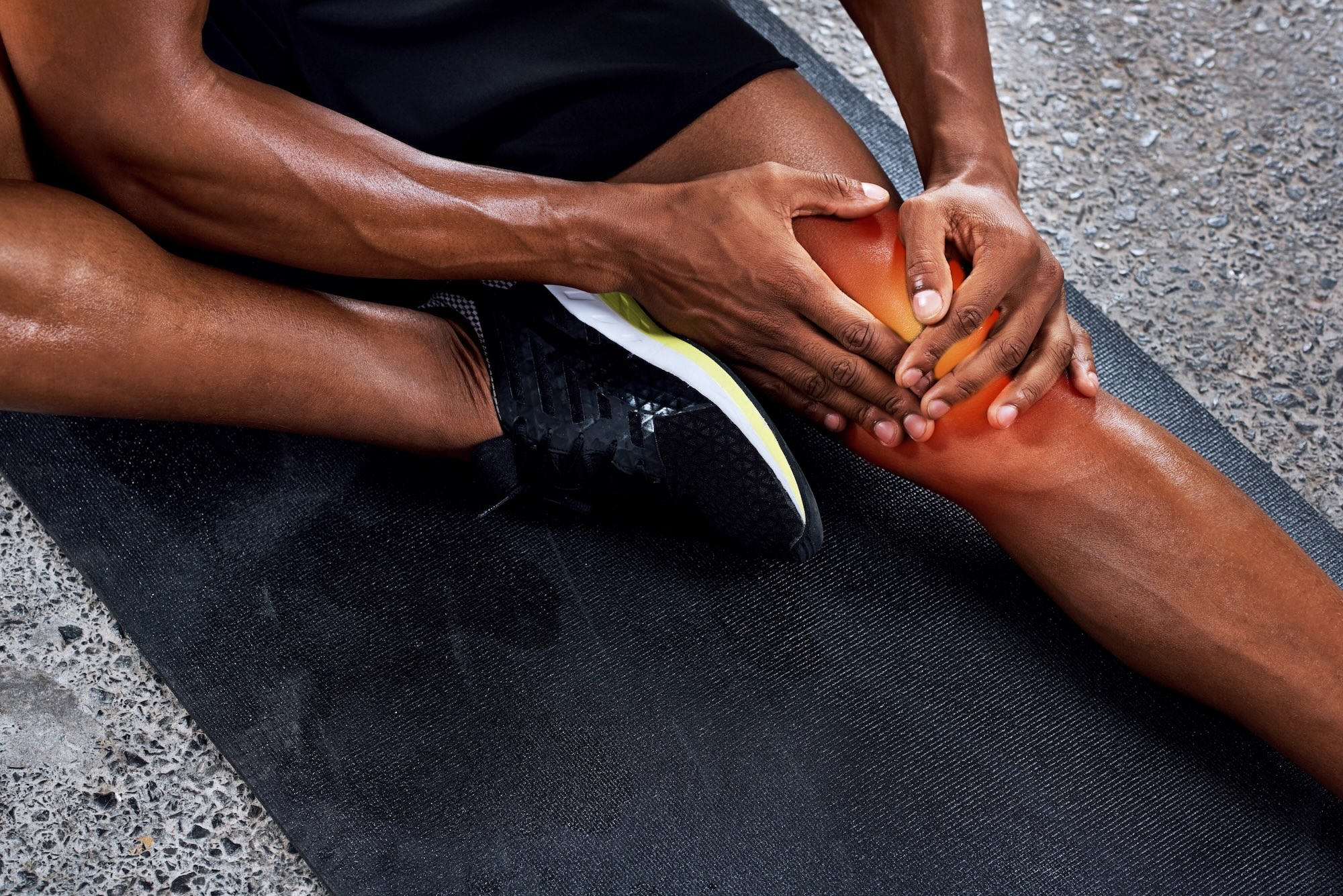
Many injuries do not heal completely if they are simply rested. Therefore, structured rehabilitation is necessary for most sports injuries, such as:
- Ligament injuries (e.g., ACL tears, ankle sprains)
- Fractures (Stress fractures or acute breaks)
- Tendinopathy (e.g., Achilles or patellar tendon issues)
- Muscle strains and tears
- Muscle weakness and resulting imbalances
- Chronic overuse injuries
- Instability following joint injuries
The Sports Rehabilitation Process: From Pain to Performance
Sports rehabilitation follows a clear phased model. Each phase builds on the previous one to ensure the body returns to sport in a controlled and complete manner.
Phase 1: Diagnostics, Assessment, and Individual Treatment Plan
The process begins with a thorough assessment by a physiotherapist to identify the root cause of the symptoms. This involves more than just reviewing medical reports; it focuses on functional testing, movement analysis, and a detailed evaluation of strength, coordination, and mobility.
This information is used to create a personalized, evidence-based rehabilitation plan. It serves as the roadmap that guides all further measures for recovery.
Phase 2: Pain Relief, Manual Therapy, and Initial Activation
In the early stages, restoring mobility and reducing pain are the priorities. Manual therapy plays a central role here, improving tissue circulation and resolving movement restrictions.
In parallel, gentle activation begins: this includes initial mobilization exercises, light strengthening, and controlled movements tailored to the specific phase of healing.
Phase 3: Building Strength and Function (Medical Training Therapy – MTT)
This phase is the core of sports rehabilitation. Medical Training Therapy (MTT) corrects imbalances, builds strength, and restores functional load capacity. Depending on the injury, the focus lies on:
- Core stability
- Hip and knee alignment (lower limb axis control)
- Specific muscle strengthening
- Coordination and reactive balance
MTT is crucial for injury prevention and determines how safely an individual can return to high-impact activities.
Phase 4: Return to Sport and Injury Prevention
In the final phase, the training load is gradually adjusted to meet sport-specific demands. This includes:
- Plyometrics (jumping) and changes of direction
- Load intervals and sport-specific drills
- Final strength and performance testing
This phase determines if the body is truly ready for full competition. Entering too early increases the risk of re-injury; therefore, prevention remains a vital part of ongoing care.
Return to Sport with PhysioWelt Zürich
The combination of precise diagnostics, manual treatment, and targeted strength building makes sports rehabilitation a safe, structured journey. At PhysioWelt Zürich, you benefit from personal care, modern therapy methods, and an evidence-based approach tailored to your individual goals.

Contact our team today for a personal consultation or a customized rehab plan!
Frequently Asked Questions
What is the difference between sports physiotherapy and Sports Rehabilitation?
Sports physiotherapy refers to the specialized methods and techniques used by the therapist. Sports rehabilitation describes the entire structured process that brings an injured person back to their sport step-by-step.
How long does rehabilitation typically take?
This depends on the severity of the injury. Minor overuse issues may resolve within weeks, while complex injuries like ligament ruptures or tendinopathies can take several months. Consistent adherence to the rehab plan is the most important factor.
What role does nutrition play in sports rehabilitation?
A protein-rich, nutrient-dense diet supports the healing process by promoting muscle repair, tissue regeneration, and energy availability.
Is sports rehabilitation only for professional athletes?
No. Every active individual benefits from it. While the specific demands vary, the process remains the same: a safe, gradual restoration of physical resilience.
How soon can I start training again after an injury?
Return to play is guided by biological healing markers and functional milestones, not a fixed calendar date. Once strength, mobility, and stability meet the required standards, safe training can resume.
How can I minimize the risk of sports injuries in the long term?
The best prevention is the sustainable correction of imbalances and weaknesses. Medical Training Therapy (MTT) provides the foundation for long-term injury prevention.
More Articles On This Topic


Ready for the First Step Toward a Healthier You?
Don’t let pain limit you any longer! Book an appointment at our physiotherapy clinic in Zurich (Schlieren) by phone or through our online booking system.