Common Sports Injuries: Causes, Prevention, and Treatment
Identify, prevent, and treat sports injuries effectively with evidence-based physiotherapy and targeted training strategies.
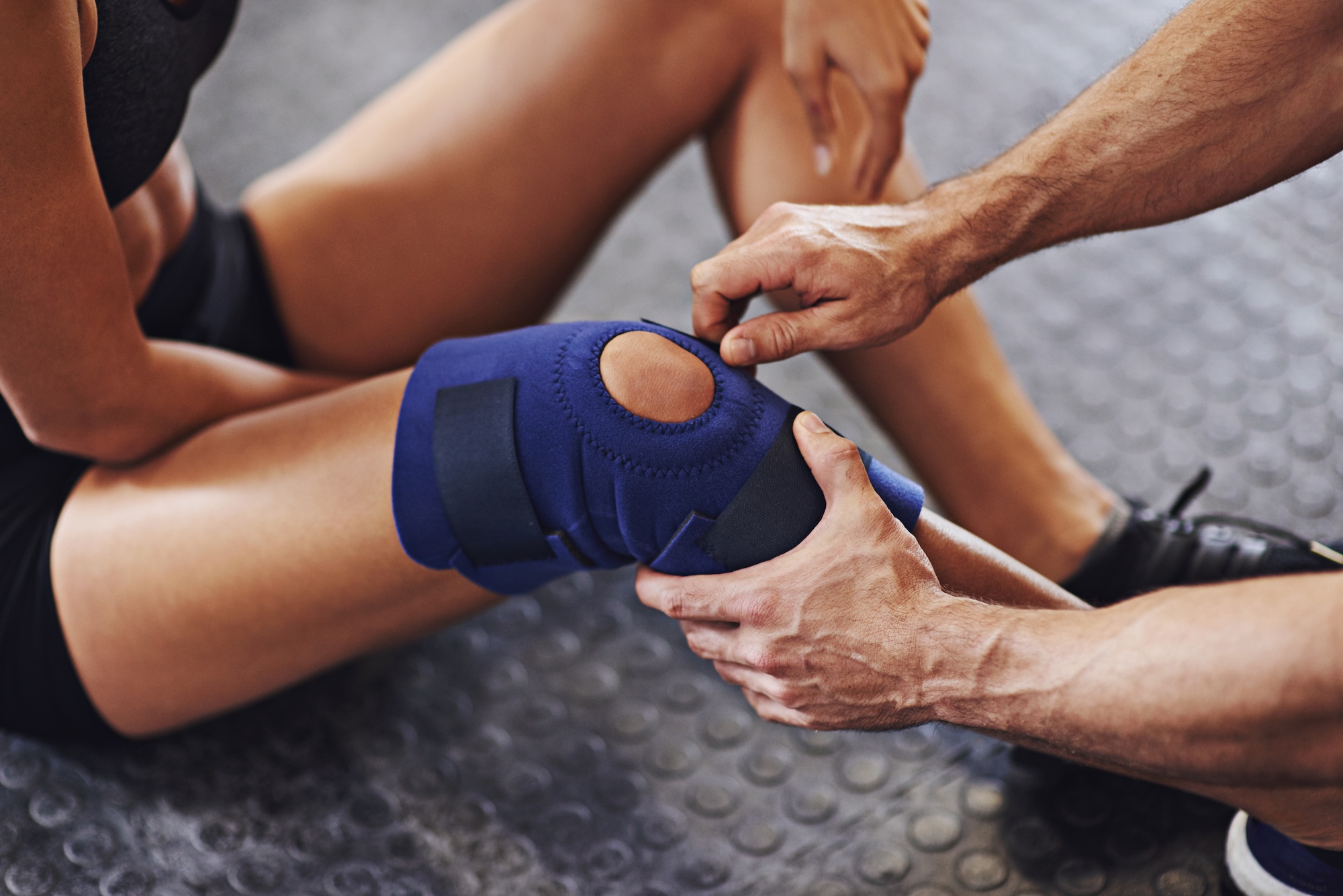
Exercise is essential for health, but every physical activity carries a certain risk, especially when movements are repetitive, unbalanced, or recovery is insufficient. Many sports-related complaints do not result from a single incident but develop gradually.
This is precisely where physiotherapy comes in, identifying causes early, correcting improper strain, and guiding the rehabilitation process back to full strength. Below is an overview of common sports injuries, why they occur, and how targeted physiotherapy helps prevent and treat them effectively.
What Are the Most Common Sports Injuries and Their Causes?
The most frequent sports injuries range from acute trauma to gradual overuse. These include, among others:
Acute Trauma: Sprains, Strains, and Ligament Tears
Acute sports injuries typically occur suddenly, often during a rapid change of direction, an unexpected ankle twist, or direct contact during play. A sprain affects the joint capsule and supporting ligaments, while a strain involves overstretching or tearing of muscle fibers. Ligament tears occur when a joint is forced beyond its normal physiological range, leading to instability and loss of function.
Common causes include:
- Insufficient muscular stabilization of the foot, knee, or hip
- Lack of a proper warm-up
- Fatigue toward the end of a training session or competition
These injuries often present immediately with swelling, pain, and restricted mobility. Without early treatment, a seemingly harmless injury can lead to long-term impairment that permanently affects movement quality.
Overuse Syndromes: Tendinopathy and Fascial Issues
Overuse injuries (tendinopathies) and fascial problems occur when tissue is repeatedly stressed without sufficient recovery time. Initially, you might only feel a "pulling" sensation at the start of exercise; later, pain persists during and after activity.
Typical examples include tennis elbow, golfer's elbow, and Achilles tendinopathy in runners. If ignored, these pains can become chronic, requiring a much more structured and patient rehabilitation plan.
Nerve Irritation and Trigger Points

Poor posture, constant tension, or uneven loading can lead to localized muscle tightness known as trigger points. These sensitive areas may cause referred pain, such as discomfort radiating from the neck into the arm or from the gluteal muscles into the leg. This can subsequently lead to restricted movement and, in the long term, to unfavorable movement patterns.
Targeted manual therapy or dry needling can help in releasing the trigger points, reducing pain, and restoring normal muscle function.
Bone Injuries: Contusions and Fractures
A contusion (bruise) is caused by blunt force, such as a collision or fall. While painful and often accompanied by bruising, the structure usually remains stable.
A fracture, however, is an actual break in the bone structure. Fractures always require medical clearance and often a period of immobilization, followed by targeted rehab to rebuild mobility, strength, and coordination.
The Difference Between Pain and Damage
Pain does not always mean structural damage. Especially with chronic cases, the central nervous system plays a significant role in pain processing.
An injury may have healed, yet the pain remains. An expert assessment at PhysioWelt Zürich helps distinguish between active tissue damage and persistent sensitization.
Preventing Sports Injuries: Active Correction and Proactive Measures
Long-term prevention for sports injuries is built on four core pillars: mobility, strength, technique, and recovery. This includes:
- Structured warm-up programs
- Progressive training loads
- Sufficient sleep and recovery
- Regular checks of movement quality
We have developed sport-specific prevention guidelines for many disciplines. Our articles on ski injuries and snowboard injuries outline practical strategies to reduce risk, while targeted training programs help prevent common running injuries. Prevention is also essential in padel, which we cover in detail in our article on padel injuries.
Long-term Treatment: Evidence-Based Physiotherapy
For long-term healing, you need a plan that goes beyond rest. Evidence-based rehabilitation at PhysioWelt typically includes:
- Targeted pain relief
- Restoration of mobility
- Building strength and stability
- Gradual Return to Sport (RTS)
More information about the phase-based process can be found in our own contribution to sports rehabilitation, which describes how a well-thought-out rehabilitation process is structured from the initial diagnosis to the return to sport.
Manual Therapy and Dry Needling
Manual therapy uses joint mobilizations and soft tissue techniques to resolve restrictions. Dry needling directly targets trigger points in the muscles to release local tension. While these methods are not a substitute for active training, they often create the necessary conditions for pain-free movement, allowing individuals to participate more effectively in strength training programs.

Medical Training Therapy (MTT)
Medical training therapy (MTT) restores strength, coordination, and resilience after an injury. It aims to correct muscular imbalances, stabilize joints, and prepare the body for the demands of the respective sport. Without targeted strength building, weaknesses remain, increasing the risk of re-injury.
Start Your Recovery with PhysioWelt
Anyone who wants to safely return to sports after an injury needs more than just rest and self-exercises. Our structured support for sports physiotherapy in Zürich can help to identify the causes, treat them effectively, and achieve long-term stabilization.
Contact our team today to start your journey back to full mobility and strength!
Frequently Asked Questions
How long does it take to return to sport after a strain or sprain?
Mild strains or sprains typically take 2 to 8 weeks to heal. However, professional guidance is crucial to ensure the tissue has regained full resilience before a return to sport.
What are the most effective measures to minimize the risk of sports injuries?
The most effective approach is training that balances muscular imbalances and improves stability. A combination of strength training, mobility work, and intelligent load management prevents most issues.
Is physiotherapy necessary even if the pain from a strain has disappeared on its own?
Yes. Even if the pain is gone, deficits in strength, mobility, or coordination often remain. Without targeted therapy, the risk of a recurring injury is significantly higher.
What is the difference between a strain and a muscle fiber tear?
A strain is an overstretching of the muscle without structural damage. A muscle fiber tear means that fibers have actually torn, requiring a longer and more careful recovery process.
More Articles On This Topic



Ready for the First Step Toward a Healthier You?
Don’t let pain limit you any longer! Book an appointment at our physiotherapy clinic in Zurich (Schlieren) by phone or through our online booking system.