The Most Common Ski Injuries and How to Prevent Them
Recognize the most common skiing injuries, take targeted preventive measures, and safely return to the sport with the help of physical therapy after an accident.
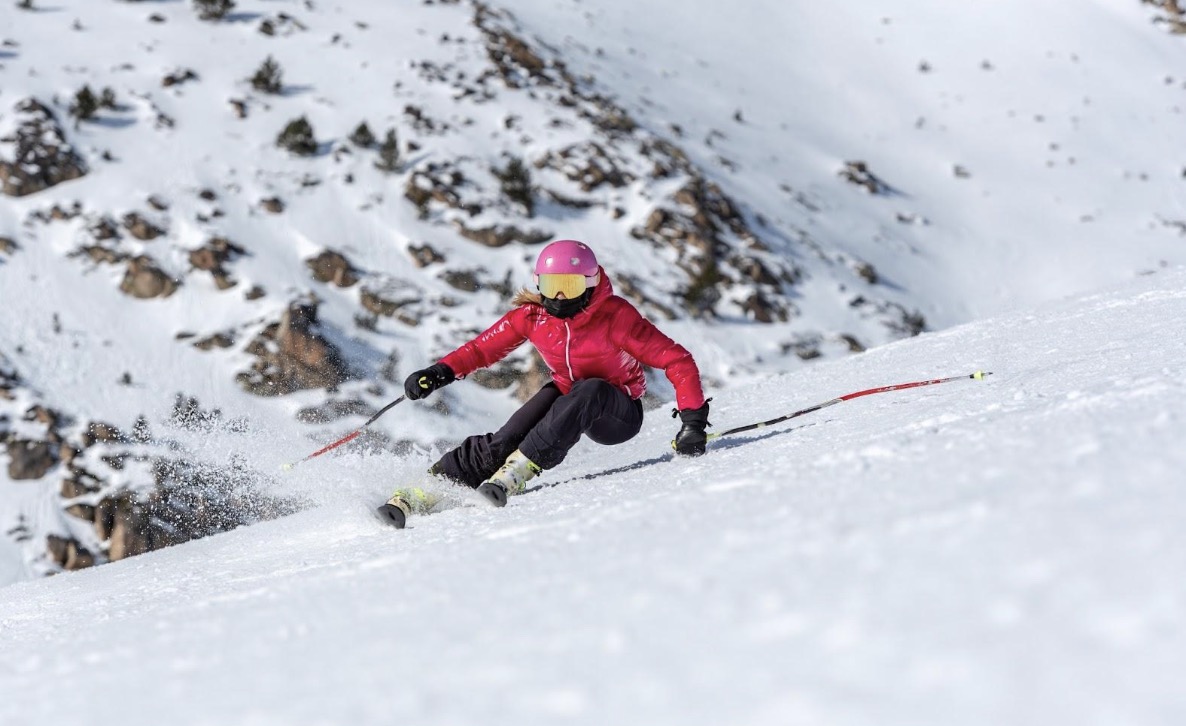
As soon as the first snowflakes fall, many of us are drawn to the slopes. Skiing combines technique, speed, and nature into a truly unique experience. However, with every turn, the risk of injury increases. Each year, numerous skiing accidents occur, most commonly affecting the knees, wrists, or shoulders.
The good news is that many of these injuries can be prevented. Good preparation, appropriate equipment, and mindful behavior on the slopes make a significant difference. We show you which ski injuries are most common and which preventive measures are most effective so you can stay healthy throughout the season.
Typical Ski Injuries and Their Causes
When skiing, high forces act on the entire musculoskeletal system. The knees, ankles, and arms are particularly stressed when a fall occurs or when a ski catches in the snow.
Knee Injuries
The knee is the most frequently affected joint. Typical injuries include cruciate ligament tears (especially ACL) and meniscus damage. These often occur when the leg twists during a fall or when a ski catches in the snow while the upper body continues to rotate. Weak core stabilizers or insufficiently trained thigh muscles also increase the risk.
Meniscus and Cruciate Ligament Tears
Meniscus injuries are often caused by twisting movements or abrupt stops. A cruciate ligament tear usually results from sudden rotations or high-speed falls. Both injuries often require lengthy rehabilitation.
Wrist Injuries
During a fall, people often instinctively brace themselves with their hands, which can lead to fractures, ligament tears, or strains. The thumb ligaments are also commonly affected, as seen in the injury known as “skier’s thumb.”
Ankle Injuries
Ligament tears and sprains occur when the ski twists or when the boot does not fit optimally. An unfavorable landing after a jump can also overload the ankle joint.
Muscle Strains
Insufficiently warmed muscles, fatigue, or lack of strength often lead to muscle strains, particularly in the thighs or calves. Many injuries are not caused by spectacular falls but rather by inadequate preparation, overexertion, or poorly adjusted equipment.
Injury Prevention: How to Stay Safe Throughout the Season
Skiing is a demanding sport. Physical preparation, properly fitted ski equipment, and mindful behavior on the slopes all work together to enhance your experience. Anyone who considers these three key pillars can significantly reduce their risk of injury.
Physical Preparation and Warm-Up
Winter sports primarily stress the legs, core, and balance. Proper preparation, therefore, begins before traveling to the mountains. Regular strength training and functional training prepare muscles and ligaments for the demands ahead. Quadriceps, hamstrings, glutes, and core stability are particularly important.
Before your first run of the day, short warm-up exercises help:
- Easy warm-up skiing
- Light squats
- Lunges
- Mobilization of the hips and ankles
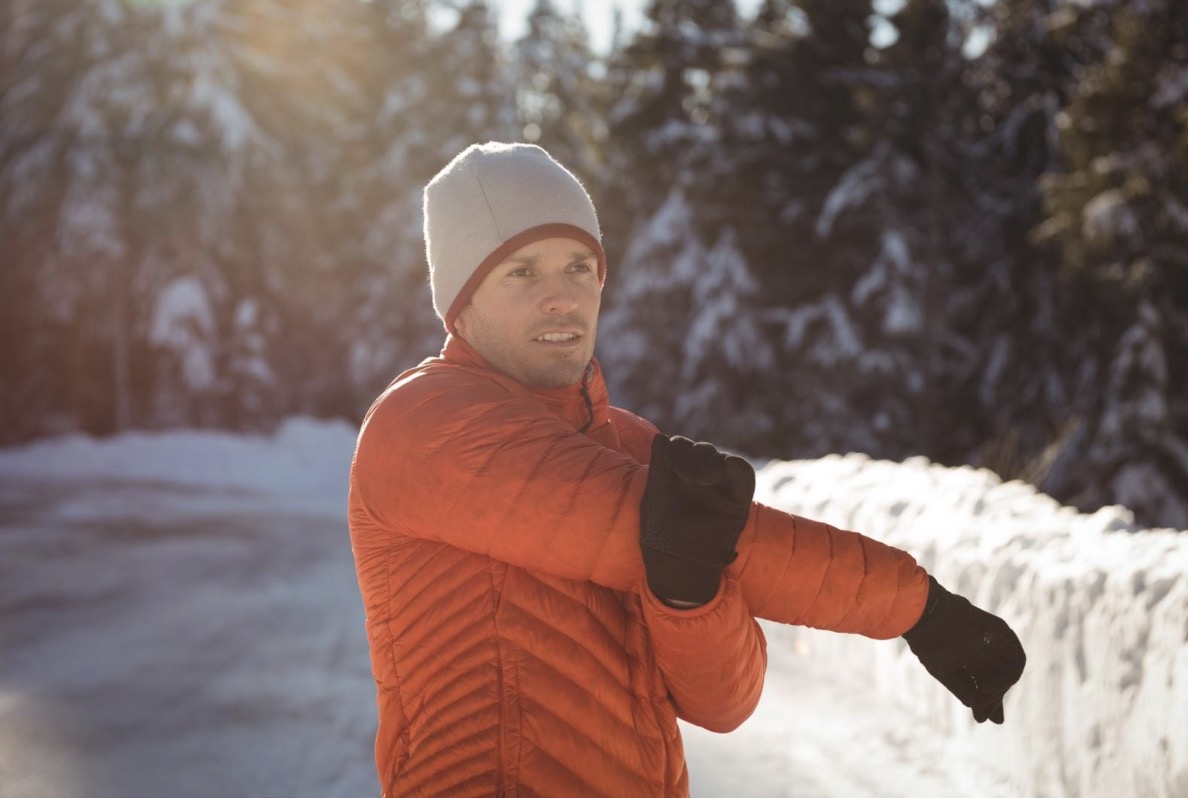
Starting warm helps you ski more controlled and react better in challenging terrain. If you are unsure which exercises are appropriate, you can seek advice at our physiotherapy practice in Schlieren to receive a program tailored to your fitness level.
How to Avoid Accidents on the Slopes
Many injuries occur due to carelessness or overconfidence.
Pay attention to the following:
- Ski defensively and adjust your speed to the terrain
- Maintain sufficient distance
- Avoid risky maneuvers when tired or when visibility is poor
- Take breaks as soon as concentration and strength begin to decline
The choice of slope also plays a role, as not every terrain is suitable for every skill level.
The Importance of Properly Fitted Equipment
Well-fitted ski equipment reduces stress on the joints and can significantly lower the risk of injury.
Please note:
- Ski boots should fit snugly without causing pressure points
- Bindings must be correctly adjusted to release in the event of a fall
- Helmets are recommended and should comply with current safety standards
Well-trained specialist retailers can assist with proper fitting. Optimal fit is especially crucial for the ankles and knees.
What to Do After a Ski Injury
Despite all precautions, injuries can still occur. Staying calm and acting in a structured way is essential. For acute symptoms, rest, cooling, and light compression can help initially. If a joint feels unstable, is severely swollen, or cannot bear weight, medical evaluation should be sought promptly to determine whether ligaments, meniscus, or bones are affected.
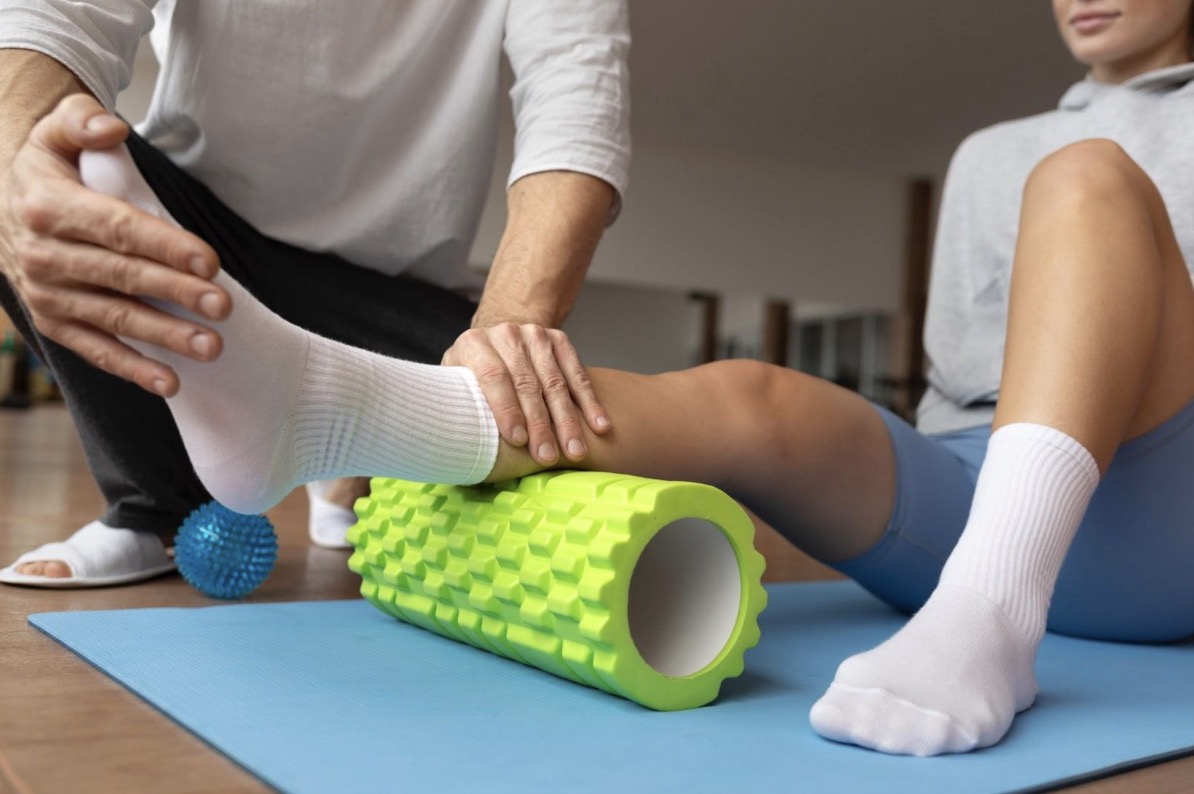
Following medical assessment, sports physiotherapy plays a central role. It supports the healing process, restores function, and helps ensure a safe return to sport. Therapy plans usually include manual therapy, stabilization, muscle strengthening, and functional training.
How to Stay Injury-Free on the Slopes
Skiing remains a popular but risk-prone sport. Strength training, proper warm-up, suitable equipment, and a forward-thinking skiing style significantly reduce the risk of injury. Those who listen to their bodies and take breaks seriously enjoy winter sports far more safely.
In the event of accidents or persistent symptoms, professional physiotherapy care is essential. The team at PhysioWelt, your center for sports physiotherapy in Zurich, supports you on your way back to everyday sports activity and creates an individualized therapy plan tailored to your performance level. If you have any questions, feel free to contact our team at any time.
Frequently Asked Questions (FAQ)
1. Which ski injuries are most common?
The most common injuries are knee injuries, especially cruciate ligament and meniscus tears.
Ankle injuries, wrist injuries, shoulder injuries, as well as bruises and muscle strains, are also typical in skiing accidents. Many of these injuries result from falls, poor conditions, or equipment issues, but can be significantly reduced through targeted prevention.
2. How can I prevent knee injuries while skiing?
The knee is heavily stressed during skiing, so targeted preparation is worthwhile. Important measures include:
- Strengthening leg and core muscles
- Functional training for stability and balance
- Properly adjusted ski bindings
- Technically clean skiing without overloading
In the event of a fall, do not try to “catch yourself” with your knee. Well-trained muscles and solid skiing technique are the best for injury prevention.
3. Which warm-up exercises are useful before skiing?
Short, dynamic warm-up exercises prepare muscles, tendons, and joints for the demands of skiing. Recommended exercises include:
- Squats
- Lunges
- Light jumping exercises
- Mobility exercises for the hips, knees, ankles, and shoulders
These warm-ups improve circulation, increase reaction speed, and help prevent injuries such as muscle strains or ankle injuries.
4. How does physiotherapy help with rehabilitation after a ski injury?
Structured physiotherapy following sports injuries supports the healing process and reduces the risk of secondary problems. Key components include:
- Pain reduction and inflammation management
- Restoration of mobility
- Functional training for strength and coordination
- Gradual load progression for daily activities and sport
At PhysioWelt Zurich, an individualized therapy plan is created to help you return safely to the slopes, supported by modern sports physiotherapy and manual therapy.
5. When can I ski again after an injury?
Returning to skiing depends on the type of injury and the healing process.
In general, skiing should only be resumed once the injury has fully healed, muscle strength and stability have been restored, and clearance has been given by a doctor or physiotherapist.
Starting too early significantly increases the risk of re-injury. A safe return to sport is best achieved through structured rehabilitation with professional guidance.
More Articles On This Topic



Ready for the First Step Toward a Healthier You?
Don’t let pain limit you any longer! Book an appointment at our physiotherapy clinic in Zurich (Schlieren) by phone or through our online booking system.