Tennis Elbow & Golfer’s Elbow: Causes, Symptoms, and Therapy
Recognize tennis elbow and golfer's elbow, understand their causes, and treat elbow pain effectively with targeted physical therapy.
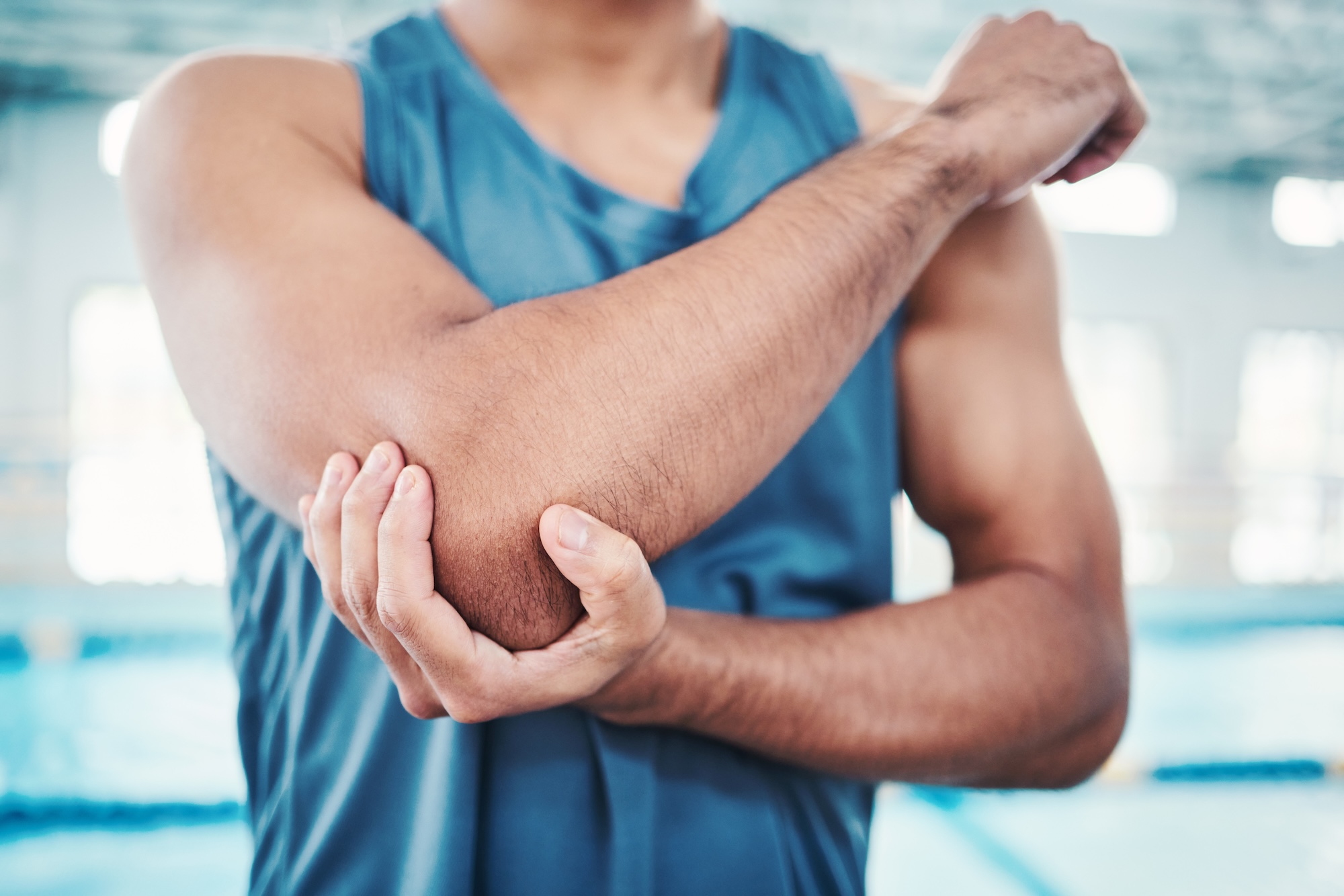
Tennis elbow and golfer’s elbow are among the most common causes of long-lasting pain in the elbow area. Not only are athletes affected, but also people who perform repetitive, one-sided movements in daily life or at work. The condition often develops gradually, is frequently ignored at first, and eventually leads to noticeable limitations in everyday activities.
Both conditions result from overuse and improper loading, leading to microtears and degenerative changes at the tendon attachment rather than acute inflammation. Targeted physiotherapy or sports physiotherapy, together with an individually tailored treatment plan, is essential to relieve symptoms sustainably and achieve full rehabilitation.
What Is Tennis Elbow and What Is Golfer’s Elbow?
Tennis elbow and golfer’s elbow describe two different forms of painful irritation around the elbow. They differ in location and the muscle groups involved, but they often cause similar symptoms.
Tennis Elbow (Lateral Epicondylitis): Pain on the Outer Side
In tennis elbow, the outer bony prominence of the elbow is affected. This is where the forearm extensor muscles attach. Repeated overuse, monotonous movements, or unfavorable loading patterns cause microscopic damage at the tendon attachment, which can lead to chronic pain. Typical symptoms include load-related pain on the outer side of the elbow that increases during gripping or lifting.
Golfer’s Elbow (Medial Epicondylitis): Pain on the Inner Side
In golfer’s elbow, the flexor muscles are affected. Pain is located on the inner side of the elbow and may radiate into the forearm. The underlying cause here is usually overuse triggered by repeated flexion movements or prolonged muscle tension.
More Causes of Tennis and Golfer’s Elbow
The causes of elbow pain extend far beyond the tennis court or golf course. Many people develop these symptoms through everyday work or household activities. Common triggers include long hours at a computer, frequent use of tools, or even repetitive scrolling on a smartphone.

Sporting activities such as strength training, climbing, or certain winter sports can also lead to tendon irritation if technique is poor or recovery is insufficient. Continuous overload results in chronic irritation that rarely resolves on its own without targeted therapy.
Typical Symptoms of Tennis Elbow and Golfer’s Elbow
In the early stages, pain often occurs only during activity. Over time, pain may also be present at rest. Typical signs include tenderness over the bony prominence of the elbow, reduced grip strength, and pain during everyday movements such as lifting a cup, opening a bottle, or shaking hands.
Many people report a pulling sensation along the forearm, extending into the hand and fingers. Reduced mobility and increasing weakness directly affect the quality of life.
Effective Treatment Approaches for Long-Term Pain Relief
Modern physiotherapy aims to reduce pain, improve tendon load tolerance, and restore arm function. At PhysioWelt, a holistic approach is taken that considers both the underlying cause and individual loading factors.
Physiotherapeutic Assessment
Treatment begins with a detailed functional assessment. Specific tests evaluate mobility, strength, load tolerance, and pain behavior of the affected structures. Based on this assessment, an individualized treatment plan is developed and precisely tailored to the patient’s needs.
Treatment at PhysioWelt: Manual Techniques
Treatment includes targeted manual therapy, techniques to relieve tendon attachments, and measures to promote circulation and muscle relaxation. This is complemented by stabilization exercises and controlled load progression. The goal is sustainable rehabilitation and restoration of pain-free movement.

What You Can Do Yourself to Support Healing
Regular mobility work and targeted training support the healing process and help prevent recurrence. Strengthening and stretching the forearm muscles, together with gradual load progression, are particularly important.
Strengthening and Stretching the Forearm Muscles
Eccentric training of the extensor and flexor muscles promotes regeneration of the affected tendons. Combined with gentle stretching exercises, long-term load tolerance improves, and pain decreases.
Ergonomics in Daily Life and Sports
Proper posture, ergonomic workplace setup, and mindful movement execution during sports are key elements of prevention. Small changes in daily routines often have a significant impact on long-term musculoskeletal health.
Your Path Back to Pain-Free Arm Function
Tennis elbow or golfer’s elbow should not be underestimated as a temporary issue. Early diagnosis, targeted physiotherapy, and consistent implementation of recommended measures are crucial for lasting improvement.
PhysioWelt supports you with professional expertise and individualized treatment approaches on your path back to pain-free movement. If symptoms persist, it is advisable to book an appointment with us and receive professional guidance throughout the treatment process. This creates the foundation for long-term arm health and resilience.
Frequently Asked Questions (FAQ)
How long does healing from tennis elbow usually take?
Most cases improve with consistent conservative therapy within 4–12 weeks; chronic or recurrent cases may require several months of structured rehabilitation.
Do I need to completely stop my sport, such as tennis, padel, golf, or skiing?
A complete break is not always necessary, but reducing intensity and making technical adjustments are usually essential.
What is the difference in treatment between tennis elbow and golfer’s elbow?
Treatment follows similar principles but focuses on the respective muscle group, extensors for tennis elbow and flexors for golfer’s elbow.
When is surgery truly necessary?
Surgical intervention is only considered if conservative treatment for over 6 to 12 months does not lead to significant improvement.
More Articles On This Topic



Ready for the First Step Toward a Healthier You?
Don’t let pain limit you any longer! Book an appointment at our physiotherapy clinic in Zurich (Schlieren) by phone or through our online booking system.