Padel Injuries: Common Risks, Hazards, and Effective Prevention
Prevent padel injuries, detect typical overuse symptoms early, and get back on the court safely with physical therapy.
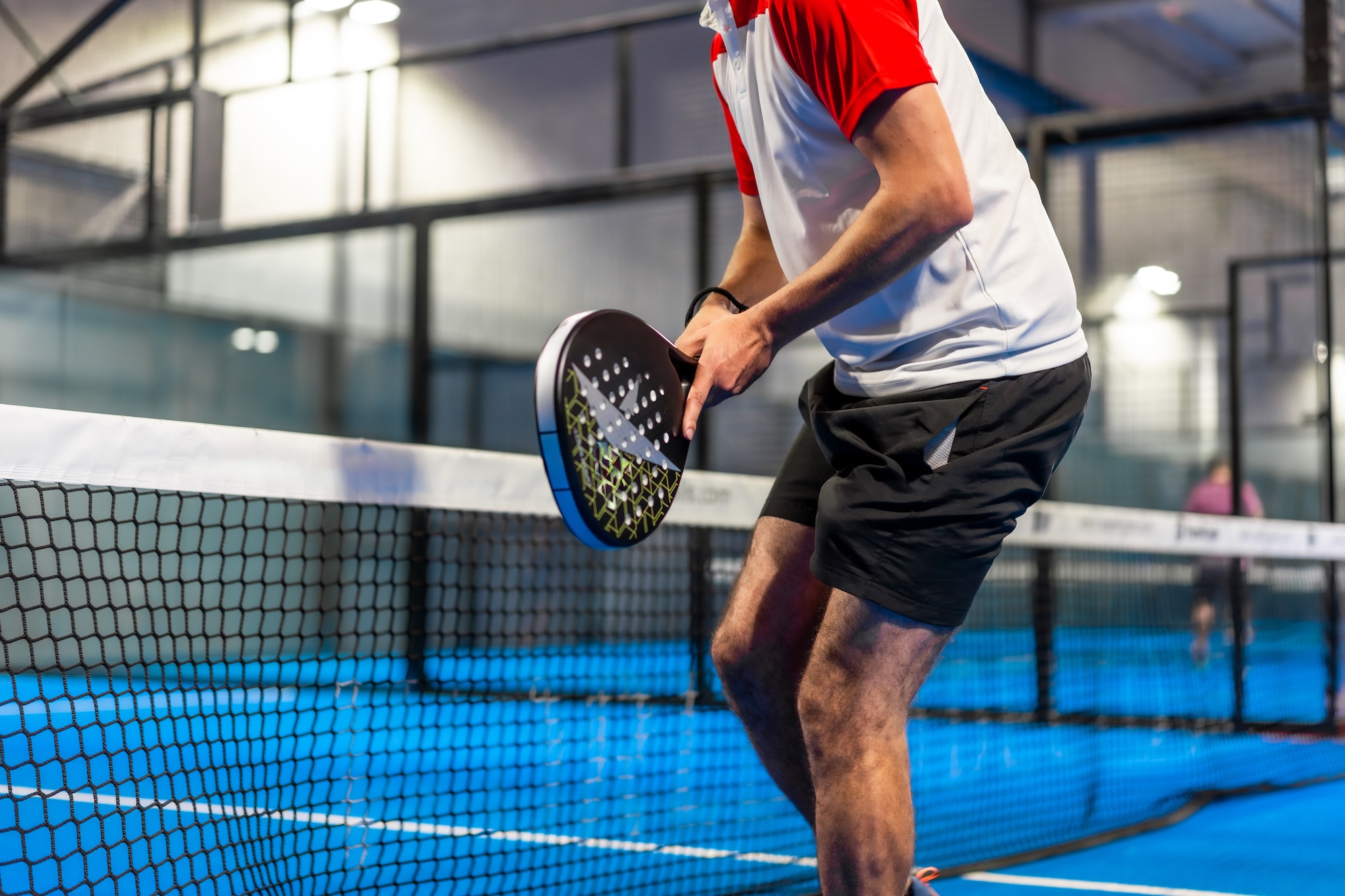
In recent years, padel has become one of the most popular and dynamic racket sports.
However, the intense rotational movements, rapid changes of direction, and repetitive stroke patterns on the compact court place greater strain on the musculoskeletal system than many players, especially beginners, expect. Without proper preparation, this can quickly lead to overuse complaints.
Targeted injury prevention, appropriate warm-up routines, and correct technique are essential to stay healthy long-term and continue to enjoy padel. Below, we explain which injuries occur most frequently, what causes them, and how you can prevent them effectively.
The Most Common Padel Injuries
Padel places demands on almost the entire musculoskeletal system. Depending on playing style and intensity, both acute injuries and gradual overuse complaints can develop.
Upper Extremities: Shoulder, Elbow, and Wrist
Repetitive stroke movements, particularly smashes and volleys, place significant stress on the shoulder and elbow. A common condition is known as epicondylitis or “padel elbow”, which has symptoms similar to tennis elbow or golfer’s elbow. Affected players experience pain on the outer or inner side of the elbow, which increases with activity and can radiate into the forearm.
The shoulder’s rotator cuff is also at risk. It stabilizes the shoulder joint and is heavily stressed during fast and powerful movements. Without sufficient preparation or with incorrect technique, irritation, inflammation, or restricted movement can occur.
Lower Extremities: Knee, Ankle, and Achilles Tendon
Stop-and-go movements, lateral lunges, and sudden changes of direction are typical in padel. These movements place high loads on the knees and ankles. Sprains, ligament injuries, and meniscus damage are common, especially when footwear is unsuitable or the playing surface is uneven.
The Achilles tendon is also heavily loaded, as it is activated with every sprint and jump. Repeated overload can lead to pain, thickening, or, in severe cases, partial tears.
Core and Back: Lumbar Spine and Musculature
Upper body rotation is a key element in padel. If movements are performed incorrectly or core stability is lacking, lower back pain frequently develops, particularly in the lumbar spine. This pain often presents as a dull, persistent ache or as a blocking discomfort after intense matches.
The combination of high muscle tension and one-sided loading makes this area especially prone to muscle tightness and functional limitations.
Load Factors in Padel
Padel injuries are rarely the result of a single factor; instead, they typically emerge from a combination of several contributing elements. Key areas that influence injury risk include the balance between training intensity and recovery, as well as the refinement of sport-specific techniques.
Inadequate warm-up significantly increases injury risk. Cold, unprepared muscles react more slowly and are more susceptible to strains or small tears. Unsuitable equipment and incorrect load distribution between the arm and the rest of the body further contribute to injury risk.
For those transitioning from other racket sports, it is important to recognize the unique technical demands of padel. The smaller court dimensions and the strategic use of walls shift movement patterns significantly, requiring an adapted playing style to ensure the body moves efficiently and safely.
Strategies to Prevent Padel Injuries
Effective injury prevention begins before the first rally. The goal is to prepare the body optimally for the specific demands of padel.
Proper Warm-Up and Cool-Down
A dynamic warm-up activates muscles and joints and improves reaction ability. The focus should be on the shoulder joint, hips, and ankles, as these structures are heavily stressed during play. Light mobility exercises also promote circulation and significantly reduce the risk of padel injuries.

After training, recovery becomes the priority, which requires a structured cool-down phase. Light jogging and gentle stretching help release muscle tension and prepare the body for the next load.
Proper Padel Technique and Movement Patterns
Clean technique reduces joint strain and distributes forces more evenly. It is important to involve the entire body during strokes rather than placing the load solely on the arm and shoulder. Short swing motions or poor wrist positioning increase the risk of overuse injuries in the elbow.
Professional technique coaching is therefore recommended, as it not only reduces injury risk but also improves performance on the court.
Equipment as an Important Protective Factor
Choosing the right equipment plays a central role in injury prevention. Padel-specific shoes provide good grip on artificial turf and reduce the risk of ankle injuries. A racket that matches your playing level and physical characteristics helps reduce stress on the elbow and wrist.
Bracing or taping can provide additional support for existing complaints, but do not replace correct technique or targeted prevention.
Treatment and Rehabilitation: Sports Physiotherapy at PhysioWelt
If pain or restricted movement occurs while playing padel, despite taking precautions, early assessment is essential. At PhysioWelt Zurich, the process begins with precise diagnostics to identify the cause of the symptoms.
Based on this assessment, a personalized therapy plan is developed that matches your individual load and sporting goals. Treatment includes manual therapy, targeted functional training, and progressive load increases to sustainably stabilize the affected structures.
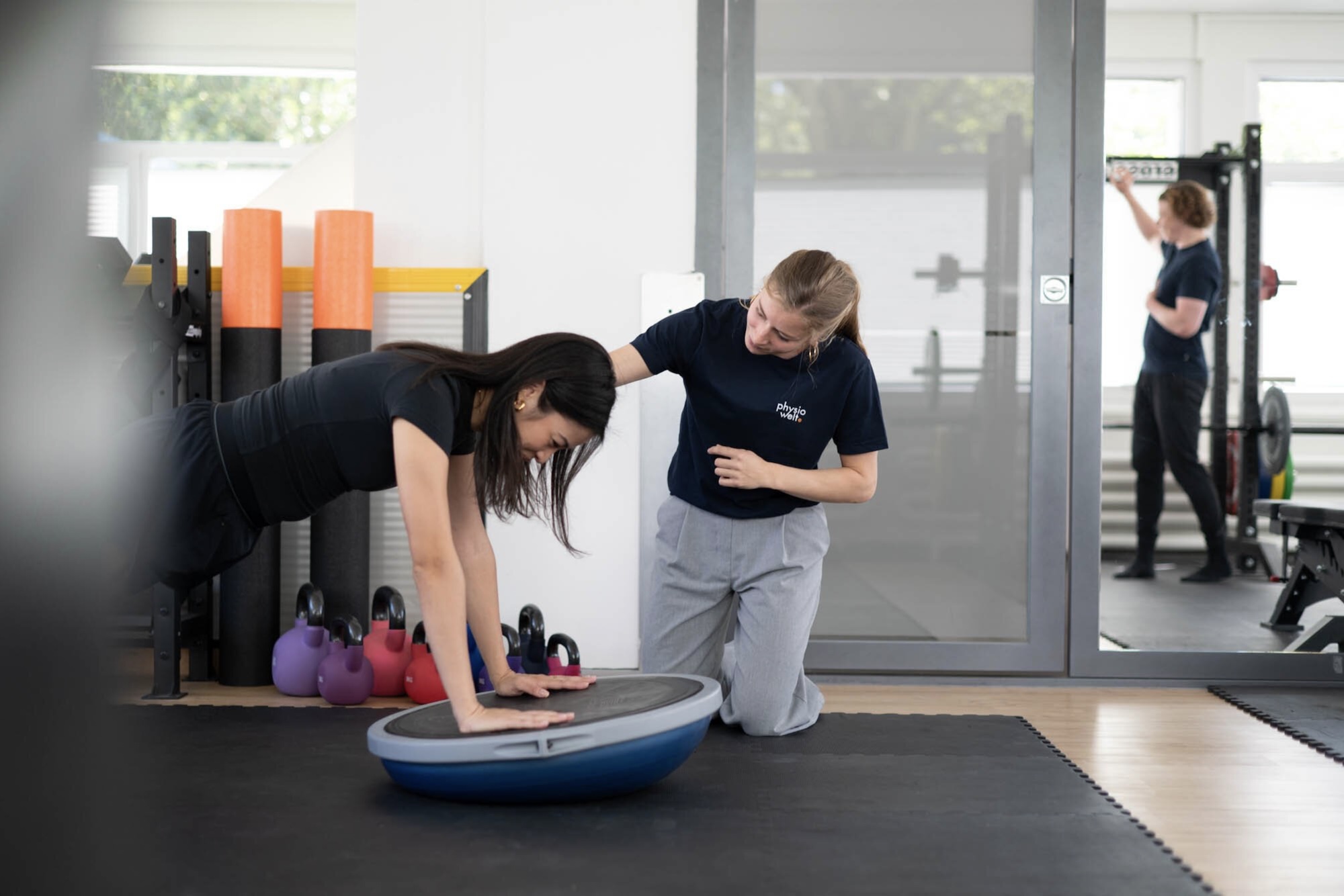
The goal is not only to relieve acute symptoms but also to enable a safe return to padel while preventing future injuries.
Staying Safe and Performant on the Padel Court with the Right Prevention
Padel is an intense and demanding sport that can lead to significant complaints if the load is incorrect. Those who focus on targeted warm-up routines, suitable equipment, and clean technique significantly reduce the risk of padel injuries and maintain long-term mobility and performance.
If symptoms do occur, PhysioWelt Zurich offers a reliable point of contact with modern sports physiotherapy for sustainable treatment and prevention. If pain persists, book an appointment early and receive individual guidance so you can continue playing padel safely and with enjoyment.
Frequently Asked Questions (FAQ)
What is “padel elbow”, and how is it treated?
“Padel elbow”, medically known as a lateral epicondylitis, is an overuse injury affecting the tendons on the outer (lateral) side of the elbow. It typically develops from repetitive strokes or poor technique, both of which place excessive strain on the forearm extensor muscles.
Treatment begins with rest, cooling, and anti-inflammatory measures to relieve acute pain. For a lasting recovery, physiotherapy is essential. This includes targeted strengthening exercises, manual therapy, and technique correction to restore tendon resilience and prevent the injury from recurring.
Are padel shoes really necessary, or are regular sports shoes sufficient?
Padel shoes are clearly recommended. They are designed specifically for rapid changes of direction, stop-and-go movements, and lateral forces on artificial turf courts. Regular sports shoes often lack sufficient ankle stability and can increase the risk of sprains and ankle injuries. Non-slip soles and good cushioning improve safety and control during play.
How does injury risk in padel differ from tennis?
Padel involves short, explosive movements and frequent trunk rotations in a confined space, which places greater stress on the shoulders, elbows, and spine. Tennis, with its longer rallies and larger court, places more repetitive load on the knees, calves, and Achilles tendon. While both sports carry injury risks, their movement patterns and joint loads differ distinctly.
Can regular strength training prevent padel injuries?
Yes. Targeted strength training plays a central role in injury prevention. Strengthening the core muscles, shoulder stabilizers, and leg muscles improves load tolerance and protects joints from overuse. Combined with stabilization and coordination exercises, it significantly reduces the risk of common padel injuries and supports long-term performance.
How do I know if I should seek physiotherapy?
If pain lasts longer than two to three days or does not improve despite rest, a physiotherapy assessment is recommended. Visible swelling, restricted movement, or a feeling of joint instability are clear warning signs. Early evaluation by an experienced physiotherapist helps prevent secondary damage and allows rehabilitation to begin in a targeted manner.
Are there specific padel exercises I can do at home?
Yes. There are effective exercises that can easily be integrated into daily life. These include mobility exercises for the thoracic spine to improve rotational mobility, strengthening exercises for the rotator cuff, and single-leg balance exercises to improve proprioception. These measures support stability and noticeably reduce the risk of padel injuries.
More Articles On This Topic



Ready for the First Step Toward a Healthier You?
Don’t let pain limit you any longer! Book an appointment at our physiotherapy clinic in Zurich (Schlieren) by phone or through our online booking system.