Running Pain-Free: Preventing Running Injuries with Physiotherapy
Understand common running injuries and prevent them effectively with physiotherapy. Achieve a stable, pain-free, and efficient running routine.

Regular running strengthens the cardiovascular system, builds endurance, and supports overall well-being. However, many running injuries develop due to overuse, inefficient running technique, or insufficient recovery. Active injury prevention plays an important role in maintaining consistent, pain-free training over time.
Physiotherapy focuses on managing training load, improving movement patterns, and identifying the underlying causes of recurring pain. With the right guidance, runners can reduce injury risk and train consistently.
What Are the Most Common Running Injuries and Their Causes?
Many running injuries develop gradually. They are often linked to overuse, limited recovery time, or inefficient movement patterns. These factors place repeated stress on the same tissues until pain and dysfunction occur.
Common running injuries include:
- Achilles tendinopathy
- Shin splints, also known as medial tibial stress syndrome
- Plantar fasciitis
- Runner’s knee (iliotibial band syndrome)
- Patellar tendinopathy, often referred to as jumper’s knee
- Hip and gluteal pain related to muscular imbalance
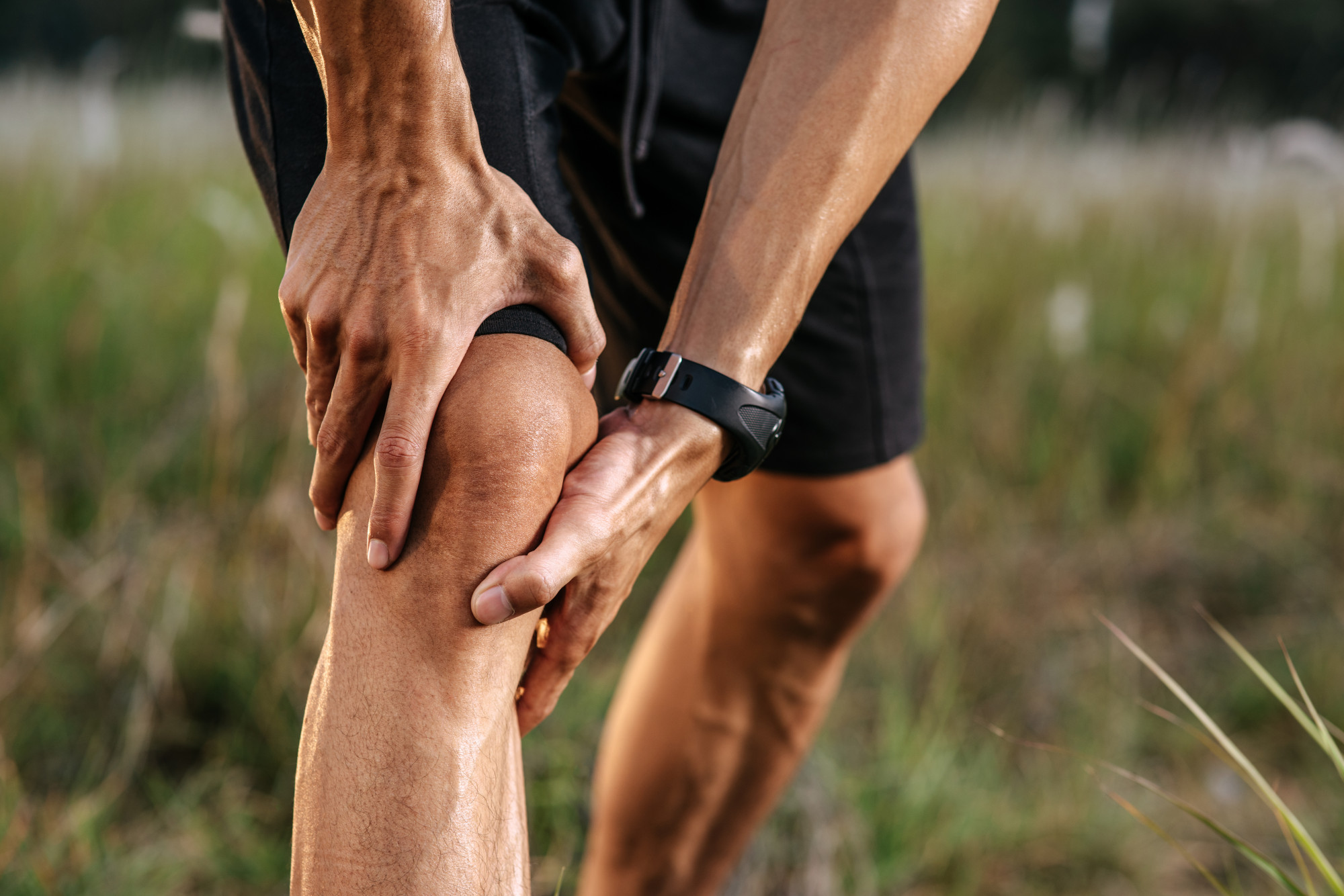
Most running injuries are interconnected. Excess load in the foot can shift stress to the knee and hip. Reduced hip stability often increases strain on the lower extremities. Limited recovery, poor foot posture, or rapid increases in training intensity further raise the risk of injury.
How to Prevent Running Injuries
There are several basic strategies to reduce the risk of running injuries, even before starting physiotherapy:
- Adjust training volume regularly to avoid sudden spikes in mileage and reduce the risk of injury.
- Apply progressive loading by building intensity gradually to allow the body time to adapt.
- Prioritize recovery by ensuring adequate sleep and incorporating scheduled rest days into the training plan.
- Incorporate variety into your training, specifically strength and mobility exercises, to build overall resilience.
- Vary running surfaces between road, trail, and track to minimize repetitive strain on specific joints and tissues.
- Select proper footwear that is suited to your foot type and running style for optimal support.
These measures create a strong foundation for injury prevention. Persistent or recurring problems often continue if the underlying cause remains unaddressed. This is where professional physiotherapy plays an essential role.
Improving Running Technique and Form
An efficient, joint-friendly running technique reduces unnecessary strain. Many running complaints are linked to poor core stability, overstriding, or compensatory side-to-side movements. A structured posture and gait analysis identifies these patterns and supports long-term improvements in running form.
Tailored Training and Regeneration
Running places repeated stress on the body and requires structured load management. A balanced training plan includes recovery phases, controlled pace variation, and gradual increases in intensity. Recovery strategies such as adequate nutrition, hydration, and gentle mobility work support tissue repair and lower the risk of overuse injuries.
Choosing the Right Running Shoes
Running shoes should match your foot structure, running technique, and joint load. Pronation or supination, foot shape, and typical running surfaces all influence how forces are absorbed and transferred. Inappropriate footwear can increase strain on the knees, hips, and lower back.
The Role of Physiotherapy in Active Injury Prevention
Physiotherapy goes beyond general training advice. It focuses on identifying inefficient movement patterns, addressing muscular imbalances, and guiding a controlled increase in training load to reduce injury risk.
Running Gait and Movement Analysis
Physiotherapists will assess your running style from several angles. This includes leg alignment, foot position, and hip movement. Identifying these deviations allows targeted corrections that reduce mechanical stress on joints and muscles.
Medical Training Therapy (MTT): Strength and Stabilization
Medical training therapy focuses on strengthening the core, hips, and foot muscles. It reduces muscular deficits, improves how load is distributed across the joints, and stabilizes the musculoskeletal system during running and daily movement.
Fascial Therapy and Flexibility
Restricted or shortened fascia increases pressure on muscles and joints. Fascial therapy improves tissue glide, supports recovery, and promotes a more elastic movement. Complementary stretching exercises help maintain muscle flexibility and reduce the risk of overuse injuries.
Your Path to a Pain-Free Running Routine
Regular runners benefit from preventive care and an individually adjusted training load. Professional sports physiotherapy helps identify the causes of recurring pain, reduce injury risk, and support sustainable performance improvements. Targeted assessment and guidance allow you to train more consistently and with greater confidence.
Contact the PhysioWelt team in Schlieren today to book a personal running analysis or to discuss a tailored therapy plan.
Frequently Asked Questions
What helps most with Achilles tendon overuse?
Targeted manual techniques, such as fascial therapy and stretching exercises for the calf muscles, reduce load on the Achilles tendon and support healing. A controlled increase in activity also helps.
What role does diagnostics play in chronic running pain?
Chronic running pain requires careful assessment because the source is often not at the site of pain. A detailed running analysis can identify malalignment or muscular imbalance elsewhere in the kinetic chain that contributes to ongoing symptoms.
How can physiotherapy improve running performance?
Physiotherapy enhances performance by utilizing medical training therapy (MTT) to build targeted strength and refine running mechanics. These measures increase movement efficiency, stability, and force transfer during running.
How does foot position affect injury risk?
Foot position influences how load is transferred to the knee and hip joints. Excessive pronation or supination can increase strain on these areas. An individual assessment helps address these patterns through specific exercises or footwear recommendations to reduce injury risk.
More Articles On This Topic


Ready for the First Step Toward a Healthier You?
Don’t let pain limit you any longer! Book an appointment at our physiotherapy clinic in Zurich (Schlieren) by phone or through our online booking system.