The Most Common Snowboard Injuries and How to Prevent Them Effectively
Understand common snowboarding injuries, prevent them through targeted preparation, and effectively treat discomfort following falls.

Snowboarding places different demands on the body than skiing. The sideways stance, lower center of gravity, and fixed board significantly change overall movement patterns. At the same time, this specific riding technique often leads to falls that mainly affect the arms, shoulders, and back. Knees and the head are also frequently involved when a fall occurs unfavorably.
The point is that a large proportion of these injuries can be avoided. With proper preparation, suitable equipment, and an appropriate riding style, riders can get through the season much more safely. In this article, we explain which injuries are most typical in snowboarding and which preventive measures can support you effectively.
Why Prevention Is So Important in Winter Sports
As mentioned earlier, the lower stance, fixed foot bindings, and sideways orientation place increased demands on specific joints and muscle groups. Proper physical preparation allows you to enjoy time on the slopes far more. Those who head onto the slopes unprepared risk typical winter sports injuries that often require long rehabilitation periods.
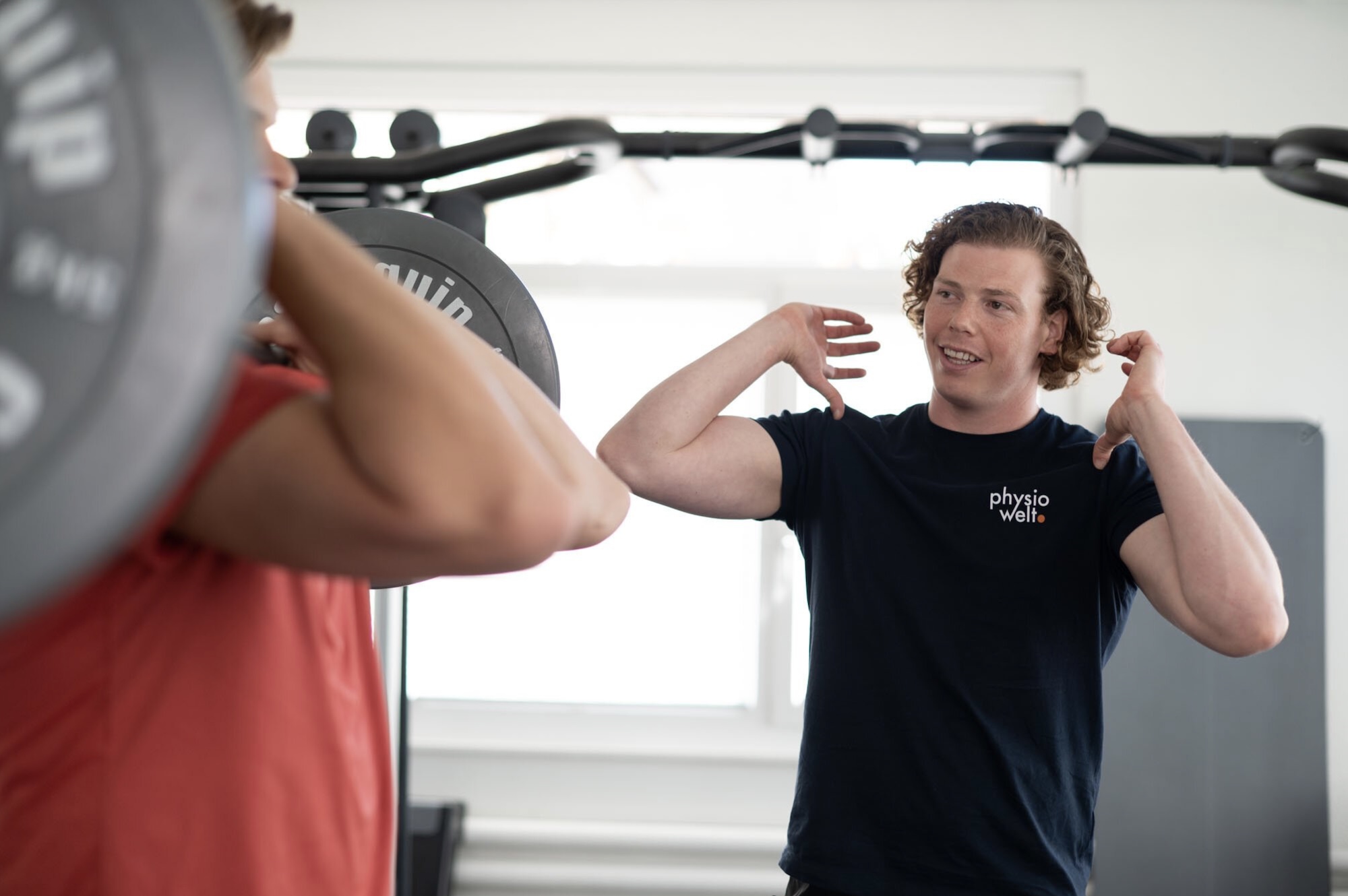
A strong core, powerful legs, and good balance significantly reduce injury risk. In addition, many injuries occur when concentration decreases or conditions on the mountain become more challenging. Prevention, therefore, includes not only physical training but also mindful behavior and realistic assessment of personal limits.
Typical Snowboard Injuries and Their Causes
Falls backward or forward are part of snowboarding. The way a rider falls usually determines which part of the body is affected.
Wrist Injuries
The instinct to brace a fall with outstretched hands makes wrist injuries particularly common in snowboarding. Falling onto your hands can cause anything from bruises and sprains to broken forearm or wrist bones. These injuries are especially common for beginners or when riding on icy slopes.
Knee Injuries
Although less common than in skiing, knee injuries can occur when rotational forces act on the joint during turning, braking, or awkward landings. Because both feet are fixed, torsion is transferred to the knee, affecting the meniscus or ligaments.
Shoulder Injuries
Falls on the frontside or backside often end on the shoulder. If the arm is stretched forward during the fall, the shoulder joint can be forced into an unfavorable position. Bruising, injuries to the acromioclavicular joint, or shoulder dislocations are possible consequences.
Head Injuries
Backward falls are typical in snowboarding. If the head strikes the ground first, mild to severe head injuries can occur, which are not always immediately noticeable. Collisions with other winter sports participants are another cause, but these risks can be reduced through good visibility and responsible behavior on the slopes.
Back and Tailbone Bruises
Anyone who snowboards knows the situation. An unexpected slip, an icy patch, or a small balance error can quickly result in landing directly on the tailbone. On frozen ground, this can be particularly painful and restrict mobility for a long time. Fatigue often plays a major role, as tired muscles no longer absorb impact effectively.
Prevention Strategies That Truly Help
Good preparation is an important part of safety in snowboarding. Fitness level, riding technique, and equipment all work together.
Physical Preparation and Effective Warm-Up Exercises
Snowboarding places high demands on the legs and core. A stable core makes it easier to maintain balance, supports rotation, and reduces risk during unexpected movements. Exercises for leg muscles, deep core muscles, and balance are already effective when performed regularly before the season.

Right before the first run, a short but focused warm-up is worthwhile. Mobility exercises for the hips and ankles, gentle riding on flat terrain, and a few activation exercises for the quadriceps and gluteal muscles ensure that muscles react quickly when needed. Those who are unsure benefit from sports physiotherapy consultation, where mobility, strength level, and balance can be assessed in a structured way.
Technique and Riding Behavior
Many injuries are not caused by difficult terrain but by situations where technique is not performed cleanly. A stable basic stance, controlled body weight distribution, and conscious riding in poor visibility are crucial to avoiding falls. Riders who know their limits and do not overdo a day on the slopes ride more safely and remain more focused.
The Role of Proper Equipment
Protective gear in snowboarding is not just for freestyle riders. Wrist guards, a well-fitting helmet, and a back protector significantly reduce the severity of many typical injuries. Boots also play an important role. They should fit firmly while still allowing enough mobility to control the board precisely. Properly adjusted bindings ensure clean force transfer and reduce joint strain.
What to Do If an Injury Occurs Despite Precautions
If an injury occurs, stay calm and protect the affected area. Cooling and gentle compression can help limit pain and swelling. Severe swelling, numbness, visible deformity, or joint instability should be assessed by a medical professional.
After a medical diagnosis, physiotherapy following sports injuries supports the entire healing process. Physiotherapy, particularly sports-specific therapy in Zurich, restores mobility, strength, stability, and functional movement through a progressive recovery plan. A personalized rehabilitation plan usually includes manual therapy, targeted exercises, stabilization, and functional training to enable a safe return to sport. For more severe injuries, rehabilitation is best coordinated with medical specialists.
Snowboarding Safely and Comfortably with Proper Preparation
Snowboarding remains a unique winter sport that demands strength, balance, and quick reactions. With good preparation, suitable equipment, and a clear awareness of personal limits, many typical injuries can be avoided. Those who respond early to warning signs and take breaks seriously not only ride more safely but also with greater enjoyment.
If symptoms occur despite precautions, the team at PhysioWelt Zurich supports you competently on your return to an active lifestyle. For questions or appointments, you can contact our team at any time.
Frequently Asked Questions (FAQ)
1. Which snowboard injuries occur most frequently, and how do they differ from skiing?
In snowboarding, wrist injuries, particularly fractures, are the most common, especially among beginners. Shoulder and collarbone injuries, as well as tailbone bruises, also occur more frequently than in skiing. Knee injuries are relevant but are often less dominant than in alpine skiing.
2. How can I prevent wrist and shoulder injuries while snowboarding?
Wrist guards are the most important measure to prevent fractures. For shoulder protection, strengthening the rotator cuff and wearing a back and shoulder protector during higher-risk riding is recommended.
3. Which warm-up exercises are useful before snowboarding?
The focus should be on dynamic exercises for core stability and balance. Light squats, lunges with rotation, and arm and shoulder circles are effective. These snowboard warm-up exercises prepare the joints for asymmetrical loading.
4. How does physiotherapy help with rehabilitation after a snowboard injury?
Physiotherapy accelerates healing through targeted exercises for muscle strengthening, mobility, and coordination. At PhysioWelt, an individualized rehabilitation plan is created to support a safe return to winter sports.
5. When can I snowboard again after an injury?
Only after full recovery and clearance from a doctor or physiotherapist. Returning too early significantly increases the risk of re-injury.
More Articles On This Topic



Ready for the First Step Toward a Healthier You?
Don’t let pain limit you any longer! Book an appointment at our physiotherapy clinic in Zurich (Schlieren) by phone or through our online booking system.