Move Without Pain Again, in Sport and Everyday Life
At PhysioWelt, we treat knee pain and sports injuries, and support your recovery after knee surgery. If your symptoms are acute, we can usually see you within 24 hours.
- Recognized by all Swiss health insurers (Grundversicherung OKP and Zusatzversicherungen)
- Home visits in Zürich (home treatment by arrangement)
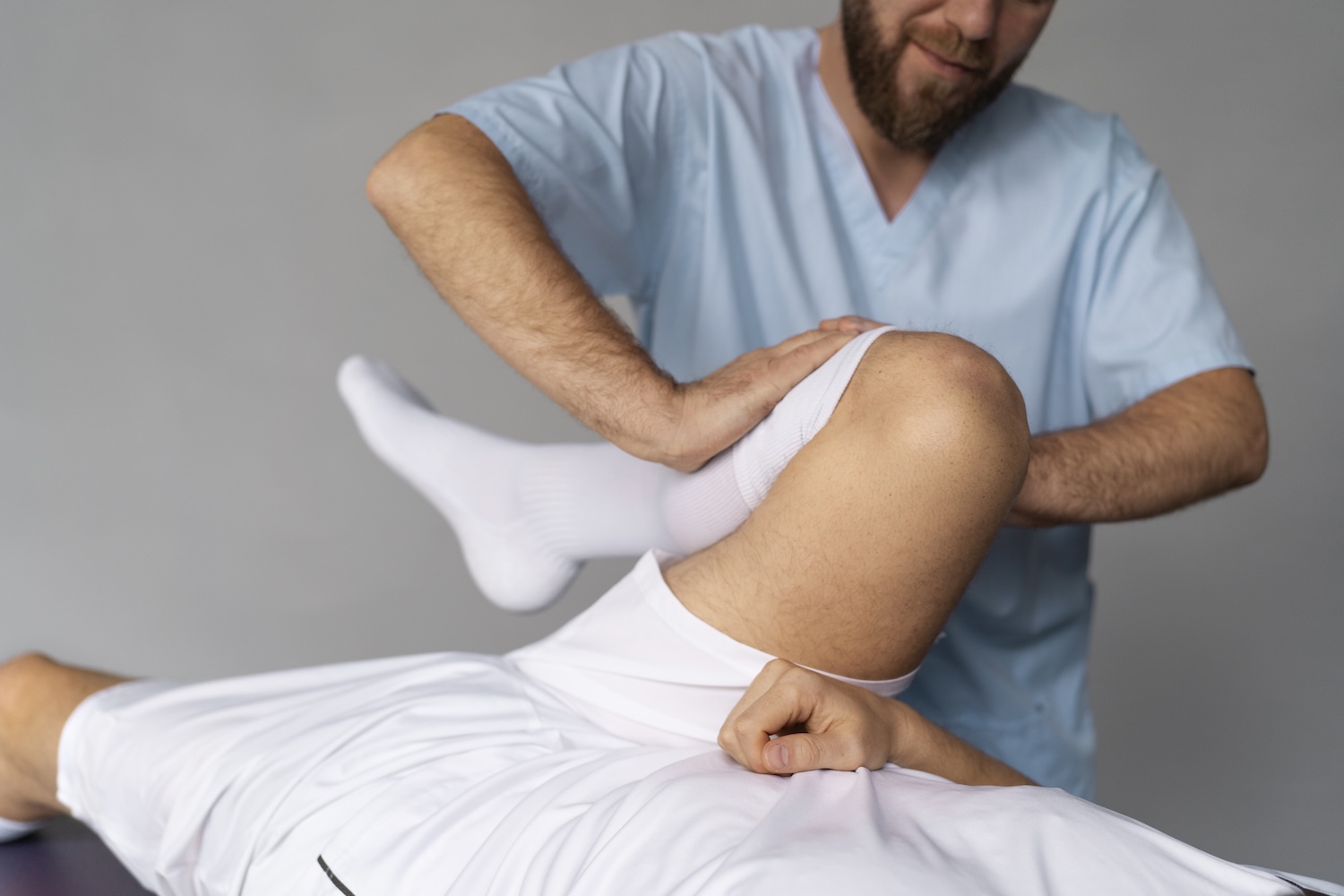
Treating knee pain: physiotherapy for your knee
What is knee pain?
Knee pain develops when structures in or around the knee joint are irritated, overloaded, or injured. The knee is the largest joint in the body and carries several times your body weight with every step, so problems here are common.
The pain can sit at the front (around the kneecap), on the inner or outer side, or behind the knee. Where the pain sits and how it behaves often point to the cause.
Knee pain can be caused by several things, including acute sports injuries, overuse, and age-related cartilage wear (osteoarthritis). A physiotherapy assessment can help identify the underlying cause of your knee pain and determine the most effective treatment approach.
Common knee injuries and conditions we treat
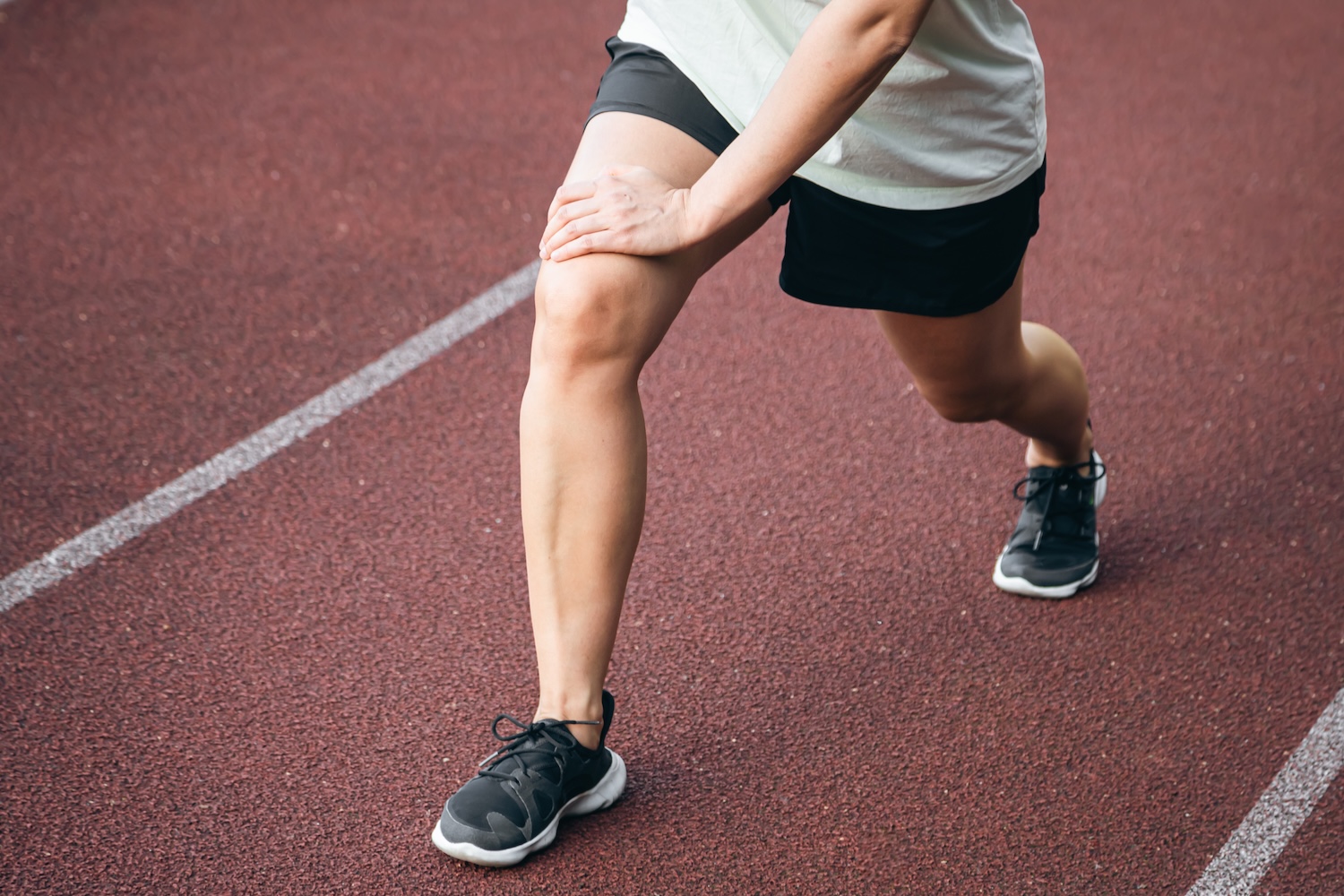
Knee pain behaves very differently depending on the cause. Some complaints appear suddenly during sport, while others develop gradually when climbing stairs or after prolonged sitting. The location of the pain can also provide important clues. For example, pain on the inner side of the knee often points to a different cause than pain at the front around the kneecap.
Below are the most common knee diagnoses we treat at PhysioWelt.
Patellofemoral Pain Syndrome (PFPS)
Pain around or behind the kneecap (patella) that often occurs when climbing stairs. The condition is commonly related to how the kneecap moves and how forces are distributed through the knee joint.
- Common causes/risk factors: Uneven strain on the knee joint, the kneecap not moving properly, or weakness in the front thigh muscles (quadriceps).
- Physiotherapy treatment: Exercises to strengthen the thigh muscles, improve walking mechanics, increase mobility, and taping to reduce strain on the knee, where appropriate.
Meniscus Injury
Damage to the meniscus, the C-shaped cartilage that cushions the knee joint. Symptoms may include pain, swelling, and a feeling that the knee catches or locks during movement.
- Common causes/risk factors: A twisting injury, repetitive stress from sports, or age-related wear and tear.
- Physiotherapy treatment: Strengthening and mobility exercises, combined with a gradual increase in load as symptoms improve.
Anterior Cruciate Ligament Injury (ACL)
A tear or injury to the anterior cruciate ligament (ACL), which can make the knee feel unstable during movement.
- Common causes/risk factors: Pivoting movements and sports that involve rapid stopping, starting, and changes of direction, such as football, rugby, or skiing.
- Physiotherapy treatment: Post-operative rehabilitation, progressive strength training, and neuromuscular exercises to restore knee stability and control.
Patellar Tendinopathy
Pain in the patellar tendon, the band of tissue that connects your kneecap to your shinbone. Common in sports with a lot of jumping.
- Common causes/risk factors: Overload from jumping or intense sporting activity.
- Physiotherapy treatment: Load management (carefully adjusting how much you train so the tendon is not overloaded), and eccentric strength training (exercises that work the muscle as it lengthens under load, for example, the slow lowering phase of a squat).
Hamstring Strain
Pain in the back of the thigh.
- Common causes/risk factors: Overuse during sport or incorrect movements.
- Physiotherapy treatment: Strengthening exercises, gradually rebuilding movement, and slowly increasing the load.
Knee Osteoarthritis
Gradual wear of the knee joint that causes pain and stiffness, especially when you put weight on the knee and after resting.
- Common causes/risk factors: Age, excess weight, previous knee injuries, genetic predisposition.
- Physiotherapy treatment: Joint mobilization, targeted strengthening of the surrounding muscles, pain management, and gait training.
Total Knee Replacement (TKR)
Rehabilitation after knee replacement surgery, with the goal of restoring mobility, strength, and everyday function.
- Common causes/risk factors: Advanced knee osteoarthritis, unsuccessful conservative treatment.
- Physiotherapy treatment: Post-operative rehabilitation, mobility exercises, gait training, and strengthening program.
IT Band Syndrome (Runner's Knee)
Pain on the outer side of the knee caused by the iliotibial band, a thick band of tissue running down the outside of the thigh, rubbing against the knee. Common in runners and cyclists, often called "runner's knee."
- Common causes/risk factors: Excessive running volume, poor leg alignment, insufficient stretching.
- Physiotherapy treatment: Stretching the iliotibial band, strengthening the outer hip muscles (the hip abductors), and analyzing your running technique.
Knee Bursitis
Inflammation of the bursa (a small fluid-filled sac) at the knee joint, with swelling, pain, and restricted movement.
- Common causes/risk factors: Repeated kneeling, direct blows to the knee, overuse, and infection.
- Physiotherapy treatment: Taking pressure off the knee, manual therapy, swelling reduction, and strengthening the knee muscles.
PCL Injury (Posterior Cruciate Ligament)
Injury to the posterior cruciate ligament (PCL), one of the ligaments inside the knee that keeps it stable, which can leave the knee feeling unstable. Often caused by a direct blow to the knee.
- Common causes/risk factors: A direct blow to the front of the shin, a fall onto a bent knee, or a traffic accident.
- Physiotherapy treatment: Strengthening the knee muscles, proprioceptive training, and training the muscles and nerves to keep the knee steady (neuromuscular stabilization).
Osgood-Schlatter Disease
Pain and swelling just below the kneecap. Common in teenagers who are still growing.
- Common causes/risk factors: A growth spurt, intense sport, and heavy use of the thigh muscles (quadriceps) during the teenage years.
- Physiotherapy treatment: Cutting back on activity, stretching exercises, and eccentric strength training (exercises that work the muscle as it lengthens under load).
Common Causes and Risk Factors
Knee pain rarely comes from a single cause. Usually, several factors work together: a particular strain or injury, a muscle weakness, and sometimes age or past medical history. These are the risk factors we see most often in our practice:
- Sudden twisting movements or falls during sport: A common way people injure the meniscus and cruciate ligaments, and a frequent cause of knee injuries while skiing.
- Repeated overuse: High running volume, sports with lots of jumping, or frequent kneeling at work.
- Muscle imbalance: Weak hip or thigh muscles put extra strain on the knee.
- Excess weight and age: The two most important factors for knee osteoarthritis.
- Previous knee injuries or operations: These raise the risk of further problems later on.
When to See a Physiotherapist
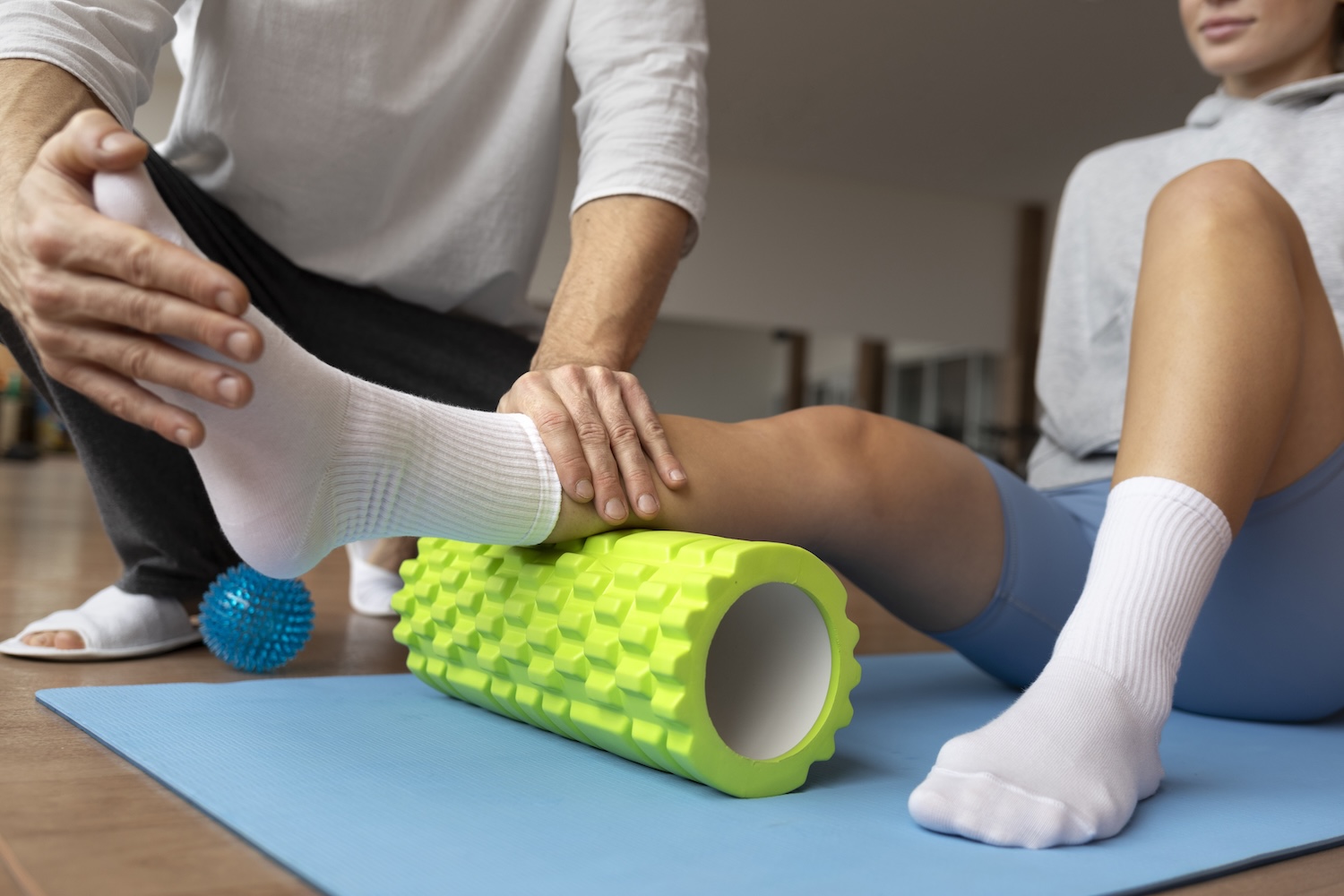
A physiotherapy assessment makes sense if knee pain lasts longer than two to three weeks, keeps coming back, or limits you in everyday life or sport.
If any of the following warning signs apply, please seek medical help first:
- Sudden, severe swelling right after an injury
- A visibly crooked knee or instability in the knee joint
- You can no longer put weight on the knee or straighten it
- Fever, strong redness, or a hot joint (a sign of infection)
- Numbness, tingling, or paralysis in the leg
After medical clearance, we are glad to take over your ongoing physiotherapy care.
Treatment Options
For the knee, physiotherapy combines several building blocks. The selection depends on the diagnosis, your symptoms, and your everyday lifestyle or sporting goals. For most knee diagnoses, active movement and targeted strength training are the core of treatment.
- Manual Therapy: Targeted mobilization techniques for the joint and soft tissue, used for stiffness, restricted movement, or after surgery.
- Medical Training Therapy (MTT) : Structured strength and load building on equipment, dosed individually. Well established for knee osteoarthritis, after cruciate ligament surgery, and for patellofemoral pain syndrome.
- Sports Physiotherapy: Sport-specific rehabilitation, matched to your sport and your level of performance.
- Eccentric training: Targeted muscle training under load, which works reliably for patellar and other tendinopathies.
- Proprioceptive and neuromuscular training: Trains balance and joint control (proprioception), important after ligament injuries and with instability.
- Kinesiology TapingK: An addition to support pain relief and load management.
- Post-operative rehabilitation: After cruciate ligament surgery, knee replacement, or meniscus operations, closely coordinated with the operating hospital.
Reviewed by

Reviewed by: Pieter Hovenga, Physiotherapist BSc, Practice Lead at PhysioWelt Schlieren.
Areas of focus: orthopedic physiotherapy and post-operative rehabilitation. More about Pieter and the whole team on the Team page.
Last reviewed: July 2026.
Frequently Asked Questions (FAQ)
1. How long does treatment for knee pain take?
That depends on the diagnosis. Acute irritation often settles within two to six weeks. Structural injuries or rehabilitation after a knee replacement usually require several months of structured physiotherapy. In your first appointment, we set out a realistic timeline.
2. Does health insurance cover physiotherapy?
Yes. PhysioWelt is recognized by all Swiss health insurers. With a doctor's referral (Verordnung), the costs are covered by basic insurance (Grundversicherung OKP). Without a referral, you can book privately or through supplementary insurance (Zusatzversicherung).
3. Do I need a doctor's referral for knee treatment?
For billing through basic insurance, yes. Without a referral, you can book an appointment through supplementary insurance at any time, or arrange a self-pay appointment, for example, for questions about load management in sport.
4. When can physiotherapy start after knee surgery?
Most hospitals recommend starting in the first week after the procedure. We coordinate the start closely with the operating team and adapt the rehabilitation to your stage of healing.
5. Can physiotherapy replace knee surgery?
For many diagnoses, especially knee osteoarthritis, patellofemoral pain syndrome, or certain meniscus injuries, conservative treatment is a sound alternative to surgery. Whether this fits your case is something we assess together with your doctor.
6. What can I do myself between appointments?
Most progress comes from the work you do at home. We give you a program matched to your stage of healing and your daily routine.
Still have questions?
Contact us directly if there is anything else you would like to know.
Related Content
Other body regions:


Are You Ready to Take the First Step Toward a Pain-Free Knee?
Do not let knee pain hold you back any longer. Regain your freedom to move, without pain, in everyday life. Booking an appointment at our practice in Schlieren is easy.
Good to know: our treatments are recognized by health insurers, and if you need it, we can also come to you for a home visit. Just call us, or use our simple online booking system.