Lasting Relief from Wrist Pain
Assessment and treatment for carpal tunnel syndrome, tendon injuries, osteoarthritis, and fractures of the hand and wrist. Appointments for acute conditions are usually available within 24 hours.
- Recognizedd by all Swiss health insurers (Grundversicherung OKP and Zusatzversicherungen)
- Home visits in the Zürich area (home treatment by arrangement)
Wrist Pain Treatment in Schlieren: Physiotherapy for Hand and Wrist
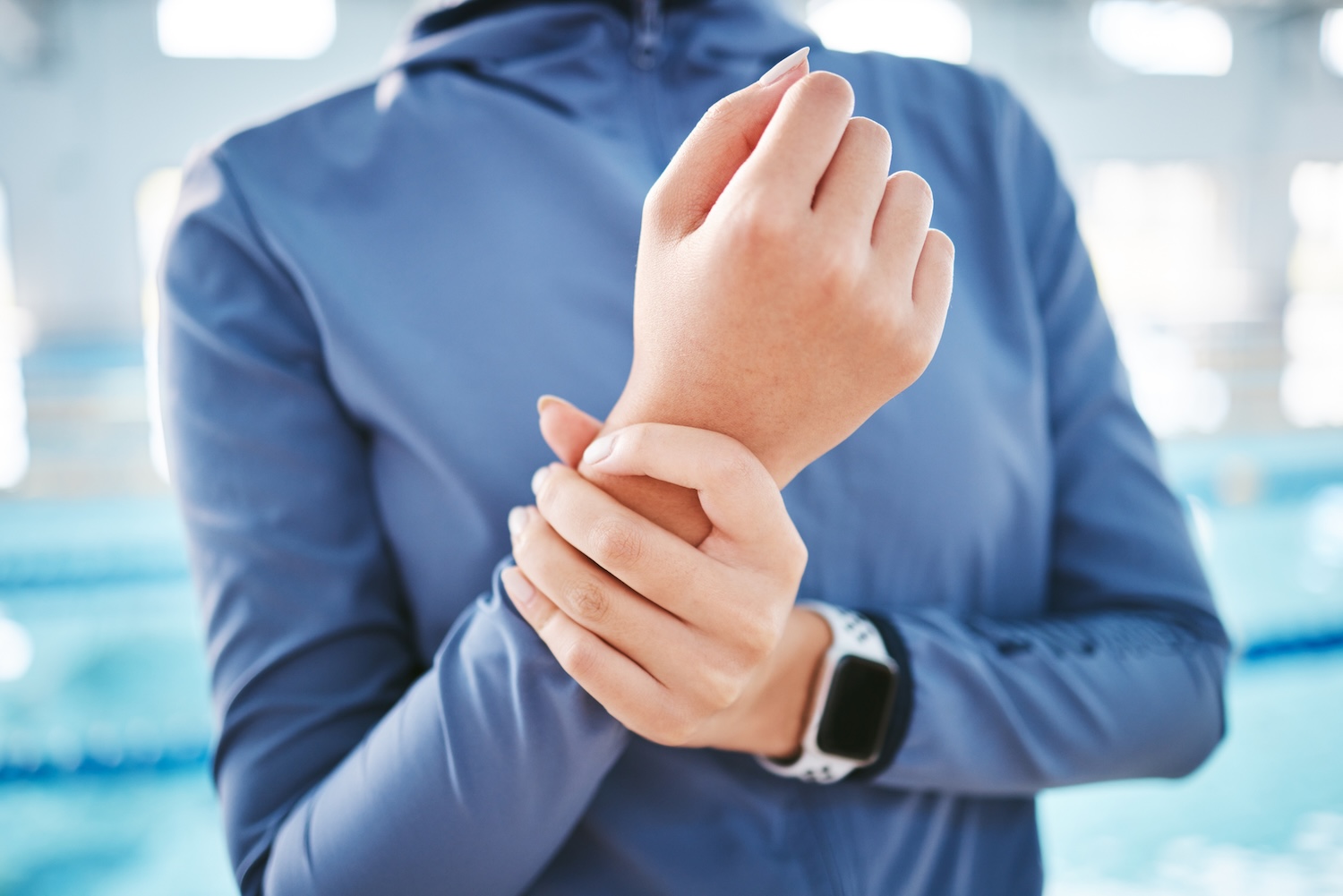
Your hands are your most important tool in everyday life. When pain in your hands blocks your movement, quality of life suffers sharply. As your specialists for treating hand complaints in Schlieren, we get to the root of the causes. We help you restore the mobility of your wrists and fingers lastingly and effectively.
What is wrist and hand pain?
Pain in the hand and fingers develops when tendons, nerves, or joints become irritated through overuse, injury, or wear. Since the hands and wrists are constantly used for everyday tasks like typing, gripping, lifting, and twisting, they are especially prone to a variety of problems.
Symptoms vary depending on the underlying cause. For instance, tingling and numbness in the fingers often point to carpal tunnel syndrome. But pain and swelling along the tendons, especially when gripping or twisting, can indicate tenosynovitis (tendon sheath inflammation). Pain that develops gradually and is accompanied by morning stiffness is often a sign of osteoarthritis.
During your physiotherapy assessment, we identify the cause of your symptoms and treat it with a targeted approach, so you can use your hands and wrists without pain again.
Common wrist and hand injuries and conditions we treat
Wrist and hand complaints can present in many different ways, such as tingling that worsens at night or pain when you twist open a jar. The location of the problem determines the direction of treatment, whether it involves a nerve, tendon, joint, or bone. We treat the following diagnoses at our practice in Schlieren.
Carpal Tunnel Syndrome / De Quervain's Tenosynovitis
Wrist and hand complaints range from numbness caused by carpal tunnel syndrome to tenosynovitis (tendon sheath inflammation) and pain after injuries. Early treatment can help prevent a chronic condition.
- Common causes/risk factors: Repetitive hand movements (typing, writing), pregnancy, diabetes, hypothyroidism, being overweight.
- Physiotherapy treatment: Nerve gliding exercises, splinting (at night), ergonomic guidance, Manual Therapy, hand strengthening exercises.
Thumb CMC Osteoarthritis (Rhizarthrosis/Basal Thumb Joint Osteoarthritis/CMC-1 Osteoarthritis)
Osteoarthritis of the thumb saddle joint that causes pain when gripping, twisting, or opening jars. It is common in women over 50 and people who perform manual work.
- Common causes/risk factors: Degenerative changes, hormonal factors (particularly in women), genetic predisposition, and repetitive gripping movements.
- Physiotherapy treatment: Joint protection training, splinting with a CMC orthosis, Manual Therapy, thumb strengthening exercises, and advice on ergonomic aids.
Scaphoid Fracture
Fracture of the scaphoid bone on the thumb side of the wrist. It is often mistaken for a sprain and must always be assessed medically.
- Common causes/risk factors: Fall on an outstretched hand, contact sport, direct trauma.
- Physiotherapy treatment: Post-operative rehabilitation, gradual mobilization, hand strengthening exercises, scar management, and progressive loading.
TFCC Injury (Triangular Fibrocartilage Complex)
An injury to the triangular fibrocartilage complex (TFCC) on the little-finger side of the wrist, causing pain during twisting movements and weight-bearing. It commonly occurs after a fall or a twisting injury.
- Common causes/risk factors: Fall on an outstretched hand, twisting of the wrist, overuse, degenerative changes.
- Physiotherapy treatment: Splinting, strengthening the wrist muscles, Manual Therapy, proprioceptive training, post-operative rehabilitation.
Trigger Finger (Stenosing Tenosynovitis)
Inflammation of the finger tendon sheath that causes painful catching or locking when bending and straightening the finger. Stiffness is often most noticeable in the morning.
- Common causes/risk factors: Repeated gripping movements, diabetes, rheumatoid arthritis, being female, and age (50 to 60 years).
- Physiotherapy treatment: Manual therapy, tendon gliding exercises, splinting, stretching exercises, and inflammation reduction.
Dupuytren's Contracture (Palmar Fibromatosis)
Thickening of the connective tissue in the palm that causes the fingers to gradually bend into a flexion contracture. The ring and little fingers are most commonly affected, making it increasingly difficult to straighten them.
- Common causes/risk factors: Genetic predisposition (Northern European ancestry), being male, diabetes, excessive alcohol consumption, and certain epilepsy medications.
- Physiotherapy treatment: Post-operative rehabilitation, stretching exercises, extension splinting, scar massage, and strengthening exercises.
Wrist Ganglion Cyst
A benign, fluid-filled cyst that develops on a joint or tendon sheath. It usually causes no symptoms, but it can press on nearby nerves and cause pain.
- Common causes/risk factors: Joint or tendon sheath irritation, repetitive strain, idiopathic (no known cause), and wrist instability.
- Physiotherapy treatment: Activity modification, splinting when needed, post-operative rehabilitation after surgical removal, and strengthening exercises.
Wrist Osteoarthritis (Radiocarpal Osteoarthritis)
Degenerative cartilage loss (osteoarthritis) in the wrist, causing increasing pain, swelling, and reduced mobility. It commonly develops after previous injuries or in people with rheumatoid arthritis.
- Common causes/risk factors: Previous fractures (especially of the scaphoid), rheumatoid arthritis, repetitive wrist use, age, and genetic predisposition.
- Physiotherapy treatment: Splinting, joint mobilization, pain management, hand strengthening exercises, and ergonomic guidance.
Hand and Finger Tendon Injury (Extensor/Flexor Tendon)
A tear or rupture of a tendon in the hand or fingers, often caused by a cut or trauma. It can impair the ability to bend or straighten the affected fingers.
- Common causes/risk factors: Cuts, blunt trauma, avulsion injuries (such as mallet finger, where the extensor tendon is pulled away from the fingertip), and sports injuries.
- Physiotherapy treatment: Post-operative rehabilitation after tendon repair, splinting (extension/flexion splint), controlled mobilization, and progressive strengthening.
Distal Radius Fracture (Broken Wrist)
A fracture of the radius near the wrist, often caused by a fall onto an outstretched hand. After a period of immobilization, targeted physiotherapy is essential for restoring full hand function.
- Common causes/risk factors: Falls onto an outstretched hand, osteoporosis, older age, and sports-related accidents.
- Physiotherapy treatment: Post-operative rehabilitation, edema management, restoring mobility, strengthening the hand and forearm muscles, and scar management.
Finger Joint Osteoarthritis (Heberden's / Bouchard's Nodes)
Osteoarthritis of the finger joints, causing pain, stiffness, and the formation of bony nodes. Heberden's nodes affect the end joints (DIP), while Bouchard's nodes affect the middle joints (PIP). It is common in women over 50 and people in occupations involving repetitive hand use.
- Common causes/risk factors: Genetic predisposition, older age, being female, repetitive gripping, and previous injuries.
- Physiotherapy treatment: Joint protection, heat and cold therapy, mobility exercises, hand strengthening exercises, and ergonomic aids.
Common Causes and Risk Factors

Wrist and hand problems usually develop due to a combination of factors. Chronic overuse, muscle imbalances in the forearms, and age-related changes can often reinforce one another.
Looking at the typical contributing factors can help explain what is causing the symptoms. Here are the most common risk factors for hand pain:
- Repetitive hand movements and overuse: Typing, writing, manual work, and playing an instrument can irritate tendons, tendon sheaths, and nerves through repeated use. Carpal tunnel syndrome and tenosynovitis often develop after months or years of repetitive strain.
- Falls onto an outstretched hand: This is the most common mechanism of injury for fractures of the radius and scaphoid, as well as TFCC cartilage injuries. Even after an apparently minor fall, medical assessment is important because scaphoid fractures are often mistaken for a sprain.
- Degenerative changes and osteoarthritis: Thumb CMC osteoarthritis, wrist osteoarthritis, and finger joint osteoarthritis can develop after years of strain. Genetic predisposition, being female, and age are the most important risk factors.
- General health conditions: Diabetes, rheumatoid arthritis, and hypothyroidism significantly increase the risk of carpal tunnel syndrome, trigger finger, and other tendon sheath problems.
- Trauma and cuts: Direct trauma to the hand or fingers can cause tendon tears (for example, mallet finger caused by an avulsion of the extensor tendon) and fractures that require targeted rehabilitation.
When to See a Physiotherapist
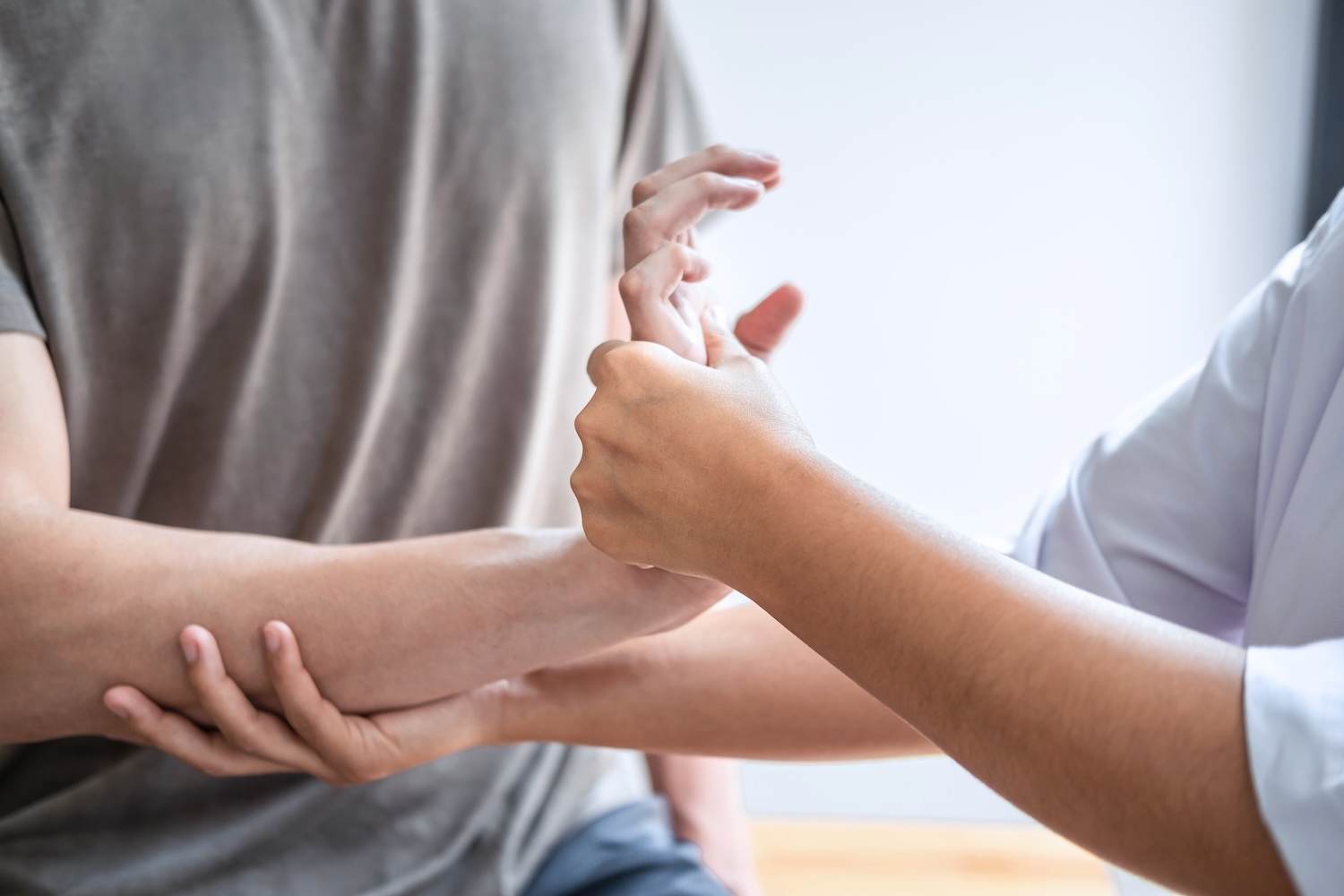
Functional limitations of the hand should be addressed early. Targeted treatment for wrist pain is advisable when symptoms become chronic (lasting longer than 2–3 weeks) or interfere with everyday movements.
If you experience any of the following warning signs, please seek medical attention first:
- Severe swelling or a visible deformity after a fall
- Numbness or tingling in several fingers that worsens at night
- Complete inability to straighten or bend a finger
- An open wound with a suspected tendon injury
- Fever, redness, and increased warmth around the joint
After medical assessment, we provide ongoing physiotherapy treatment and support you throughout your rehabilitation.
Treatment options
Treatment for hand and wrist problems depends on the diagnosis, the stage of the condition, and your everyday and work-related demands. Targeted strengthening and mobilization form the core of treatment for most conditions.
Depending on your assessment findings, splinting, ergonomic guidance, or structured post-operative rehabilitation may also be included.
- Manual Therapy: Targeted joint and soft tissue mobilization for wrist stiffness, osteoarthritis, or post-injury rehabilitation. It can also help with nerve gliding problems, such as those associated with carpal tunnel syndrome.
- Medical Training Therapy (MTT): Structured strength building for the hand and forearm muscles, individually tailored to your needs. It is particularly well established after fractures and surgery, as well as for degenerative conditions.
- Sports Physiotherapy: For sports-related hand injuries such as tendon tears or fractures, with a focus on return to sport tailored to your specific sport and performance level.
- Eccentric Training: For tendinopathies (tendon problems) of the hand and forearm caused by overuse.
- Proprioceptive Training: Training to improve fine motor control and joint control after injuries or surgery, based on proprioception as the foundation for stable hand movements.
- Kinesiology Taping: Used as a complementary treatment to reduce strain, manage pain, and support tendon healing during the early stages of recovery after an injury.
- Splinting and Ergonomic Guidance: Night splints for carpal tunnel syndrome, CMC orthoses for thumb CMC osteoarthritis, extension splints during Dupuytren rehabilitation, and guidance on ergonomic workplace setup.
- Post-operative Rehabilitation: After tendon repair, scaphoid screw fixation, Dupuytren surgery, or distal radius fracture fixation, closely coordinated with the hospital where the surgery was performed.
We determine which treatment is most appropriate for your individual case during your first appointment.
Reviewed by

Reviewed by: Patou de Vries, Physiotherapist BSc.
Areas of focus: orthopedic physiotherapy, post-operative rehabilitation, and hand therapy. More about Patou and the whole team on the Team Page.
Last reviewed: July 2026.
Frequently Asked Questions (FAQ)
1. How long does treatment for wrist and hand pain take?
It depends on the diagnosis. Tenosynovitis and overuse syndromes often settle within four to eight weeks. Rehabilitation after distal radius fracture surgery or a tendon repair usually requires three to six months of structured physiotherapy. In the first appointment, we set a realistic schedule together.
2. Does health insurance cover physiotherapy?
Yes. PhysioWelt is recognizedd by all Swiss health insurers (Grundversicherung OKP and Zusatzversicherungen). With a doctor's referral (Verordnung), treatment costs are billed through basic insurance (OKP). Without a referral, you can arrange a self-pay appointment at any time or use your supplementary insurance.
3. Do I need a doctor's referral for treatment of the hand or wrist?
For billing through basic insurance, yes. Without a referral (Verordnung), you can book privately or through your supplementary insurance. If a fracture or a tendon injury is suspected, we recommend a medical assessment first in every case, before we begin physiotherapy.
4. When should physiotherapy start after hand or wrist surgery?
It depends on the procedure. After a tendon repair, controlled early mobilization often begins in the first or second week after surgery to prevent adhesions. After distal radius fracture fixation, physiotherapy usually starts once the cast is removed. We coordinate the start of therapy directly with the operating team.
5. Can I keep working at my desk with wrist pain?
That depends on the diagnosis and the severity of the complaints. For many conditions, adapted office work is possible during treatment. We advise you on ergonomics and load management at your workplace. For acute carpal tunnel syndrome or after a tendon injury, we work out a temporary offloading strategy together.
Still have questions?
Contact us directly if there is anything else you would like to know.
Related Content
Other body regions:


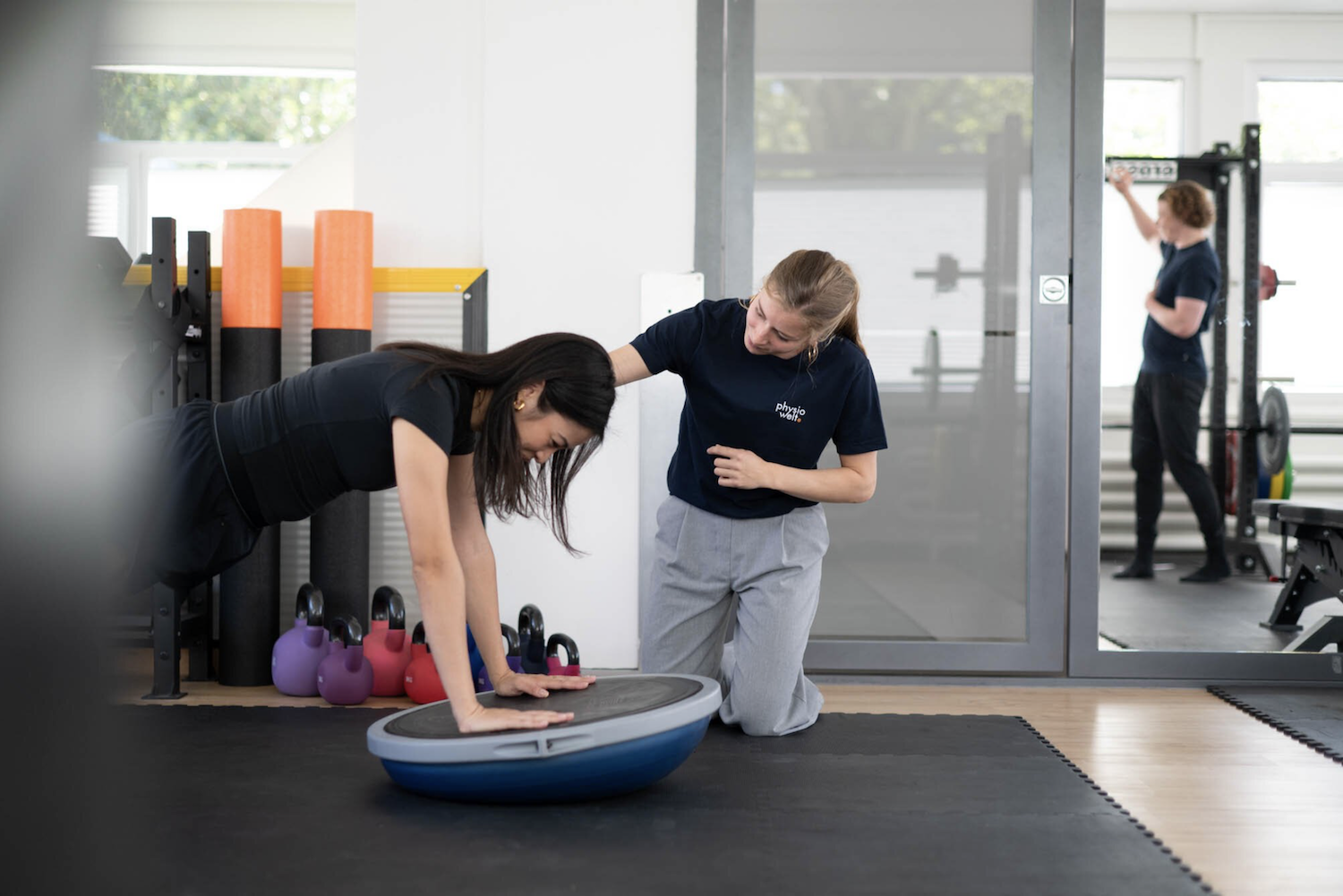
Are You Ready to Take the First Step Toward a More Mobile Hand?
Our specialist team in Schlieren takes the time to treat the cause of your complaints in a targeted way. With full Swiss health insurance recognition and the added option of home visits, we make the path to improvement as simple and smooth as possible. Take the direct step toward more quality of life and arrange your appointment flexibly online or with a short phone call.