Back Pain Treatment: Targeted Treatment To Be Active Again
Assessment and treatment for herniated disc, sciatica, lumbar spinal stenosis, and rehabilitation after lumbar spine surgery. Appointments for acute conditions often available within 24 hours.
- Recognized by all Swiss health insurers (Grundversicherung OKP and Zusatzversicherungen)
- Home visits in the Zürich area (by arrangement)

Find Lasting Relief from Back Pain
What is Back Pain?
Back pain is one of the most common complaints there is. Almost everyone has it at least once in their life. It usually sits in the lower back, where the lumbar spine carries much of the body's weight while still letting you bend and twist. The pain can come from the vertebrae (the bones of the spine), the intervertebral discs (the cushions between them), or the facet joints (the small joints that guide movement).
Back pain shows up in different ways. It can start suddenly after an awkward lift or twist. This is known as acute low back pain, or lumbago. It can also build up slowly over weeks or months, or spread from the buttocks down into the leg, which is usually a sign that a nerve is involved. Sometimes the cause is muscular. Other times it comes from a disc or a facet joint.
A proper assessment shows what is actually causing your pain and which treatment will help, whether it came on suddenly or has been nagging you for a while. That is what we are here for.
Common Back Injuries and Conditions We Treat
Similar symptoms can have very different causes behind them. A dull ache when getting up, a sharp pain after lifting, or tingling down the leg can each point to a different problem, and the right treatment depends on which one it is. That is why we start with an assessment to find the actual source. Below are the conditions we treat most often at PhysioWelt.
1. Non-specific Low Back Pain
Lower back pain with no single clear structural cause. It can be acute or turn chronic over months, and usually comes from the muscles, joints, or intervertebral discs.
- Common causes/risk factors: Muscle tension, poor posture, sedentary lifestyle, physical overloading, and psychological stress.
- Physiotherapy treatment: Manual Therapy, movement therapy, postural training, core stabilization, pain management.
2. Herniated Disc
A condition where the soft inner core of a spinal disc pushes through a crack in the tougher outer casing, causing nerve irritation.
- Common causes/risk factors: Disc degeneration, heavy lifting.
- Physiotherapy treatment: Mobilization, progressive strengthening.
3. Lumbar Spinal Stenosis
A narrowing of the spinal canal in the lower back that presses on the nerves running through it, causing leg pain and difficulty walking.
- Common causes/risk factors: Degenerative changes, herniated discs, thickening of the spinal ligaments, and age.
- Physiotherapy treatment: Decompression positions, flexion exercises, core stabilization, aquatic therapy, gait training.
4. Spondylolisthesis (Vertebral Slippage)
A condition where one vertebra slips forward over the one below it, causing back pain and possible nerve compression.
- Common causes/risk factors: Degenerative changes, a fracture in the bony arch of the vertebra, a malformation present from birth, and repeated overarching of the spine.
- Physiotherapy treatment: Core stabilization, strengthening of the deep back muscles, range-of-motion exercises, and postural training.
5. Sciatica
Pain that runs along the sciatic nerve, from the lower back through the buttocks and down into the leg.
- Common causes/risk factors: Herniated disc, lumbar spinal stenosis, piriformis syndrome, and inflammatory processes.
- Physiotherapy treatment: Neurodynamic mobilization, core stabilization, Manual Therapy, and piriformis stretching.
6. Sacroiliac Joint Dysfunction (SI Joint Syndrome)
Pain from the sacroiliac joint, the spot where the base of the spine (the sacrum) meets the pelvis. It often spreads into the buttocks and thighs.
- Common causes/risk factors: SI joint restriction, leg length discrepancy, pregnancy, and ankylosing spondylitis (an inflammatory form of arthritis of the spine).
- Physiotherapy treatment: Joint mobilization, stabilization exercises, pelvic floor training, and manual therapy.
7. Facet Joint Syndrome
Pain from the small joints that guide movement at the back of the spine, often worse when bending backward or twisting.
- Common causes/risk factors: Degenerative changes, an exaggerated inward curve of the lower back, excess body weight, and sedentary work.
- Physiotherapy treatment: Joint mobilization, core muscle strengthening, postural correction, and heat therapy.
8. Muscle Tension and Myofascial Pain Syndrome
Ongoing pain caused by trigger points in specific back muscles, along with stiffness and limited movement.
- Common causes/risk factors: Stress, poor posture, one-sided physical loading, overwork, insufficient movement.
- Physiotherapy treatment: Trigger point therapy, massage therapy, stretching exercises, heat, and cold applications.
9. Vertebral Fracture (Osteoporotic / Traumatic)
A break in one of the bones of the spine, caused by osteoporosis or injury. Depending on how severe it is, it can cause pain and nerve damage.
- Common causes/risk factors: Osteoporosis, trauma, falls, accidents, and cancer that has spread to the bone.
- Physiotherapy treatment: Post-operative rehabilitation, core muscle strengthening, mobilization, osteoporosis prevention, and fall prevention.
10. Adult Degenerative Scoliosis (Lumbar Scoliosis)
A sideways curve of the lower spine that develops or worsens in adulthood, causing back pain, postural changes, and sometimes nerve compression.
- Common causes/risk factors: Degenerative changes, osteoporosis, muscle imbalances, existing idiopathic scoliosis, and leg length discrepancy.
- Physiotherapy treatment: Core muscle strengthening, postural correction, stretching exercises, Manual Therapy, and gait training.
Common Causes and Risk Factors
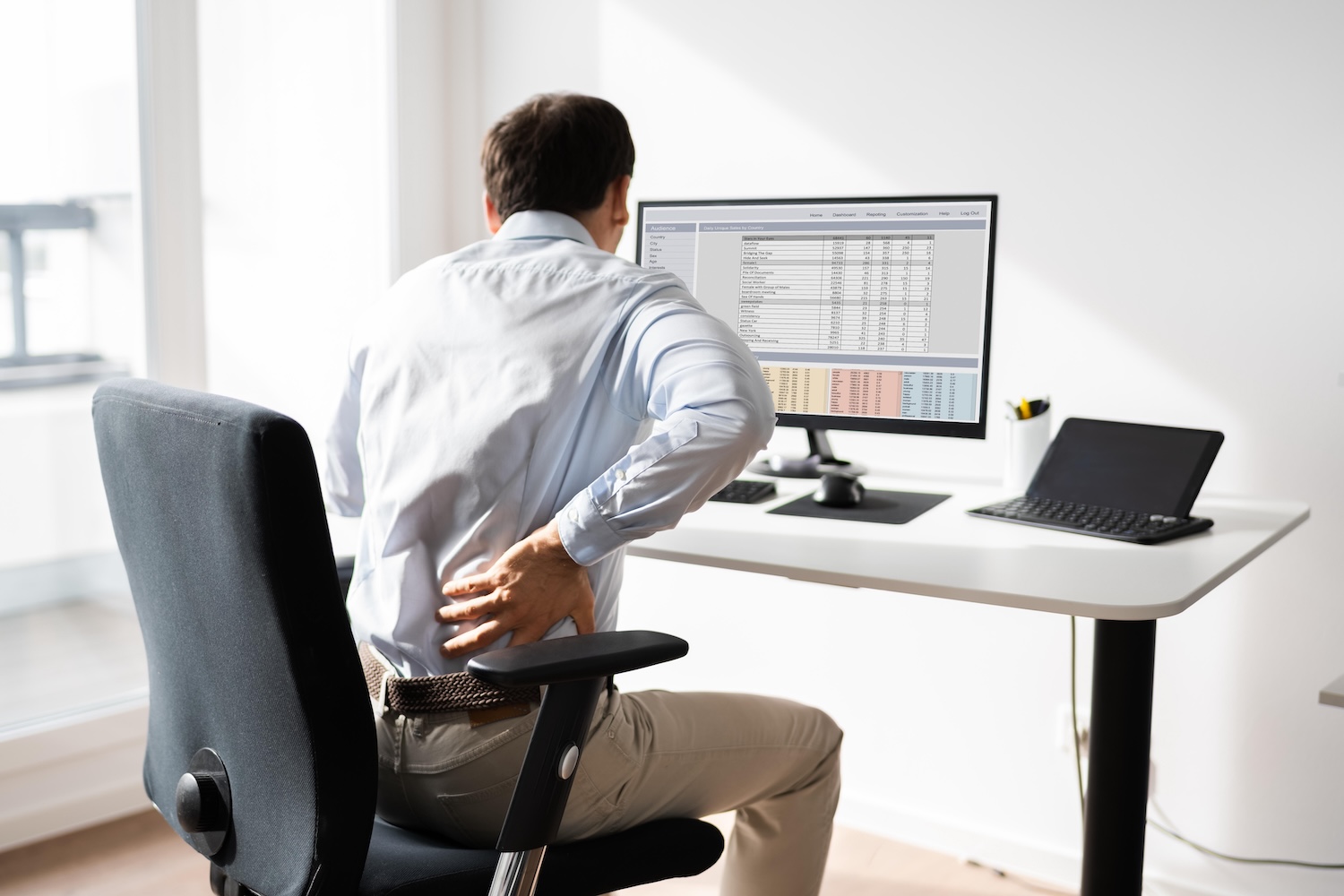
Back pain rarely comes from one single thing. Usually, a few factors add up. There might be a weak point in the spine itself, the way you load your back day to day, and then one moment that tips it over the edge. Working out which of these matters most in your case is what lets us target the treatment properly.
- Inactivity and sedentary work: Sitting for long periods weakens the deep muscles that stabilize the lower back and loads the intervertebral discs unevenly. For many people, this is the single most preventable risk factor in everyday life.
- Degenerative changes of the spine: Age-related wear in the intervertebral discs, facet joints, and ligaments builds up over decades. It can start causing symptoms after steady strain or one sudden movement.
- Overuse and improper strain: Lifting heavy with a rounded back, holding awkward positions for long stretches, or a sudden jump in physical demand can push the muscles, joints, and intervertebral discs past what they can handle.
- Stress and emotional strain: Psychological factors are a recognized reason acute back pain turns into chronic back pain. Muscle tension and changed movement patterns can keep pain going even after the tissue itself has healed.
- Previous injuries and body structure: Earlier back injuries, scoliosis, or an uneven posture put more long-term load on certain parts of the spine and make the pain more likely to come back.
When to See a Physiotherapist
When back pain sticks around and everyday movements like sitting at a desk or bending forward get hard, it is time to act. If symptoms last more than three weeks, a professional assessment is a good idea. At PhysioWelt, you can get a physiotherapy assessment quickly. If you would rather not wait for a doctor's referral (Verordnung), you can book a self-pay appointment at any time.
See a doctor first if any of these warning signs apply:
- Back pain that came on suddenly after a fall or accident
- Pain spreading into the leg along with numbness, tingling, or muscle weakness
- Sudden loss of bladder or bowel control
- Severe pain at night that does not ease when you lie down, or unexplained weight loss
- Back pain when you already have osteoporosis or cancer
- Back pain together with a fever
Once the doctor has checked you over, PhysioWelt can take over with targeted physiotherapy, matched to your doctor's findings.
Treatment Options

Every treatment plan at PhysioWelt is built around your diagnosis, your physical capacity, and what your daily life asks of you. For most back conditions, active movement and step-by-step strengthening are the core of therapy. Passive treatments support that work, but they do not replace it.
- Manual Therapy: Hands-on mobilization of the lower spine and nearby joints to restore movement, relieve pain, and release tight, protective muscles.
- Medical Training Therapy (MTT): Strength and movement training that builds up gradually to strengthen your Core Musculature (the deep muscles of your trunk that support the spine) and bring you back to full capacity.
- Neurodynamic mobilization: Gentle nerve-gliding techniques that take pressure off the sciatic nerve and reduce pain radiating down the leg. A key part of treating sciatica and radiculopathy (an irritated nerve root).
- Trigger Point Therapy: Targeted treatment of painful trigger points in the back muscles, used alongside movement therapy for myofascial pain syndrome.
- Post-operative rehabilitation: Structured rebuilding of strength, movement, and daily function after lower spine surgery, including disc surgery and spinal fusion.
- Prehabilitation: Conditioning before planned spine surgery to improve the result and shorten recovery time.
- Kinesiology Taping: Supportive taping for acute muscle tension and to improve proprioception, your sense of where your body is during movement.
Which treatment is most appropriate for you? We will discuss together in the first appointment.
Reviewed by
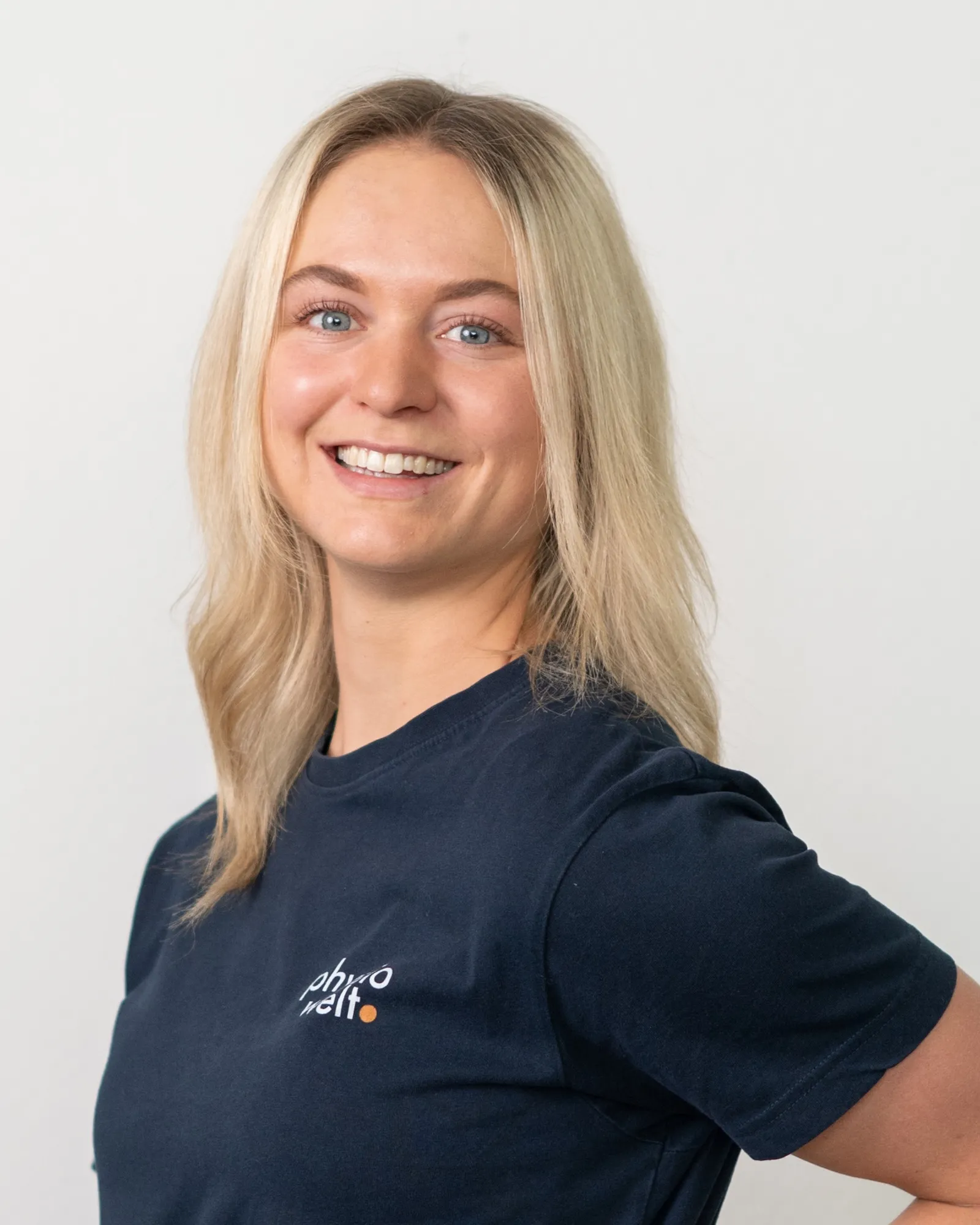
Reviewed by: Femke Hoekstra, Physiotherapist BSc.
Areas of focus: Neck and cervical spine problems, manual therapy, postoperative rehabilitation. More about Femke and the whole team on the Team page.
Last reviewed: July 2026.
Frequently Asked Questions (FAQ)
1. How long does back pain treatment take?
It depends on the cause and how things progress. A straightforward case of acute low back pain often improves within 4 to 8 sessions over 4 to 6 weeks. Chronic back pain usually needs a longer, individually planned program, sometimes with extra measures. We go over the likely course with you in the first session.
2. Does Swiss health insurance cover physiotherapy for back pain?
Yes. PhysioWelt is recognized by all Swiss health insurers (Grundversicherung OKP and Zusatzversicherungen). With a doctor's referral (Verordnung), basic insurance (OKP) covers the cost of physiotherapy, as long as the conditions of the Federal Health Insurance Act (KVG) are met. Without a referral, you can book a self-pay appointment directly.
3. Do I need a doctor's referral for physiotherapy?
For basic insurance (OKP) to cover the cost, yes, you need a referral from your GP or a specialist. Without one, you can book a self-pay appointment at any time.
4. When can physiotherapy start after back surgery?
That depends on the operation and your surgeon's plan. After disc surgery, gentle first movements often start while you are still in the hospital. Outpatient physiotherapy at PhysioWelt follows in coordination with the surgical team, usually in the first weeks after you go home. Always follow your doctor's advice.
5. Can physiotherapy help avoid back surgery?
For structural problems like a herniated disc, lumbar spinal stenosis, or sacroiliac joint dysfunction, physiotherapy is the recommended first treatment to try. In many cases, surgery can be avoided altogether. Surgery is only considered when physiotherapy does not bring enough improvement, or when there are nerve-related symptoms such as muscle weakness or significant numbness.
6. What can I do between appointments to support my back?
Gentle movement is almost always better than bed rest. Short walks keep the back muscles active and help circulation. Try not to sit or stand still for long stretches, and change position regularly. We will show you the exercises that suit your situation during therapy.
Still have questions?
Contact us directly if there is anything else you would like to know.
Related Content
Other body regions:



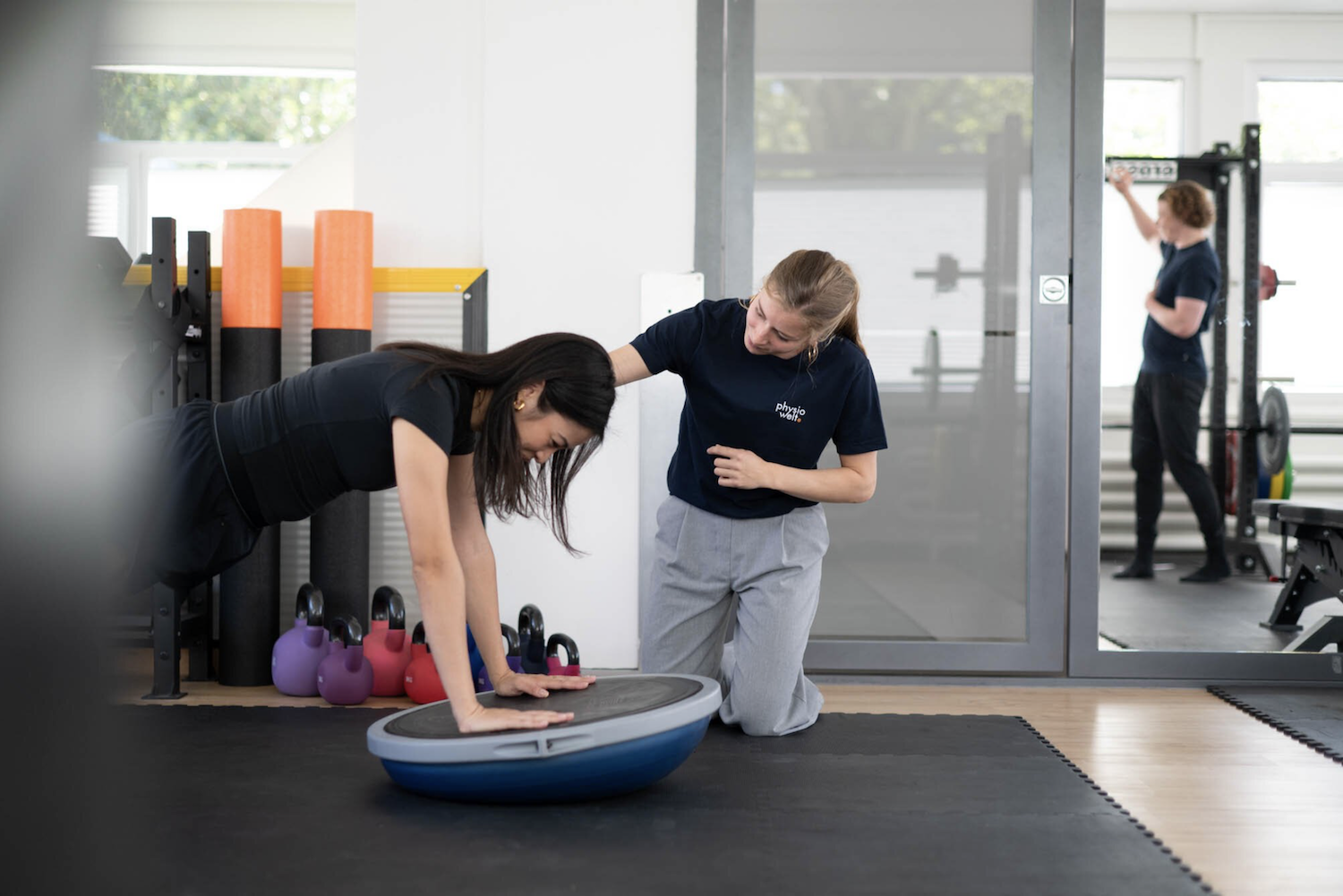
Ready to Get Your Back Moving Again?
Back pain can limit everyday life significantly, at times to the point where ordinary activities become difficult. At PhysioWelt in Schlieren, in the Limmattal region, we help you with a targeted assessment and an individual treatment plan. Not sure what is behind your symptoms? Let’s talk about it.