Regain your strength and movement, pain-free
Assessment and treatment for acute and chronic shoulder pain, sports injuries, and recovery after shoulder surgery. For acute conditions, appointments are often available within 24 hours.
- Recognized by all Swiss health insurers (Grundversicherung OKP and Zusatzversicherung)
- Home visits in Zürich (home treatment by arrangement)

Shoulder Pain Treatment in Schlieren with Physiotherapy
What is Shoulder Pain?
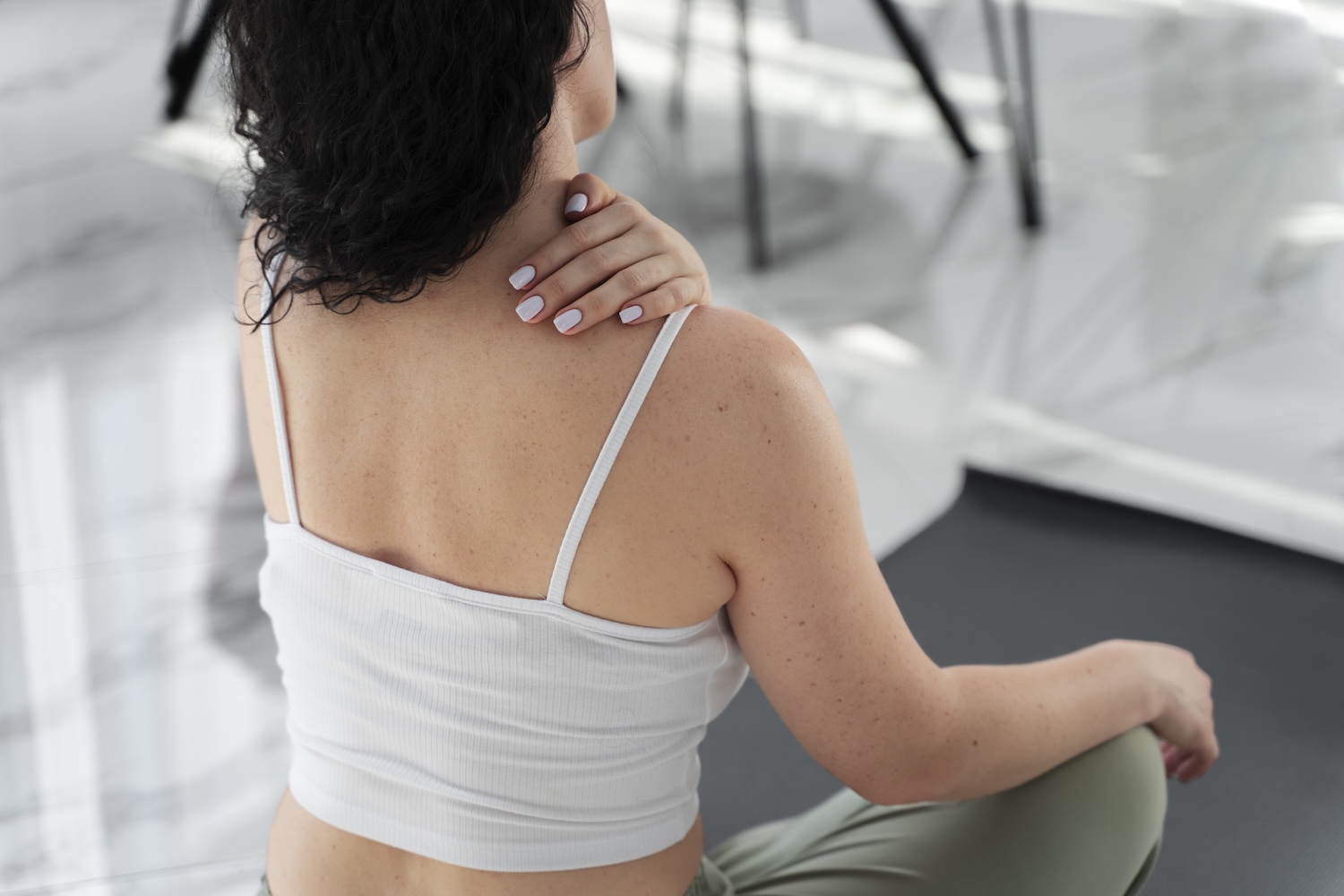
Shoulder pain is discomfort in or around the shoulder joint. It develops when the structures in the shoulder become irritated, overloaded, or injured. The shoulder is a ball-and-socket joint, where the rounded head of the upper arm sits in the shoulder socket. It moves more freely than any other joint in the body, and that same wide range of movement is what also leaves the shoulder open to irritation, tendon problems, and injury.
The pain can occur in different places. It may be felt at the front, over the long biceps tendon. Sometimes it sits on the outer side of the upper arm, in the space beneath the bony tip of the shoulder (the subacromial space). It can also sit at the top, over the joint where the collarbone meets the shoulder (the acromioclavicular joint), or deep inside the joint itself.
Additionally, shoulder pain that occurs when you lift the arm, when you get dressed in the morning, or when you lie on the shoulder at night gives a typical clue to the underlying cause.
The causes range across acute sports injuries, strain from overhead work or desk work, and age-related joint wear (osteoarthritis). We assess what lies behind your symptoms in your individual case and which treatment suits you best right now.
Common shoulder injuries and conditions we treat
Shoulder complaints behave differently depending on the cause. Some come on suddenly after a fall or a jerky movement. Others build up over weeks of office work or overhead sport. Below is a list of the most common shoulder diagnoses we treat at our practice in Schlieren.
Subacromial Pain Syndrome (Impingement Syndrome)
Pain on the outer side of the shoulder when you lift the arm, often with a feeling of weakness and limited movement.
- Common causes/risk factors: The tendons and the bursa (a small fluid-filled sac that cushions the joint) often get pinched in the space inside the shoulder. Other risk factors include overhead loading, muscle imbalance, wear-related (degenerative) changes, or a bone spur.
- Physiotherapy treatment: Manual Therapy, shoulder blade stabilization, rotator cuff strengthening, posture correction, and load management for everyday activities.
Rotator Cuff Tendinopathy
Irritation or degeneration of the rotator cuff tendons, causing pain when you lift the arm or reach overhead.
- Common causes/risk factors: Overloading, repeated overhead movements, muscle imbalance, and poor shoulder movement patterns.
- Physiotherapy treatment: Rotator cuff strengthening, shoulder blade stability training, mobilization exercises, and load management.
Adhesive Capsulitis (Frozen Shoulder)
Pain that gradually increases, along with a marked loss of movement in the shoulder joint.
- Common causes/risk factors: Often, there is no clear cause. Risk factors include diabetes and a long period of keeping the shoulder still (immobilization) after an injury.
- Physiotherapy treatment: Gentle mobilization, joint mobilization, a step-by-step rebuilding of movement, and pain management.
Shoulder Instability
Excessive mobility or repeated dislocation of the shoulder joint.
- Common causes/risk factors: Trauma, hypermobility, overhead sports.
- Physiotherapy treatment: Stabilization exercises, rotator cuff strengthening, and neuromuscular training to improve coordination and control.
Glenohumeral Osteoarthritis (Shoulder Osteoarthritis)
A degenerative joint disease that causes pain, stiffness, and reduced movement in the affected joints.
- Common causes/risk factors: Age, previous injuries, overloading, and genetic predisposition.
- Physiotherapy treatment: Range-of-motion exercises, pain management, shoulder muscle strengthening, and heat therapy.
Shoulder Replacement
Rehabilitation after surgical shoulder joint replacement. Aimed at restoring movement, strength, and everyday function.
- Common causes/risk factors: Advanced shoulder osteoarthritis, a massive rotator cuff tear or a severe fracture.
- Physiotherapy treatment: Post-operative mobilization, gradual strength building, shoulder blade stabilization, and functional training for everyday movements.
SLAP Lesion (Labral Injury)
An injury to the labrum (the cartilage rim around the shoulder socket), which causes instability and pain.
- Common causes/risk factors: Fall trauma, repeated overhead movements, and shoulder dislocation.
- Physiotherapy treatment: Shoulder blade stabilization, rotator cuff training, proprioceptive training, posture correction.
AC Joint Injury (Acromioclavicular Separation)
An injury to the acromioclavicular joint (where the collarbone meets the shoulder), with pain at the side of the shoulder. It is often the result of a fall onto the shoulder.
- Common causes/risk factors: A fall onto an outstretched hand or directly onto the shoulder, or combat sports.
- Physiotherapy treatment: Rest and protection, pain therapy, gradual mobilization, and strengthening of the shoulder blade muscles.
Biceps Tendinopathy
Pain at the front of the shoulder and upper arm caused by irritation of the long biceps tendon.
- Common causes/risk factors: Overloading, repeated lifting and rotating movements, degenerative changes.
- Physiotherapy treatment: Eccentric training (controlled muscle work under load), Manual Therapy, load management in everyday life, and strengthening of the surrounding shoulder muscles.
Post-operative/Post-traumatic Shoulder Stiffness
Limited shoulder movement after surgery or injury, caused by scar tissue and adhesions (tissue that sticks together).
- Common causes/risk factors: Immobilization after surgery or injury, scar formation, and inflammation.
- Physiotherapy treatment: Manual mobilization, scar treatment, progressive range-of-motion exercises, and stretching.
Acromioclavicular Joint Osteoarthritis (AC Joint OA)
Wear of the acromioclavicular joint, causing pain during overhead movements and when bringing the arm across the body.
- Common causes/risk factors: Age, previous injuries to the acromioclavicular joint, physical labor, and overhead sports.
- Physiotherapy treatment: Pain therapy, joint mobilization, shoulder muscle strengthening, and posture correction.
Common causes and risk factors

The causes of shoulder complaints are usually a combination of several factors. These include a specific load or injury, muscular weakness, poor posture, and sometimes age or medical history. The risk factors we see most often at our practice are listed below.
- Overhead loading at work or in sport: Repeated movements above shoulder height can irritate the tendons and the bursa. This is especially common in painters, tradespeople, swimmers, and people who play throwing or racket sports.
- Office work and shoulder blade imbalances: Hours of sitting at a screen can alter shoulder blade position and increase the risk of impingement-type complaints.
- A fall or direct trauma: AC joint and rotator cuff injuries most often follow a fall, either onto an outstretched hand or directly onto the shoulder.
- Previous shoulder dislocations or surgery: These raise the risk of recurring instability and restricted movement.
- Age and metabolism: Shoulder osteoarthritis, frozen shoulder (more common with diabetes mellitus or after prolonged immobilization), and calcific tendinitis (calcific shoulder) become more common, especially in middle age.
When to see a physiotherapist
If your symptoms last longer than two to three weeks, keep coming back, or limit you in everyday life, at work, or in sport, then a physiotherapy assessment is worth considering.
If any of the following warning signs apply, please consult a doctor first:
- Acute, severe swelling or bruising immediately after trauma
- A visible deformity of the shoulder
- A shoulder that can no longer be moved actively after a fall
- Sudden loss of strength in the arm after trauma
- Fever, marked redness, or a hot joint
- Numbness, tingling, or signs of paralysis in the arm or hand
Once your symptoms have been medically assessed, we are glad to take over your continued care.
Treatment options
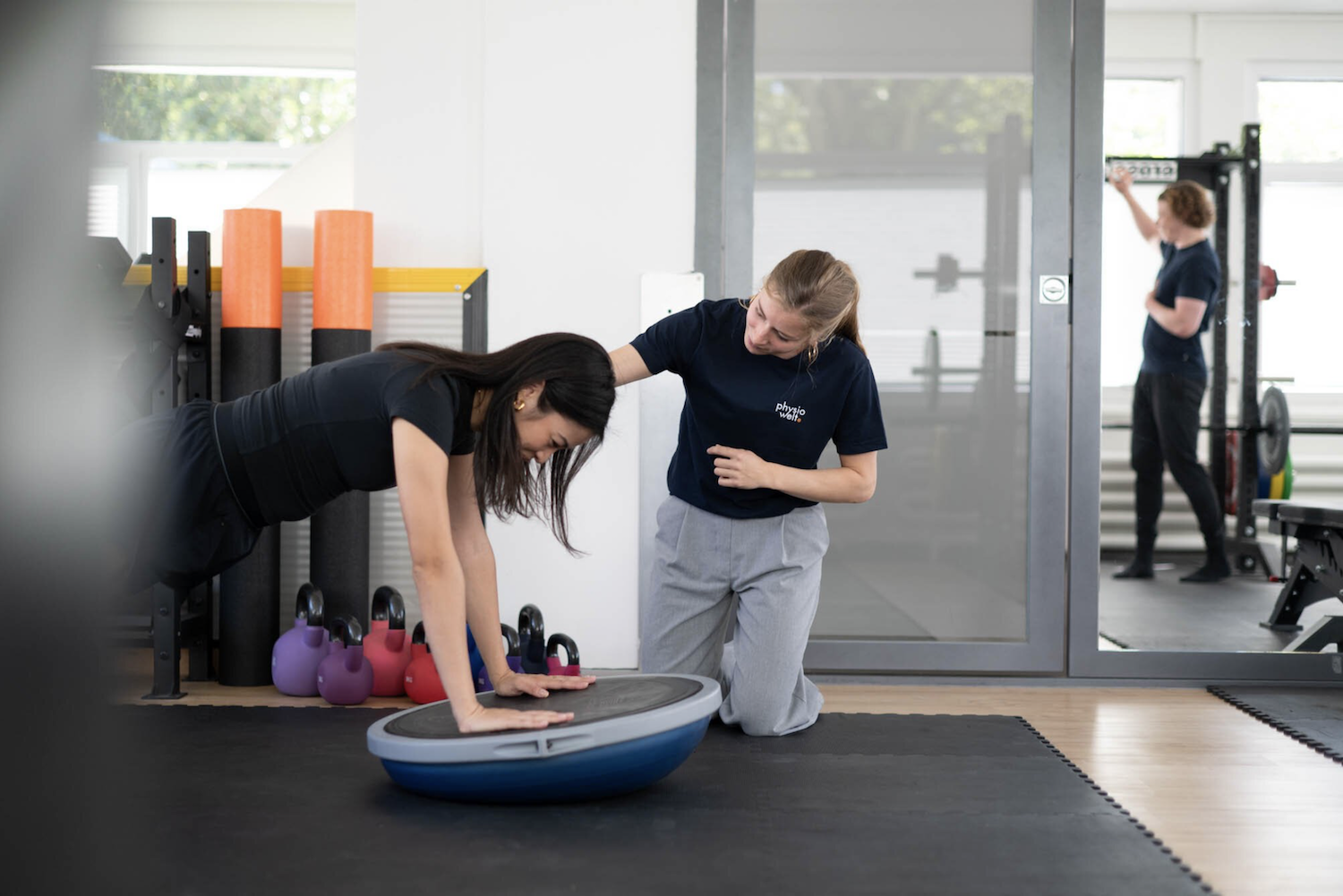
Physiotherapy treatment combines several elements. We base it on your diagnosis, the pattern of your symptoms, and your goals in everyday life or sport. For most shoulder diagnoses, the core of treatment is active movement, rotator cuff strengthening, and shoulder blade stabilization.
- Manual Therapy: Targeted mobilization techniques for the shoulder joint and shoulder blade. Used for stiffness, frozen shoulder, or after surgery.
- Medical Training Therapy (MTT): Structured, individually dosed strength and load build-up using equipment. Well established for rotator cuff tendinopathy, impingement syndrome, and recovery after shoulder surgery.
- Sports Physiotherapy: Rehabilitation tailored to your sport, with return-to-sport tests that check you are ready to play again. We match it to the demands of throwing, racket, or contact sports and to your performance level.
- Shoulder blade stabilization and rotator cuff training: Core techniques for almost all shoulder diagnoses, including impingement, instability, and post-operative rehabilitation.
- Eccentric training: Targeted muscle training under load that works reliably for tendon problems (tendinopathy) of the rotator cuff and biceps tendon.
- Proprioceptive and neuromuscular training: Trains balance and joint control (proprioception). This is particularly important after dislocations and with shoulder instability.
- Kinesiology Taping: Used as a complement for pain relief, posture correction, and load management in everyday life.
- Dry Needling: For myofascial trigger points (tight, tender knots in the muscle) in the shoulder and neck region, often combined with active therapy and manual treatment.
- Post-operative rehabilitation: After shoulder replacement, rotator cuff repair, SLAP or AC joint surgery, closely coordinated with the operating hospital.
Reviewed By

Reviewed by: Pieter Hovenga, Physiotherapist BSc, Practice Lead at PhysioWelt Schlieren.
Areas of focus: orthopedic physiotherapy and post-operative rehabilitation. More about Pieter and the whole team on the Team page.
Last reviewed: July 2026.
Frequently Asked Questions (FAQ)
1. How long does treatment for shoulder pain take?
It depends on the diagnosis. Acute irritations such as impingement syndrome often settle within several weeks. A frozen shoulder runs its natural course over months. After shoulder surgery, we plan for three to six months of structured rehabilitation. In the first appointment, we set out a realistic timeline together.
2. Does health insurance cover physiotherapy?
Yes, PhysioWelt is recognized by all Swiss health insurers. With a doctor's referral (Verordnung), the costs are covered under basic insurance (Grundversicherung OKP). Through supplementary insurance (Zusatzversicherung), further treatments are possible depending on your policy.
3. Do I need a doctor's referral for physiotherapy?
For billing through basic insurance, yes. Without a referral, you can arrange a self-pay appointment at any time. For example, for questions about load management in sport or posture correction at your workplace.
4. When should physiotherapy start after shoulder surgery?
Most hospitals recommend starting in the first week after the procedure. For a rotator cuff repair, rehabilitation works in phases with an initial protective phase. We plan the start and the gradual increase in load closely with your surgical team.
5. Can physiotherapy replace shoulder surgery?
For many diagnoses, including impingement syndrome, rotator cuff tendinopathy, and frozen shoulder, conservative treatment is the established first choice. For structural damage such as a complete rotator cuff tear in younger patients, advanced glenohumeral osteoarthritis (Omarthrose), or recurrent shoulder dislocation, surgery is often more appropriate. We assess this together with your doctor.
Still have questions?
Contact us directly if there is anything else you would like to know.
Related Content
Other body regions:


Are You Ready to Take the First Step Toward a Pain-Free Shoulder?
Do not let shoulder pain dictate your day, in sport, in sleep, or at work. Find your way back to full mobility and book your appointment at our practice in Schlieren. Simply call us or use our online booking system directly.