Club Training in Schlieren, Guided by Physiotherapists
PhysioWelt offers club training for football clubs and other sports teams in the Zürich area, guided by sports physiotherapists, covering off-season conditioning, injury prevention, and recovery.
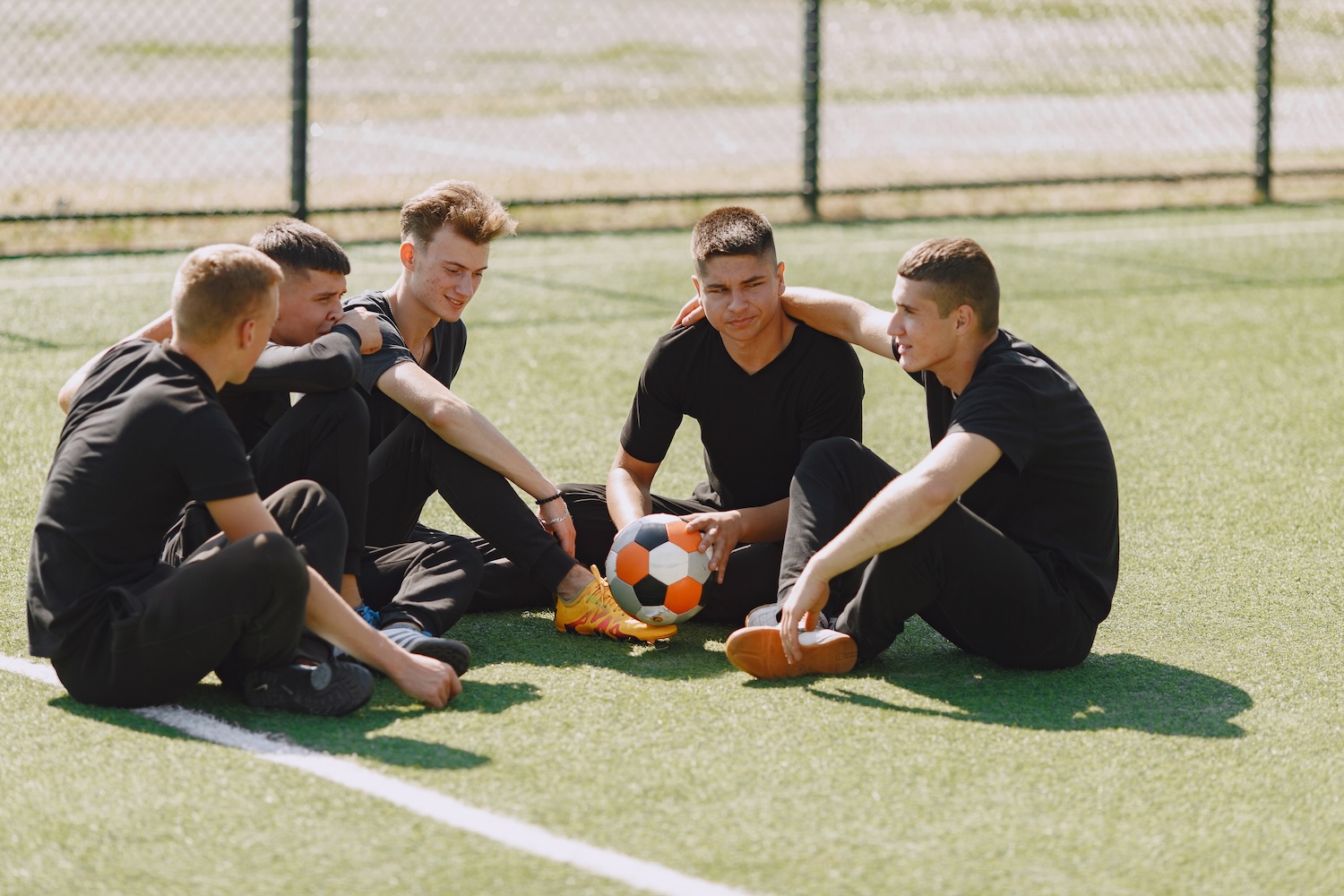
Tailored Club Training for Amateur and Professional Teams
A successful team is built on more than tactics. Every player's physical condition counts just as much. Here you will learn how we keep your players fit, strong, and better protected against injury throughout the season.
What Is Club Training with PhysioWelt?
Club training is group training for sports clubs and teams in the Zürich area, led by our physiotherapists. It is aimed at clubs that want to set their team training on a professional footing, whether in the off-season, during pre-season preparation, or for year-round injury prevention.
The real difference from a conventional club coach is our physiotherapy background. We know the injury risks specific to each sport, read how the players move, and adjust load management as the season progresses.
Club training is a private service you pay for yourself, and no medical prescription (Verordnung) is required.
Which Teams and Situations Suit Club Training?
Club training suits clubs at very different points in the year. Some come to us after an injury-heavy season, during the training-free period before pre-season, or for year-round injury prevention with physiotherapy support. Whatever the starting point, every collaboration begins with an analysis of the team, the season calendar, and the injury history within the club.
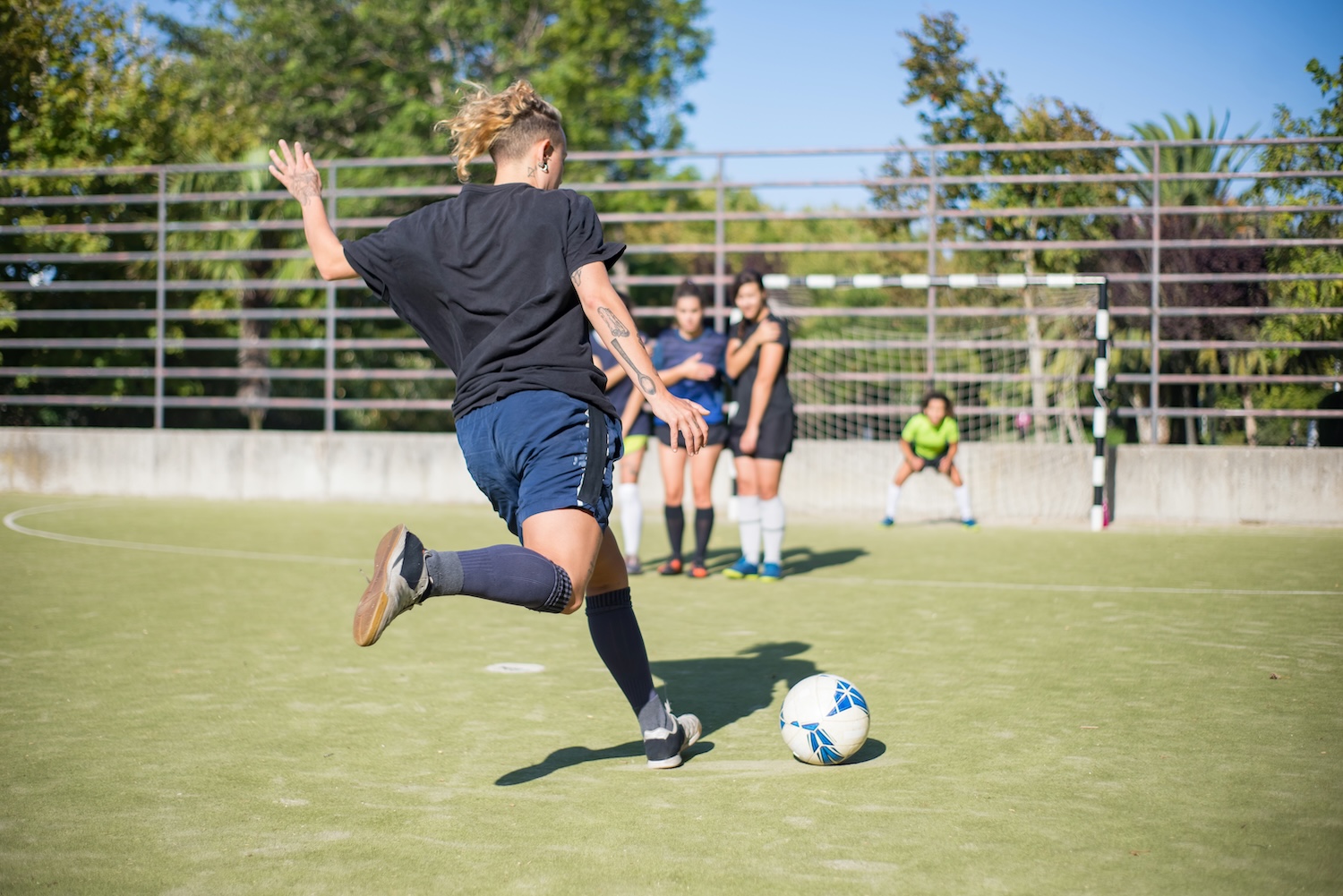
Off-Season and Pre-Season Training for Football Clubs
For football clubs, our off-season training fills the gap between the end of one season and the start of pre-season. The program builds strength and base endurance while lowering injury risk, which suits clubs of any division that want a solid conditioning base in the training-free period or to recover systematically after a hard season.
To do that, we focus on sport-specific strength work, neuromuscular training for joint coordination, eccentric training, and a team-specific movement analysis, so the club starts the new season strong and better protected against injury.
Running, Triathlon, and Endurance Clubs
Our training for running and endurance clubs focuses on load management, injury prevention, and recovery, all aimed at the overload risks that are typical of endurance sport. The program suits running groups, triathlon teams, and endurance clubs that want to guide their athletes through the season. That means heading off the complaints these sports commonly bring, such as medial tibial stress syndrome (MTSS) and Achilles tendinopathy.
Each session includes a professional running and movement analysis, strength and stability training, and a clear recovery plan, all built around your athletes' load limits and your club's competition calendar.
Contact Sports and Other Team Sports
Contact sports such as handball, basketball, and rugby carry higher injury risks from physical contact. Our training for these teams focuses on the areas most exposed and helps reduce shoulder, knee, and ankle ligament injuries.
It fits teams that want to protect their team members after an injury-heavy season, or that need a coordinated way to bring injured players back. Our support here includes injury-prevention programs, neuromuscular coordination training, and sport-specific load management, along with a criteria-based return-to-sport plan that brings injured athletes back into team training safely after a break or surgery.
Recovery and Year-Round Prevention for All Sports Clubs
Where one-off preparation ends, our year-round training carries on as the long-term option. It centers on active recovery after the season, a clear read on where the team is vulnerable, and steady injury prevention.
That mix suits clubs that want to put their training on a professional footing after repeated absences or a heavy season, and to keep the injury list short over time. Across the year, we work with individual player assessments, load management, and prehabilitation, and we keep adjusting the program as the season progresses.
Typical Training Goals for Club Training
We plan club training around each club's real goals and where it sits in the season, from off-season conditioning to injury prevention.
- Injury prevention before and during the season: Structured building of strength, stability, and coordination to reduce the sport's typical injury risks and to keep players available throughout the season.
- Off-season conditioning: Structured strength building and base endurance during the training-free period, so that the team starts pre-season physically strong and well prepared.
- Return-to-Sport after injury: A guided return of injured players into team activity, with clear functional criteria for the return to full training load.
- Recovery after a long season: An active recovery program after a long playing year that eases the strain built up over the season, restores mobility, and prepares players for the next training phase.
- Core stability and athletic base work: Building an athletic foundation that carries across sports.
When Should Players See a Doctor First?
Club training takes place under physiotherapy supervision. Even so, a club member with unexplained or acute complaints should be assessed by a doctor before joining the program.
Please talk to a doctor first if any of these apply:
- Acute, unexplained pain after an injury or a procedure without medical clearance.
- Uncontrolled high blood pressure or known heart conditions.
- Fever, active inflammation, or infection.
- Recent fractures or ongoing post-operative treatment without explicit clearance to start training.
- Unexplained dizziness, fainting, or neurological symptoms.
With a doctor's clearance, we can bring these players into the program safely, with a plan built around their situation.
Our Club Training Approach
Club training at PhysioWelt is built on assessment, planned in phases, and documented as we go. We start by analyzing the club, then keep adapting the program to the season and to what the team actually needs.

- Initial consultation and club analysis: The first conversation sets the starting point, covering the sport, division, season calendar, known injury patterns in the team, and the club's goals.
- Individually planned program: From the first conversation, we build a phased training program with clear stages and structured load management.
- Sessions led by physiotherapists: Every session is led by our sports physiotherapists, who watch technique, training load, and injury risks and adjust them where needed.
- Regular progress checks: After each agreed phase, we review the goals and adapt the program to the fixture list and the current injury situation.
Sessions take place at our practice in Schlieren or, by arrangement, at the club. The first conversation carries no obligation and lets us check together whether the partnership is a good fit.
Reviewed by

Reviewed by: Pieter Hovenga, Physiotherapist BSc, Practice Lead at PhysioWelt Schlieren.
Areas of focus: sports physiotherapy, injury prevention, club/team training, return-to-sport . More about Pieter and the whole team on the Team page.
Last reviewed: July 2026.
Frequently Asked Questions (FAQ)
1. What kinds of sports clubs is club training for?
Club training is open to any sports club, from football to running and triathlon groups to contact sports such as handball or rugby. The focus is on off-season preparation and injury prevention, though it can also run alongside the season or work as a recovery program after a long playing year.
2. How is club training at PhysioWelt different from a regular team coach?
Every session is led by qualified sports physiotherapists, and the program is built from an analysis of the club and the injury history in the team, not from a generic fitness plan. That way, injury-prone players can be brought in deliberately and each player's risk factors are taken into account.
3. Does health insurance cover the cost of club training?
Club training is a private service you pay for yourself, and it is not billed through basic insurance (Grundversicherung OKP). Some supplementary insurances (Zusatzversicherungen) do support preventive sports measures, so it is worth checking your own policy. If you have a medical prescription (Verordnung) and want to claim OKP-covered services, Medical Training Therapy (MTT) is the better route.
4. What does working with a club look like?
Working together begins with a no-obligation initial consultation, where we discuss the sport, season calendar, team requirements, and the club's goals. From there, we build a program with clear phases. Sessions take place in Schlieren or, by arrangement, at the club, and after each agreed phase we run a progress check and update the program if needed.
5. When is the best time of year for club training?
The usual entry point is the off-season, after the last match and before pre-season begins, so the team goes into pre-season with stronger conditioning. You can also work with us during the season, with a focus on recovery and injury prevention, or start a recovery program right after an injury-heavy season.
Still have questions?
Contact us directly if there is anything else you would like to know.
Ready to Bring Physiotherapy to Your Club?
Let's talk about what your club needs. In a first, no-obligation conversation at our practice in Schlieren, we go through your goals, the season calendar, and the best way to get started, then find the format that fits your club. Book online or call us.