Post-operative Physiotherapy in Schlieren: A Safe Return to Everyday Life
PhysioWelt supports you step by step after your surgery, helping you regain mobility, strength, and everyday function through a structured rehabilitation program coordinated with your surgeon.
- Recognized by Swiss health insurers (mandatory health insurance OKP and supplementary insurance)
- Home visits in the Zürich area (by arrangement)
Post-operative Physiotherapy: Professional Rehabilitation at PhysioWelt
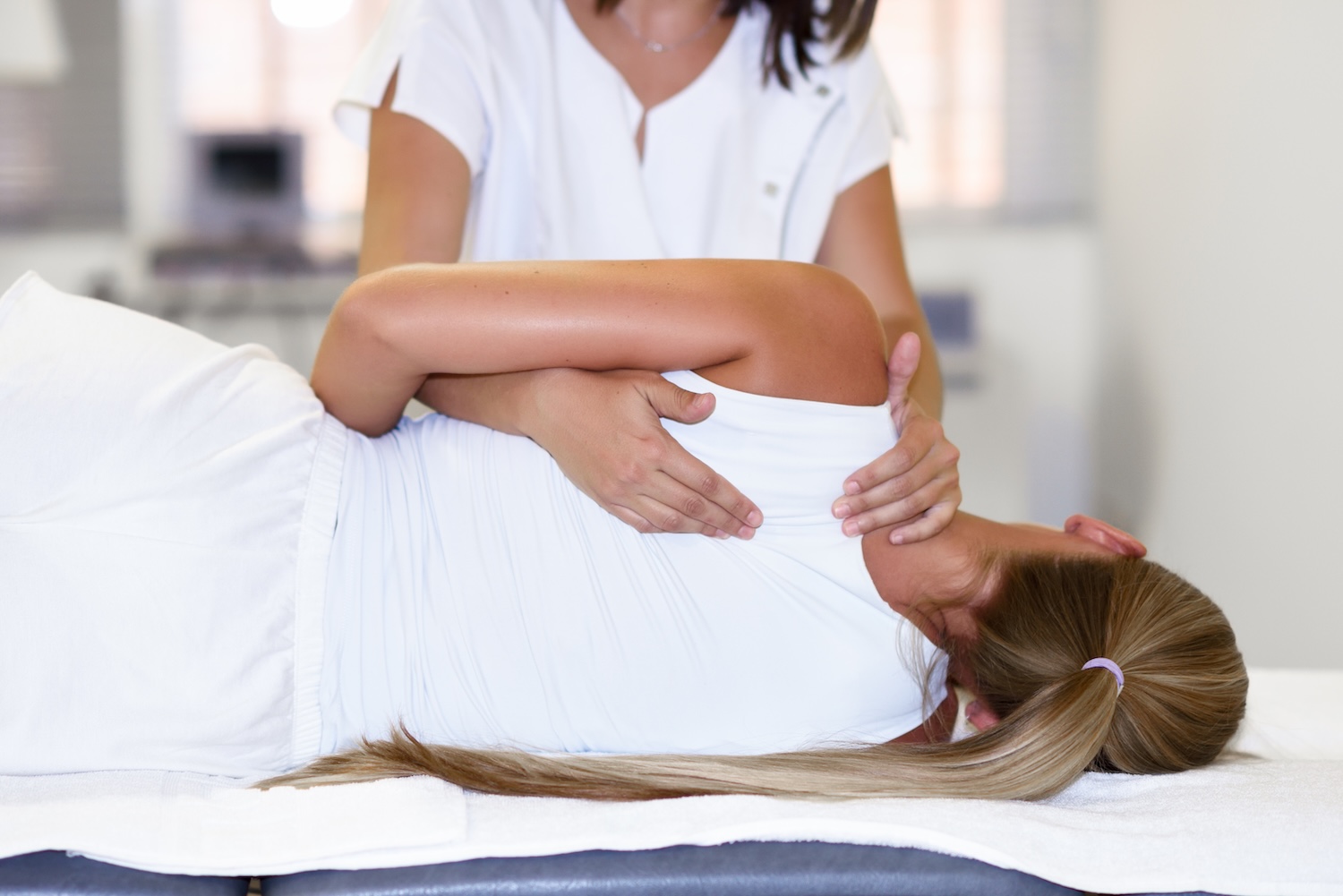
A successful operation is the first step toward recovery, while targeted rehabilitation is the next. After surgery, your body needs time and the right support to regain strength, mobility, and full function. Find out how we support you throughout your recovery and what to expect from your rehabilitation.
What Is Post-operative Physiotherapy?
Post-operative physiotherapy is a structured training and treatment program in the weeks and months after surgery. The goal is to restore mobility, strength, and everyday function so that you can gradually and safely return to your daily life, work, and, where relevant, sport. It is also known as post-operative rehab or post-operative rehabilitation.
Post-operative physiotherapy is not the same as post-operative care. Post-operative care refers to the medical and nursing support provided around the time of surgery, such as wound care, positioning, or administering medication, while physiotherapy focuses on targeted treatment and exercise.
Post-operative physiotherapy complements pre-operative physiotherapy (prehabilitation). The two go hand in hand: the pre-operative phase establishes a strong starting point, while the post-operative phase builds on that foundation.
Who Is Post-operative Physiotherapy For?
Post-operative physiotherapy is suitable after almost any orthopaedic surgery, from a cruciate ligament tear (ACL) to a total hip replacement (THR), total knee replacement (TKR), or spinal surgery. Your rehabilitation plan is tailored to the procedure you have undergone, the rehabilitation protocol provided by your surgeon, your individual starting point, and your personal goals. The following profiles cover the most common types of surgery where post-operative physiotherapy can support your recovery.
After Knee Surgery
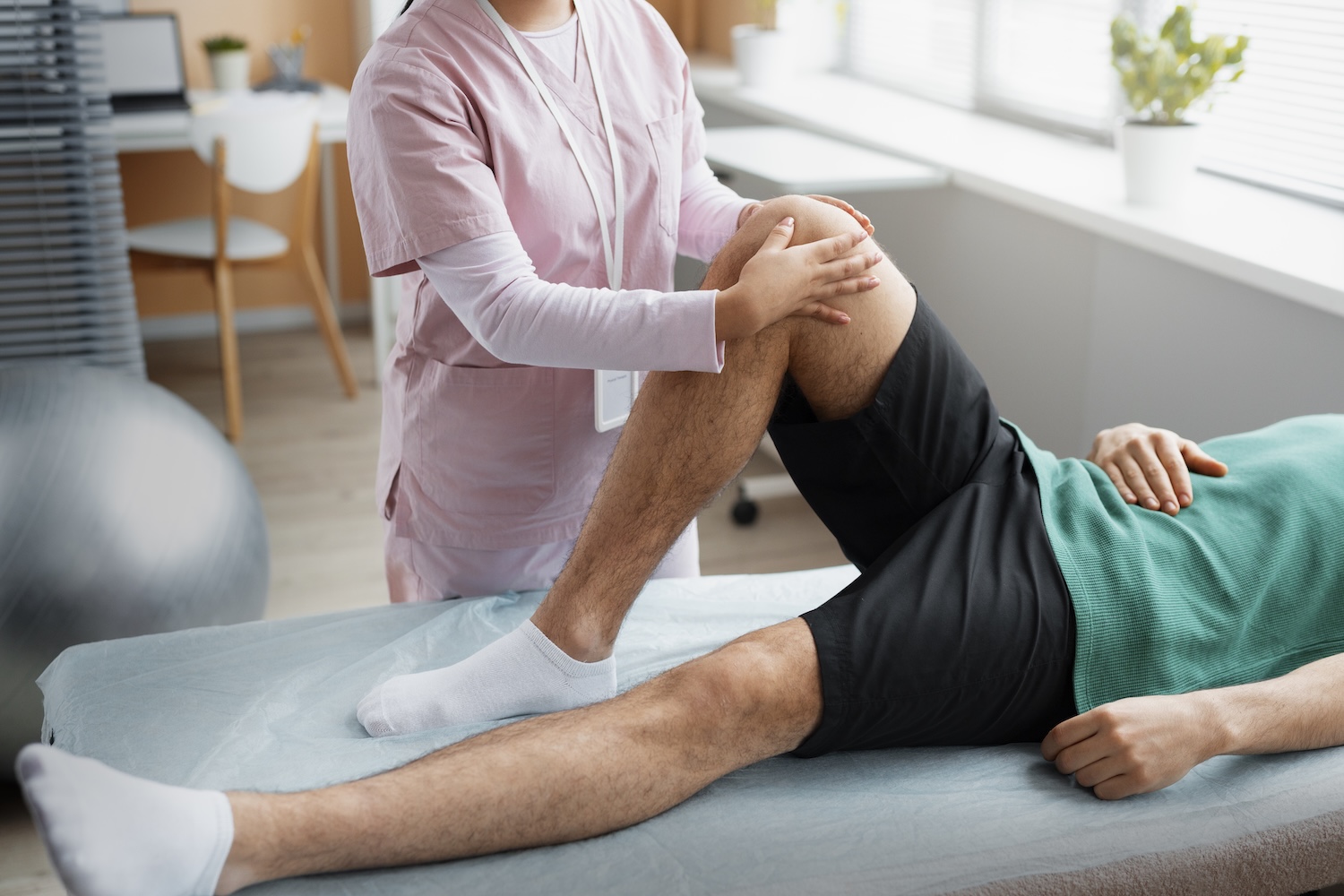
Post-operative physiotherapy after knee surgery plays a key role in systematically restoring the mobility, strength, and neuromuscular control of your knee following surgery.
This form of rehabilitation is particularly important after a cruciate ligament tear (ACL) reconstruction, a total knee replacement (TKR) for advanced knee osteoarthritis, a meniscus repair, or surgery following a PCL injury. During the early stages of rehabilitation, particular attention is paid to reducing post-operative swelling, restoring full knee extension, and safely reactivating the quadriceps muscles.
Treatment begins with effective swelling and pain management, followed by gradual mobilization within the movement limits defined by your surgeon. This is followed by progressive strengthening of the quadriceps, hamstrings, and gluteal muscles.
Through targeted neuromuscular and proprioceptive training, professional gait training, and a controlled increase in activity with precise load management, we guide you step by step back to everyday life. If you have sporting goals, a final criteria-based return-to-sport protocol helps you safely prepare to return to your sport at your previous level.
After Hip Surgery
Post-operative physiotherapy after a total hip replacement (THR) helps restore the muscles surrounding the hip, improve your gait, and regain everyday function in a structured way, while protecting the new joint during the early stages of healing.
This rehabilitation is essential for patients after a total hip replacement (THR) for advanced hip osteoarthritis (coxarthrosis), hip-preserving surgery, or surgical treatment of a hip fracture. During the first few weeks after surgery, we pay particular attention to following post-operative movement restrictions, adhering to prescribed weight-bearing limits, and reducing the increased risk of falls.
We begin with gentle early mobilization within the medically defined limits, along with professional gait training using walking aids. Building on this foundation, therapy focuses on targeted strengthening of the hip abductors and the gluteal muscles.
After Shoulder Surgery
Post-operative physiotherapy after shoulder surgery supports controlled mobilization and progressive strengthening until your shoulder regains its full range of motion and ability to bear load. This form of rehabilitation is particularly important after a shoulder replacement for advanced glenohumeral osteoarthritis, following a rotator cuff repair, or after surgery for frozen shoulder.
Because the shoulder is a highly complex joint, the entire recovery process is closely guided by your surgeon's specific rehabilitation protocol. Keeping precisely to early immobilization phases, defined movement limits, and a clear time window for the first strength building is decisive for a successful outcome.
In the early stages, we focus on effective pain and swelling management as well as gentle scar mobilization. Building on this, passive and assisted mobility exercises are introduced within the range of motion approved by your surgeon to help prevent tissue adhesions.
A key part of therapy is stabilizing the shoulder blade, followed by gradual, individually tailored strengthening of the surrounding muscles. Detailed instruction on your daily home exercises, combined with targeted work to restore everyday and sporting function, helps you regain the confidence to use your shoulder safely and comfortably in daily life.
After Spinal Surgery
Post-operative physiotherapy after spinal surgery, whether lumbar or cervical, systematically rebuilds your core musculature, improves your movement patterns to protect your back, and plays an important role in supporting long-term recovery after surgery.
This rehabilitation is particularly important after a herniated disc surgery, spinal fusion (spondylodesis) of the lumbar or cervical spine, surgical treatment for lumbar spinal stenosis, or surgical treatment of an osteoporotic or traumatic vertebral fracture. Particular attention is paid to following post-operative loading restrictions, gradually and safely restoring core function, and providing close pain management after major spinal procedures.
Physiotherapy begins with gentle early mobilization according to your individual medical clearance, along with practical training for everyday movements such as getting up, lying down, and lifting in a back-friendly way. Posture training, ongoing pain management, and a controlled progression of activity guide you step by step toward regaining your everyday function and quality of life.
After Other Orthopaedic Surgery (Ankle, Elbow, Hand, or Foot)
Post-operative physiotherapy after smaller or more localized orthopaedic procedures involving the ankle, elbow, hand, or foot helps systematically restore the mobility, strength, and function of the affected joint or tissue following surgery.
This rehabilitation may be required after a wide range of procedures, including surgery following an Achilles tendon rupture, fracture fixation of the foot or ankle, an osteochondral lesion of the talus or an osteochondral lesion of the elbow, as well as treatment for an elbow dislocation or elbow fracture.
We use targeted swelling and pain management tailored to the affected area, along with specific edema and scar treatment. This is followed by controlled mobilization within the medically approved range of movement, with professional splinting where needed.
The next stage involves progressive muscle strengthening, targeted proprioceptive training, and specialized eccentric training for tendon injuries. For procedures involving the lower limb, professional gait training helps you regain a safe and symmetrical walking pattern.
Phases of Post-operative Rehabilitation
Post-operative rehabilitation usually takes place in several phases, with the duration and content depending on the procedure, your surgeon's rehabilitation protocol, and your individual healing process. The phases below describe a typical course of rehabilitation. Your exact plan will be determined during your initial consultation.
- Early phase, pain, swelling, and first movement: During the first days and weeks, the focus is on pain and swelling management, controlled movement within the limits approved by your surgeon, and protecting the operated tissue. Home exercises are introduced and closely monitored.
- Recovery phase, mobility and strength: As soon as the healing process allows, your active range of motion is gradually increased and strength is progressively developed. Load management and your surgeon's rehabilitation protocol guide the pace of progression, while your progress is documented throughout rehabilitation.
- Load and function phase, everyday life, work, sport: As rehabilitation progresses, the goal is to restore your ability to manage everyday activities and, where relevant, gradually meet the demands of your job or sport. If you have sporting goals, this is followed by the return-to-sport phase, ideally with test-based criteria for clearance.
- Transition to the long-term phase: After completing rehabilitation, we often recommend continuing with a training program through Medical Training Therapy (MTT). This helps maintain the functional improvements you have regained and reduce the risk of re-injury.
When Should You Speak to Your Doctor First?
Post-operative physiotherapy always takes place in coordination with your surgeon. Certain situations during the post-operative phase require medical assessment before treatment can continue or a new set of exercises can be started.
Please speak to your doctor first if you experience:
- Sudden, unexplained pain or a significant increase in pain after surgery
- Signs of a wound infection, such as redness, increased warmth, pus or other discharge, Fever, or increasing swelling around the surgical wound
- Sudden, one-sided swelling of the calf or operated leg, possibly accompanied by pain or a feeling of tightness
- Shortness of breath, chest pain, or new neurological symptoms such as loss of strength, numbness, or a feeling of paralysis
- Any concerns that you may have developed a complication following surgery
Once you have been medically assessed and cleared to continue, we can safely resume your rehabilitation with a targeted approach.
Our Approach to Post-operative Physiotherapy
No rehabilitation program at PhysioWelt follows a one-size-fits-all template. Every rehabilitation program begins with a thorough assessment of your current stage of healing and your surgeon's rehabilitation protocol. From there, we develop a progressive, documented plan in close coordination with your surgeon.
- Initial consultation and medical history: The first session begins with a detailed medical history, a review of your surgical report and medical prescription. We assess your current stage of healing, the movements and levels of activity you have been cleared for, and your personal goals.
- Coordination with your surgeon: We consistently align your rehabilitation program with your surgeon's rehabilitation protocol and, where needed, communicate directly with the surgical practice to ensure that your recovery and rehabilitation progress together.
- Individual rehabilitation plan with load management: Based on your medical history and assessment, we develop a phased plan with clear milestones, documented Load Management, and home exercises. Training volume and intensity are increased in a controlled and progressive manner.
- Transition to the long-term phase and return to activity: After completing your rehabilitation, we support your transition into the long-term phase through Medical Training Therapy (MTT) or, if you have sporting goals, through sports physiotherapy. This helps maintain the functional improvements you have achieved over the long term.
Medical Responsibility

Reviewed by: Pieter Hovenga, Physiotherapist BSc, Practice Lead.
Areas of focus: orthopaedic physiotherapy, pre- and post-operative rehabilitation, Medical Training Therapy, Sports Physiotherapy. More about Pieter and the whole team on the Team page.
Last reviewed: July 2026.
Frequently Asked Questions (FAQ)
1. When should I start post-operative physiotherapy?
Usually as early as possible, often within the first week after the procedure and in some cases still in hospital. The exact start depends on the rehabilitation protocol of the operating physician and on your prescription. We recommend booking the first appointment with us as soon as the surgery date and the prescription are available, so that we can align the plan with your procedure.
2. Does health insurance cover post-operative physiotherapy?
Yes. Post-operative physiotherapy is usually billed through basic insurance (Grundversicherung OKP) once the operating physician issues a prescription (Verordnung) for physiotherapy. The number of sessions follows the prescription and the course of healing. Supplementary insurance (Zusatzversicherung) can cover further sessions where needed, and a self-pay option is also possible.
3. Do I need a doctor’s referral for post-operative rehab?
For billing through basic insurance, yes. The prescription (Verordnung) from the operating physician is the basis. For the first appointment, please bring the prescription along with the surgical report or a short summary of the rehabilitation protocol, so that we can align the plan directly with your procedure.
4. How long does rehabilitation after surgery take?
This depends strongly on the procedure. After a total knee or hip replacement, structured rehabilitation often takes three to six months, with an early phase of a few weeks and a build-up phase over several months. After a cruciate ligament reconstruction, nine to twelve months to full sporting load is common. In the first appointment, we give you a realistic estimate for your procedure. An exact rehabilitation duration cannot be guaranteed, as it also depends on individual healing.
5. When can I return to sport after surgery?
The return-to-sport phase depends on the procedure, the rehabilitation protocol, and test-based clearance criteria. After ACL surgery, nine to twelve months is common in many protocols, while after a total knee or hip replacement, a return to joint-friendly sports is often possible after three to six months. We always coordinate clearance with the operating physician, and we do not make guarantees of our own.
6. What is the difference between post-operative physiotherapy and post-operative care?
Physiotherapy is targeted training, manual treatment, and guidance to restore movement, strength, and function after surgery. Post-operative care describes the medical and nursing support, such as wound care, positioning, or medication, that is not our area. If you have already done pre-operative physiotherapy (prehabilitation), we continue directly from it in the post-operative phase.
Still have questions?
Contact us directly if there is anything else you would like to know.
Ready to Take the Next Step Toward a Pain-Free Daily Life?
During your initial consultation, we assess your current stage of healing, review your medical referral and surgical report, and plan the next stages of your rehabilitation together. A medical referral and a few key details about your surgery are all we need to create a clear plan. Book your appointment online or by phone today. We are here for you in Schlieren and the surrounding area.