Sciatica Pain: Causes, Symptoms, and How Physiotherapy Helps
Sciatica pain often radiates down the leg. Learn what causes it and how physiotherapy can help.

A sharp pain runs from your lower back, across the buttock, and down the leg, sometimes with tingling or numbness. Often the cause is an irritated sciatic nerve. In many cases, sciatica pain responds well to movement, targeted relief, and physiotherapy.
What is Sciatica?
Sciatica is pain that runs along the sciatic nerve, from the lower back through the buttock and down the leg. It usually starts with a problem in the lower back, even though you feel it mostly in the leg.
The sciatic nerve (nervus ischiadicus) is the largest in the body. It forms from several nerve roots in the lower back (the lumbar spine) and the sacrum, then runs through the buttock and down the leg. When one of these nerve roots is irritated or pinched, the pain travels along the nerve, which is why people often feel it in the leg rather than the back.
Sciatica, SI Joint, or Lumbago? The Difference
Sciatica pain usually runs down one side, from the back or buttock into the thigh, and sometimes as far as the calf or foot. Lumbago (acute low back pain) is different: it is a sudden pain in the lower back, and the pain does not radiate down the leg the way sciatica does.
Pain from the sacroiliac joint (SI joint) often sits in the pelvis or buttock. It can spread into the thigh, but it usually does not reach the foot, and it less often comes with tingling or numbness.
Causes and Risk Factors
Sciatica develops because a nerve root in the lower spine is mechanically irritated or has become more sensitive through inflammation. The exact cause shapes which treatment makes sense. Here are some of the causes of Sciatica:
Herniated Disc
A herniated disc is one of the most common causes of sciatica. The discs are soft cushions that sit between the bones of the spine. When disc material extends beyond its normal position and presses on or irritates a nearby nerve root, it can cause pain, tingling, or numbness that travels down the leg.
A bulging disc can affect a nerve root in a similar way if it extends towards the spinal canal. However, it does not always cause symptoms. It may contribute to sciatica when it presses on or irritates a nearby nerve root.

What matters is the symptoms and the physical examination, because both a herniated disc and a bulging disc can show up in people who feel nothing.
Piriformis Syndrome and Muscle Tension
The piriformis is a muscle deep in the buttock, and the sciatic nerve passes close to it. When this muscle becomes very tight, from strong tension or injuries from overusing the muscle, it can press on the sciatic nerve and set off pain in the buttock that runs down the leg, the same pattern sciatica causes. Because the spine can cause the very same symptoms, it is worth checking carefully where the pain is really coming from.
Other Causes and Risk Factors
Other possible triggers include:
- a narrowing of the spinal canal (spinal stenosis)
- age-related changes in the joints and discs
- pregnancy and the shift in load it places on the back
- less commonly, inflammation or nerve damage
Risk factors include sitting for long periods, heavy lifting, too little movement, diabetes, and higher body weight.
Symptoms and Warning Signs (Red Flags)
A typical sign is a one-sided, pulling or stabbing pain that radiates from the buttock into the leg. Tingling, numbness, or a burning feeling can come with it. Some people notice muscle weakness, for example when lifting the foot or experiencing weakness in the leg. Coughing, sneezing, or straining sometimes makes the pain worse.
During the examination, the physiotherapist checks your strength, sensation, reflexes, and movement. They may also raise your straight leg while you lie on your back, a simple check called the straight-leg raise (or Lasegue test). If this brings on your usual leg pain, it can point to an irritated nerve root.
Some signs need immediate medical attention. See a doctor right away if you develop severe or rapidly worsening leg weakness, numbness around your genitals or bottom, or if you lose control of your bladder or bowels. These can be signs of serious nerve compression and need urgent assessment.
What Helps Right Away? Self-Help and Home Remedies
Sciatica pain often eases within a few weeks to months depending on your situation. During that time, staying gently active is usually more helpful than spending all day in bed. Short walks, frequent changes of position, and gentle everyday movement can keep your back and the nerve moving, as long as they do not clearly worsen the pain.
Alongside movement, heat can help relax tense muscles in the back and buttocks. You could try a hot pack, heating pad, or warm shower, although you should be careful when applying heat if the area feels numb or your sensation is reduced. After an acute strain, placing a cold pack against the muscles for a short time may also feel soothing.
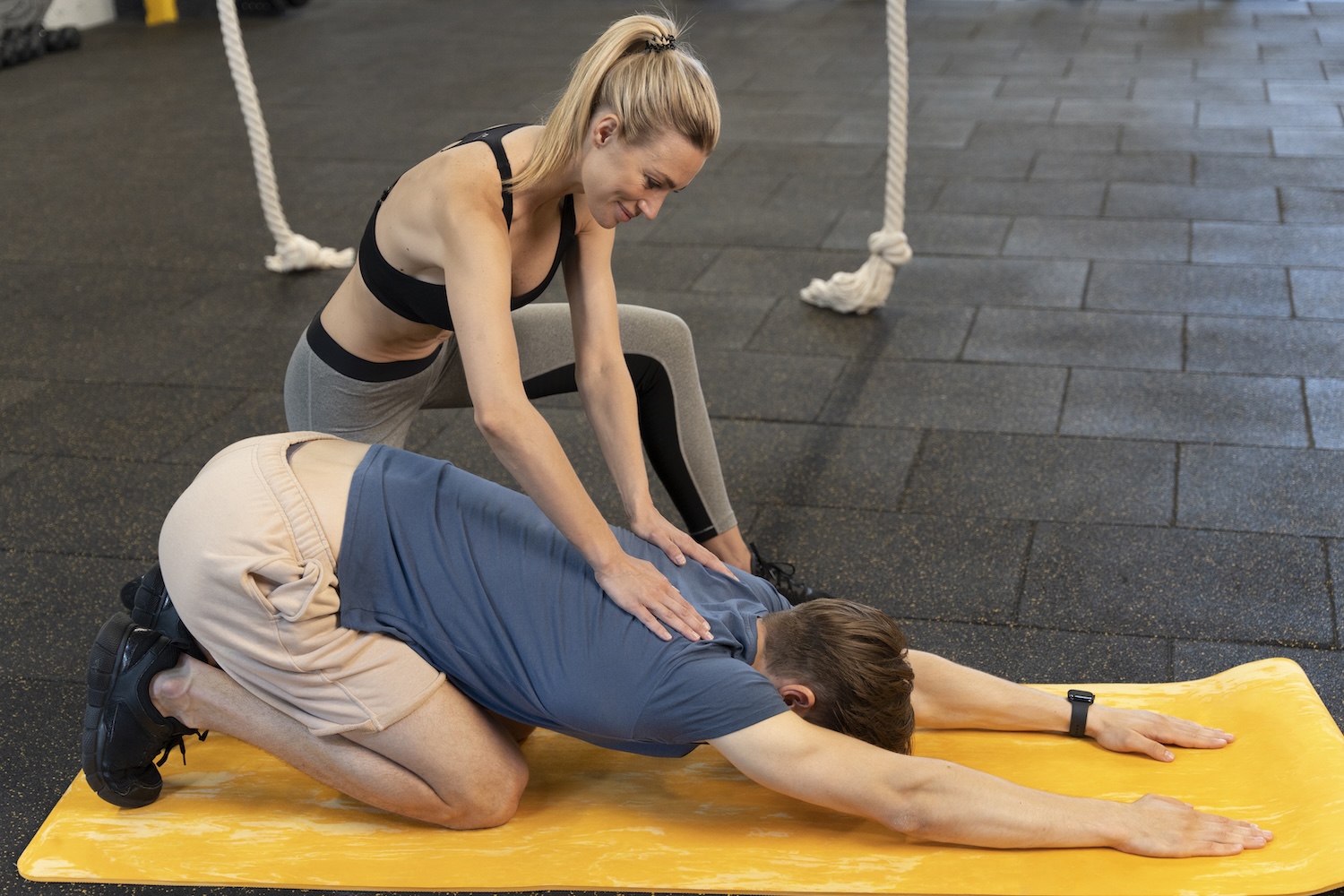
Gentle stretching can be helpful too, and a light pulling sensation is normal. However, you should stop if it causes sharper pain in the leg or new numbness.
Why Physiotherapy Helps with Sciatica
A physiotherapy assessment looks at which movements affect your symptoms, whether there are any neurological signs, and which structures might be involved. Active exercises and supporting manual techniques are built on top of what it finds.
Treatment aims to take pressure off the irritated nerve, help you get your movement back, and build up how much load you can handle, step by step. In the acute phase, pain medication can make sense after talking to your doctor. For the rest of your recovery, measured movement, targeted training, and learning to handle load safely play a central role.
Pain Relief and Mobilization with Manual Therapy
In manual therapy, the physiotherapist uses targeted hand movements to mobilize joints and soft tissue. This can make movement easier and reduce the protective muscle tension that builds up around a painful area.
During the acute phase, the intensity and starting position are chosen so that your leg pain does not increase. Over the longer term, actively building up load stays at the center of treatment.
Neurodynamics: Getting the Sciatic Nerve Moving Again
When your back and legs move, the nerves need to be able to glide against the tissue around them. When a nerve is irritated, this gliding can become restricted, and the nerve can turn especially sensitive.
Neurodynamics physiotherapy uses gentle, rhythmic nerve-gliding exercises. They are done within a range of movement that feels comfortable and are adjusted to how the nerve responds. Forcing a strong stretch into the pain would be the wrong approach here.
Releasing Tension with Dry Needling and Trigger Point Therapy
When there is significant tension in the buttock or leg, dry needling and trigger point therapy can be added to the treatment. They target painful points in the muscle, for example in the piriformis muscle.
This can reduce local tension and referred pain when the muscles are part of the problem. It does not, however, fix a compressed nerve root caused by a herniated disc.
Lasting Stability with Medical Training Therapy (MTT)
Once the acute pain settles, the focus shifts to how much load your body can handle. Medical Training Therapy (MTT) builds up the muscles of your core, hips, and legs in a targeted way. The exercises are matched to your daily life, your job, and any demands from sport.
Increasing your training load step by step makes everyday movements like bending, lifting, or walking longer distances easier, and can help stop the pain from coming back.
How to Prevent Sciatica Pain
Regular movement and strength training for your core and hips keep your back strong and resilient. If you work sitting down, change position often and get up now and then. Lift heavy objects close to your body and with bent knees, which gives you more control.
There is no single perfect posture. It is better to move through many different positions during the day and to stay active.
Sciatica Pain Can Usually Be Treated Actively
Most sciatica pain improves when you stay active, rather than waiting it out in bed. Keep moving as much as the pain comfortably allows, and see a physiotherapist if it drags on or keeps coming back. A careful assessment can pin down what is causing it and make sure there is nothing more serious behind it.
At PhysioWelt in Schlieren, we can guide you through treatment and help you rebuild your strength safely. Book an appointment whenever you are ready.
Frequently Asked Questions (FAQ)
What provides immediate relief from sciatica pain?
Keep moving with short walks and frequent changes of position. Depending on your situation, heat packs or cold packs and gentle exercises can ease the pain. If your leg pain increases, or you feel new numbness or weakness, stop exercising on your own.
How long does sciatica pain last?
Acute sciatica pain often improves within one to six weeks. If it lasts longer than twelve weeks, it is considered chronic. How it develops depends on the cause, how strongly the nerve is irritated, and how much load you can handle.
Is heat or cold better for sciatica?
Many people find heat more soothing, because it relaxes tense muscles. Cold can give short-term relief after an acute strain. Use whichever one noticeably calms your leg pain.
When should I see a doctor for sciatica?
Get medical help right away if you have paralysis, clear muscle weakness, numbness in the groin area, or problems with your bladder or bowel. Severe pain that does not ease after about a week should also be checked by a doctor.
More Articles On This Topic



Ready for the First Step Toward a Healthier You?
Don’t let pain limit you any longer! Book an appointment at our physiotherapy clinic in Zurich (Schlieren) by phone or through our online booking system.