Achilles Tendon Pain When Running: Causes and Treatment
Understand why your Achilles tendon may hurt when running and how the right treatment can help you recover and rebuild your running load.
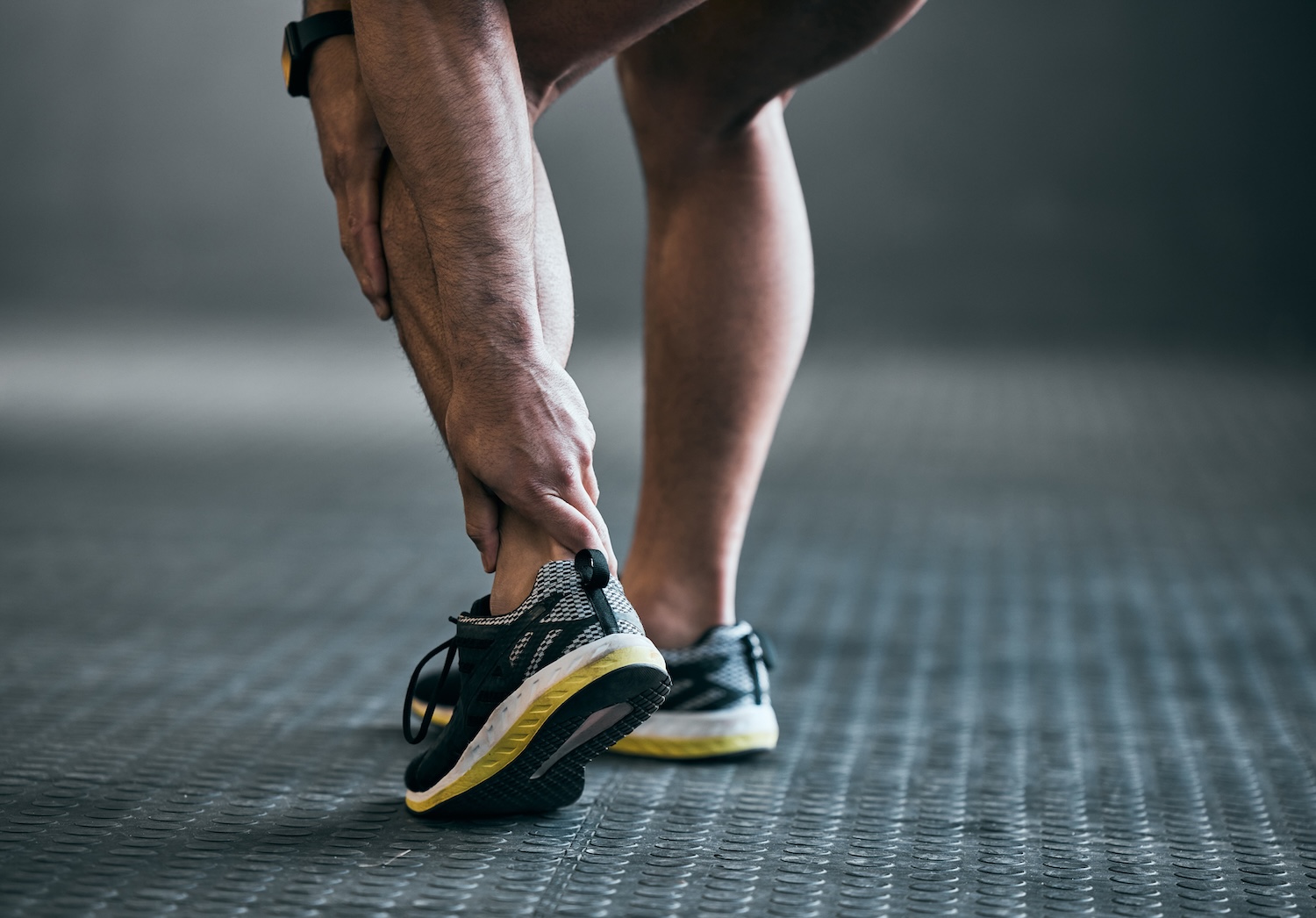
Achilles tendon pain may first appear during your morning walk or worsen as you run. As the condition becomes more pronounced, it may also affect everyday activities such as climbing stairs.
These symptoms are often associated with Achilles tendinitis, particularly when the tendon has been exposed to more strain than it can currently tolerate. Understanding what is irritating the tendon is the first step towards choosing the right treatment and returning to running at an appropriate pace.
What Is Achilles Tendinitis?
The Achilles tendon connects the calf muscles to the heel bone and is used when you walk, jump, or run. Achilles tendinitis develops when this tendon becomes irritated and inflamed, commonly after repeated or increased strain. In some cases, it may develop without any clear causes.
In medical discussions, Achilles tendinitis is also sometimes called Achilles tendinopathy. The term tendinopathy itself may be used for conditions that affect the tendon.

There are two types of Achilles tendinitis, differentiated by the part of the tendon affected. Insertional tendinitis affects the lower part of the tendon where it connects to the heel bone, while non-insertional tendinitis affects the middle part of the tendon. Because these areas may respond differently to certain exercises, ongoing pain should be assessed properly. Other ankle conditions can also produce similar symptoms.
How to Recognise an Achilles Tendon Problem
Achilles tendinitis can cause tenderness, swelling, or stiffness along the tendon. Some people also notice a creaking or grating sensation when moving the ankle. The pain may ease after the tendon warms up, but it can return later during or after activity. If this pattern continues, have the tendon assessed so you can receive appropriate treatment.
Sudden severe pain, a snapping or popping sensation, and a clear loss of strength may indicate an Achilles tendon rupture. This requires prompt medical assessment. You should also consult a doctor or physiotherapist if the pain continues to worsen, repeatedly returns, or is accompanied by considerable swelling.
Why Does the Achilles Tendon Hurt When Running?
Achilles tendon pain often develops when the running load increases faster than the tendon can adapt. A sudden increase in distance, speed, or hill running can also contribute, especially without enough time for recovery.
How your body manages that load can also make a difference. Calf weakness, poor running form, and wearing unsuitable footwear may each place additional strain on the tendon. However, their influence varies between runners, so no single factor should automatically be assumed to be the cause.
How Is Achilles Tendon Pain Treated?
Most Achilles tendon problems can be treated without surgery. Treatment aims to settle the symptoms while gradually restoring the tendon’s ability to handle walking, exercise, and running.
What to Do When the Pain Flares Up
If your pain worsens, temporarily scale back the running activities that provoke it. This may mean shortening your runs, lowering the intensity, or taking a brief break from running. Cooling the painful area may provide short-term relief, while activities such as cycling or swimming can help you stay active as long as they do not make the pain worse.
Physiotherapy for Achilles Tendon Pain
Sports physiotherapy starts by identifying which movements and training demands trigger your symptoms. The physiotherapist can then develop a strengthening programme that gradually exposes the calf and Achilles tendon to more resistance.
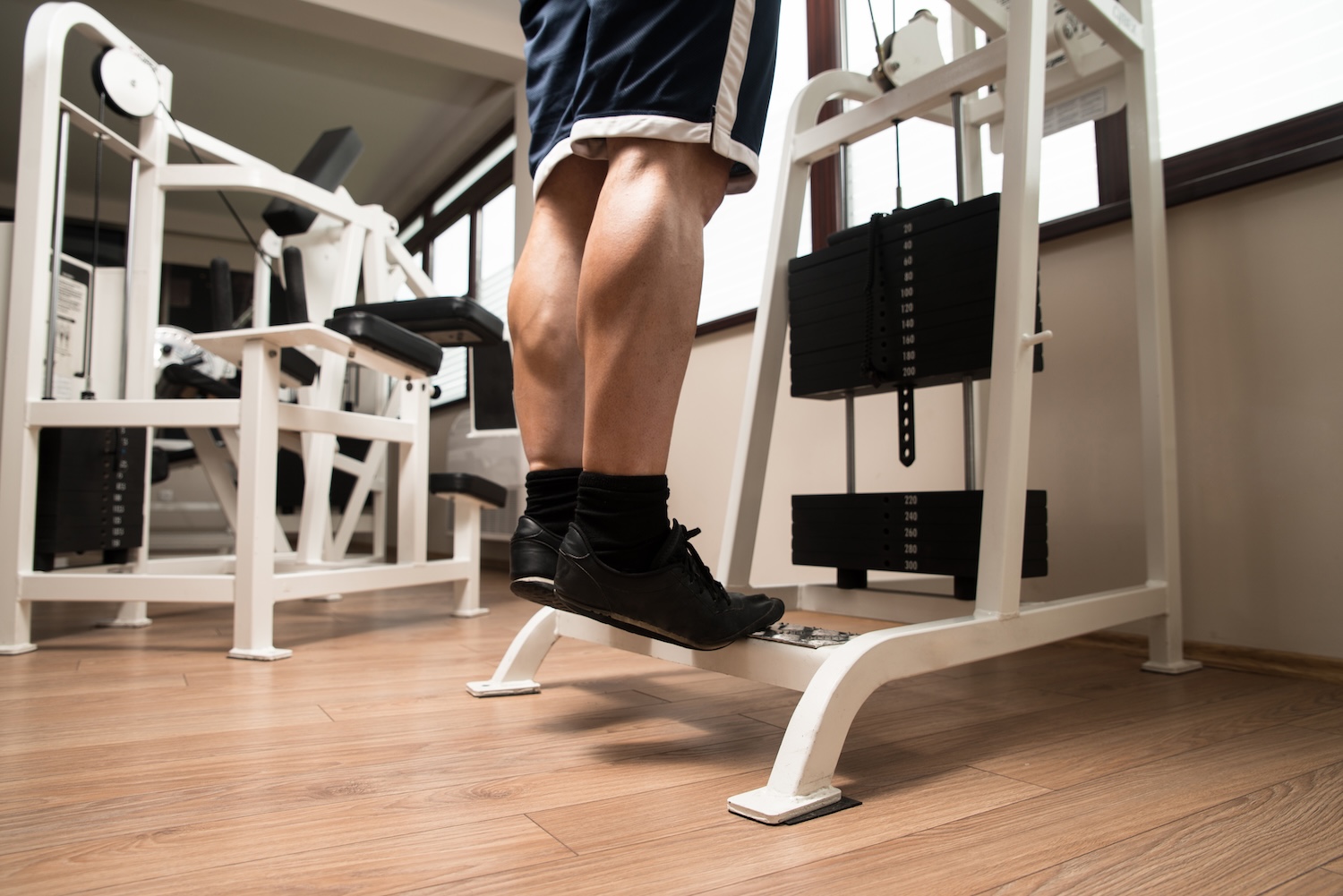
Controlled heel raises are commonly used for this purpose. However, the exercise and load must be adapted to the location of the pain and the tendon’s response.
Depending on the assessment, manual therapy, dry needling, shockwave therapy, or kinesio taping may complement the exercise programme. These treatments may help manage symptoms, while progressive strengthening prepares the tendon for greater loads.
When Can You Start Running Again?
When you can return to running depends on how well your tendon responds to activity. Once everyday activities and rehabilitation exercises feel comfortable, ease back into running with short, slow sessions at a much lower intensity than before. If discomfort remains mild and is not noticeably worse the following day, you can gradually run more.
How to Reduce the Risk of Future Flare-Ups
Build your running volume and intensity in small steps, with enough recovery between demanding sessions. Pay attention to morning stiffness or returning pain, as these signs can help you adjust your training early.
Regular calf strengthening can help the Achilles tendon continue handling the demands of running. Prepare for each session with a gradual warm-up and use stretches that feel comfortable around the heel. When changing shoes, terrain, or training style, give your body time to adapt before introducing another change.
Return to Running with PhysioWelt
Achilles tendon pain does not have to mean giving up running. At PhysioWelt in Schlieren, we assess where the tendon hurts, which activities trigger the symptoms, and how well it currently handles your daily activities. From there, we develop a physiotherapy programme that matches your condition and running goals.
If Achilles pain keeps returning or is beginning to limit your training, book an appointment with us at PhysioWelt. We will help you rebuild strength and work towards a gradual, confident return to running.
Frequently Asked Questions (FAQ)
Can I continue running with Achilles tendonitis?
Yes, you may still be able to run, but begin with a proper warm-up and keep the session light. If you feel pain during the run, stop and allow the tendon to rest. Repeated or worsening pain should be assessed by a doctor or physiotherapist before you resume training.
What exercises help with Achilles tendon pain?
Controlled heel raises are commonly used to rebuild calf and tendon strength, with eccentric heel raises being one possible variation. The appropriate technique, intensity, and progression should be determined by your doctor or physiotherapist based on your condition.
How do I know if my Achilles tendon is inflamed?
Pain and stiffness when you first begin moving are common signs of an Achilles tendon problem. The area may also feel tender, swollen, or thicker than usual. However, these symptoms do not confirm inflammation on their own, so persistent pain should be assessed properly.
Which shoes are suitable for Achilles tendon problems?
Choose shoes that fit comfortably and are designed for running. If standard running shoes do not feel supportive enough, a specialist can assess whether custom footwear or insoles may be suitable for you.
How can I prevent Achilles tendon pain from returning?
Continue strengthening the calf and increase your running load gradually after recovery. Allow time between demanding sessions and respond early if pain or morning stiffness returns. A physiotherapist can help you adjust your programme before a minor flare-up begins limiting your training again.
More Articles On This Topic


Ready for the First Step Toward a Healthier You?
Don’t let pain limit you any longer! Book an appointment at our physiotherapy clinic in Zurich (Schlieren) by phone or through our online booking system.