Proprioception and Balance Training: Why It's So Important After Injuries
After injuries, joints often remain unstable. Proprioceptive training improves balance, reaction time, and confidence in movement.
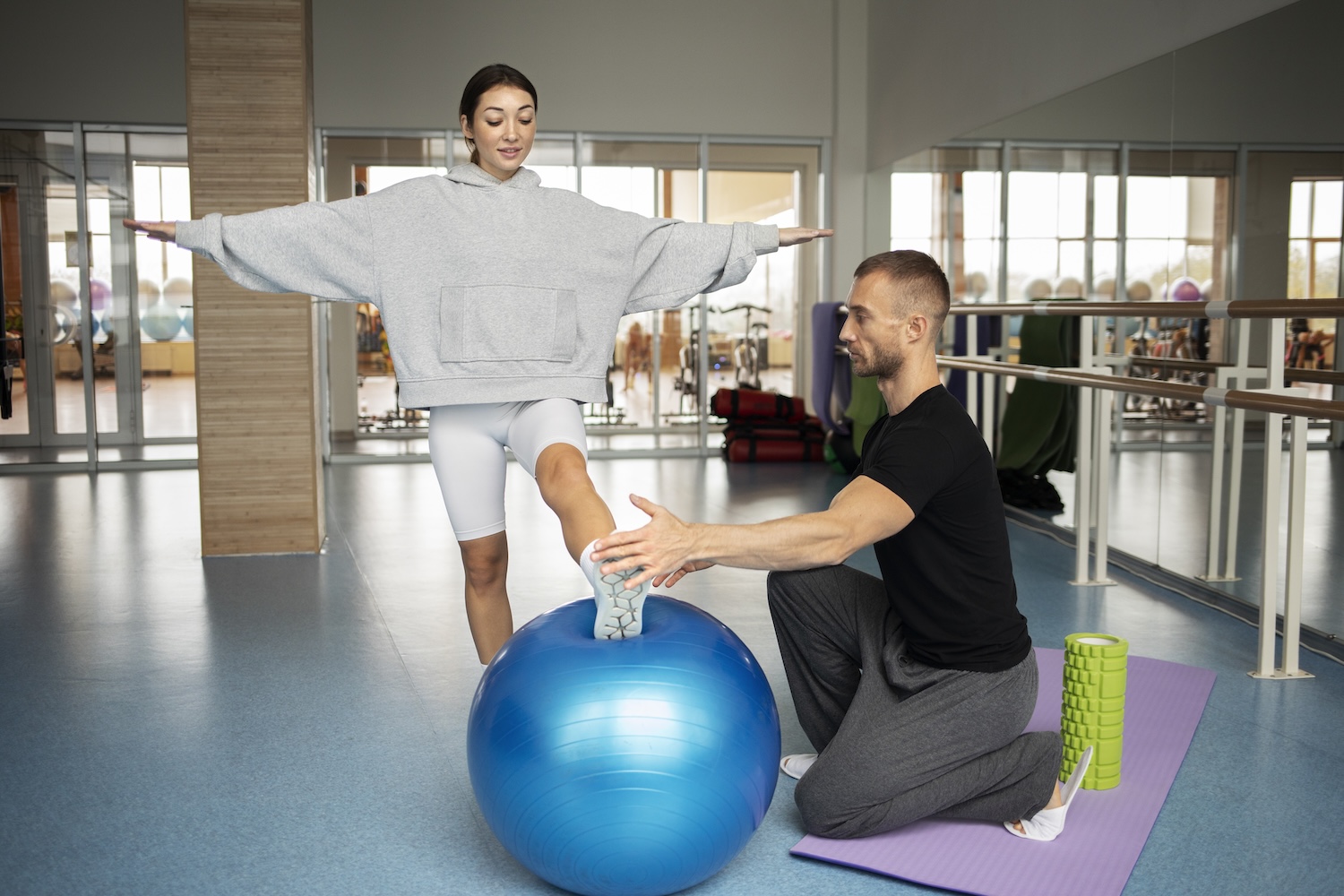
After a ligament tear, an ankle injury, or a cruciate ligament rupture, you might find that the injured joint still feels unstable long after the pain has gone. You may even feel uncertain during everyday movements, like climbing stairs, hiking, or changing direction quickly. Being free of pain and back to full strength, it turns out, is not always enough to do the things you used to do easily, like sport.
The missing piece is often proprioception, which is the body's sense of where a joint is, how it is moving, and how to react the instant something shifts. Targeted balance training can help restore this sense of joint position, improve control, and build confidence in movement.
What Is Proprioception?
Proprioception is often called the body's "sixth sense." It lets you feel where your arm or leg is without looking. This sense comes from tiny sensors in your muscles, tendons, joints, and skin that constantly track stretch, tension, pressure, and movement.
The signals from those sensors travel through the nervous system to the brain and spinal cord, where they are turned into the right muscle responses. This happens in a constant loop, so a joint can adjust and stay steady without you having to think about it. That automatic feedback is what keeps your movements coordinated and your joints protected.
How an Injury Affects Proprioception
An injury does not only harm the ligaments and joint capsule. It can also damage the tiny sensors inside them that track the joint's position, and swelling, pain, and weeks spent immobilized weaken their signals even more. So after a sprained ankle, for example, the brain is slower to notice when the joint is about to give way.
Because that warning arrives late, the muscles that steady the joint also react too slowly to catch it. To cope, people often change the way they move, shifting their weight, using the joint differently, or avoiding movements that feel risky. Over time, that is why the joint can still feel unstable long after the original injury has healed.
Why Strength Training Alone Isn't Enough Without Proprioception
Strong muscles are only useful if they switch on at the right moment and with the right amount of force. That timing does not come from strength itself, which is simply how much force a muscle can produce. It comes from coordination, the nervous system's ability to apply that force precisely, exactly when it is needed.
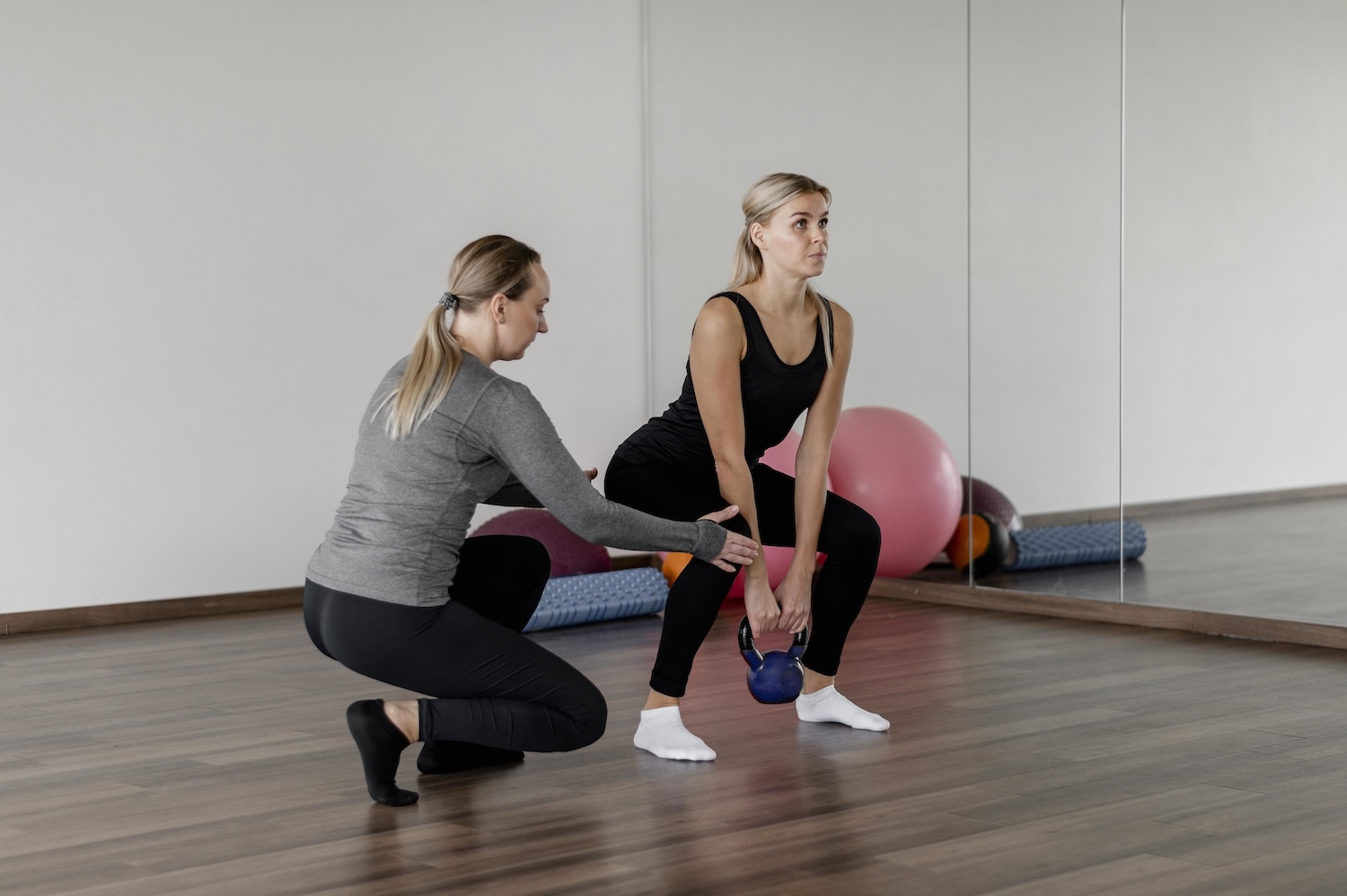
Strength training on its own does little to improve how quickly you react to an unexpected misstep or a sudden change of direction. That quick, coordinated response comes from proprioceptive training, which links perception, reaction time, and movement control.
Proprioceptive Training Benefits in Rehabilitation
Proprioceptive training, also called balance training, involves far more than standing still on one leg. Its exercises challenge the nervous system under steadily harder conditions, retraining coordination and joint stability and preparing the joint for the demands of everyday life and sport.
Depending on the assessment, techniques such as PNF therapy can be added to target specific movement patterns and muscle activation. During rehabilitation, proprioceptive training offers three main benefits:
1. Protection Against Re-Injury
A well-trained nervous system notices a change in position sooner and fires the stabilizing muscles automatically. So if your foot rolls slightly while jogging or hiking on uneven ground, those muscles can react in time to catch it. That lowers the risk of another ligament injury from a sudden misstep.
2. Less Pain Through Better Joint Control
When proprioception is impaired, people tend to move awkwardly and put uneven pressure on the joint, which irritates the surrounding tissues. Better joint control spreads that pressure more evenly and takes the strain off, so pain often eases as movement becomes smoother. It cannot undo existing damage, but it can make a worn or injured joint easier and more comfortable to move.
3. Renewed Confidence in Your Body
After a sports injury, the worry of twisting the ankle again or overloading a repaired knee often lingers. Controlled exercises let you move safely and rebuild confidence step by step. As the difficulty rises, you relearn what your body can handle, which makes going back to everyday life and activities like hiking or sport feel far less daunting.
What Balance Training Looks Like in Physiotherapy
Balance training starts with an assessment. The physiotherapist checks mobility, strength, balance on one leg, reaction time, and any differences between the two sides. From there, training usually begins on stable ground with simple weight shifts or a supported stand on one leg.
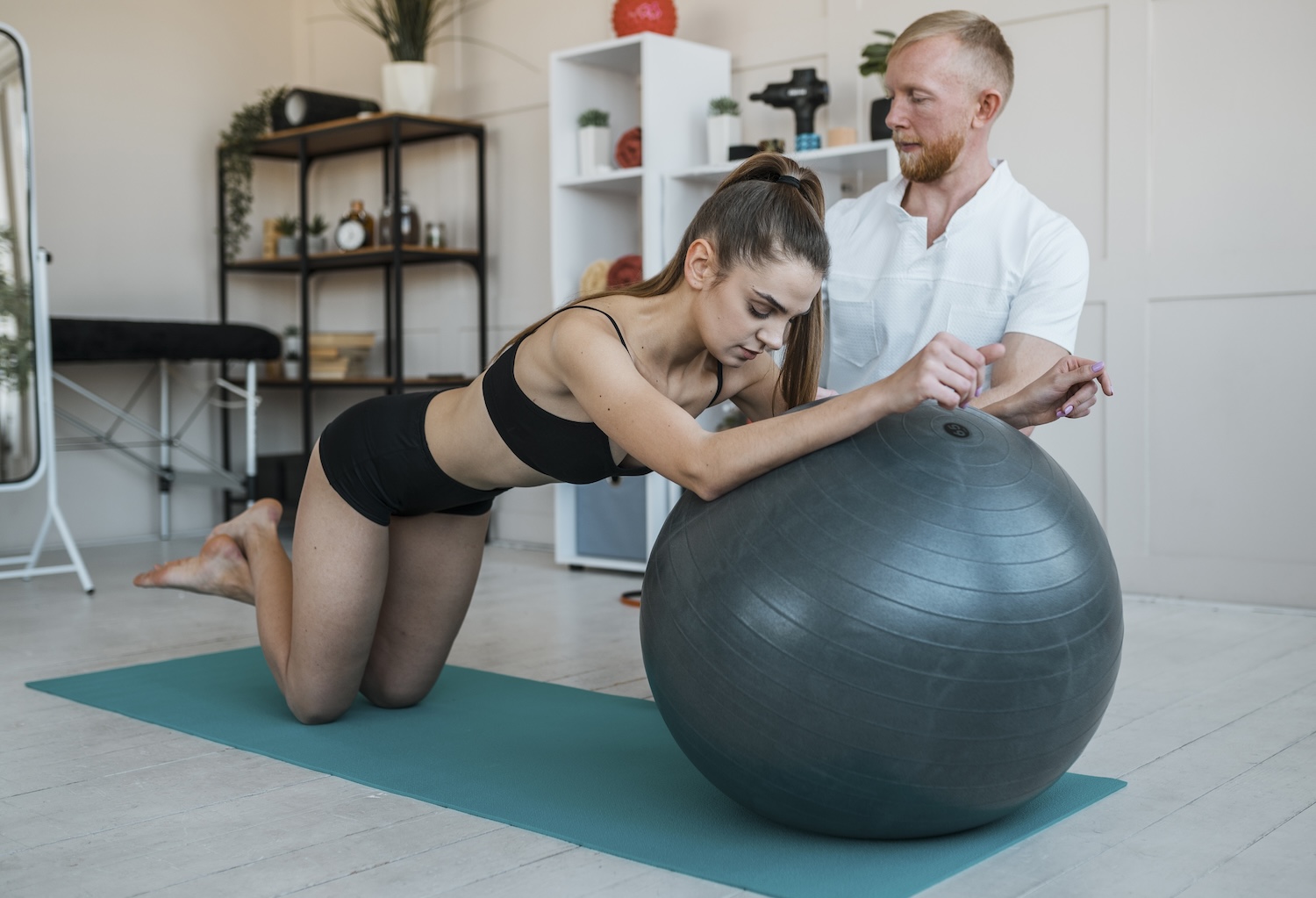
Later, the training gets harder and starts to include new challenges, such as closing the eyes, working on unstable surfaces, handling deliberate nudges, and adding jumps, landings, and changes of direction. In sports rehabilitation, these exercises are matched to the demands of your sport, such as quick stops in tennis or uneven ground in trail running. Progression follows one rule. An exercise only becomes more difficult once you can do it cleanly and without real discomfort.
Give Your Joints the Attention They Deserve
After an injury, a joint needs more than mobility and strength. It needs reliable control from the nerves and senses that guide it. Targeted balance and coordination training rebuilds that control and supports a safe return to sport. For a professional assessment, you can schedule an appointment at any time, or contact us with any questions.
Frequently Asked Questions (FAQ)
How long does it take for proprioception to improve after an injury?
With regular training, improvement is often noticeable within several weeks. Building a joint that feels fully stable and ready for sport takes longer, and how long depends on the injury, any surgery, and how much you train.
Can I do the balance training on my own at home?
Simple exercises, like standing on one leg while you brush your teeth, are fine to do at home. After a serious injury, surgery, or repeated ankle sprains, the training should first be assessed and supervised by a therapist.
Does proprioceptive training help with arthritis or in older age?
Yes. Balance and reaction training can lower the risk of falls in older age. With osteoarthritis, better muscle control supports the joint and can make everyday activities more comfortable.
What is the difference between coordination and proprioception?
Proprioception is the body's sense of position, movement, and tension. Coordination is what you do with that information, carrying out a movement smoothly and in the right order. In short, proprioception is the sensing, and coordination is the doing.
When can I fully return to training after a sports injury?
Being pain-free and strong again is not enough on its own. Functional tests often look for around 90 percent symmetry between the two sides, though no single test decides it on its own. A safe return also depends on movement quality, reaction time, how well the joint copes with your sport's demands, and the judgment of your treatment team.
More Articles On This Topic

Ready for the First Step Toward a Healthier You?
Don’t let pain limit you any longer! Book an appointment at our physiotherapy clinic in Zurich (Schlieren) by phone or through our online booking system.