Hip Impingement (FAI): Causes, Symptoms, and Treatment
Hip impingement can make bending and turning the hip painful. Learn what causes it, which symptoms to recognise, and how treatment can help.
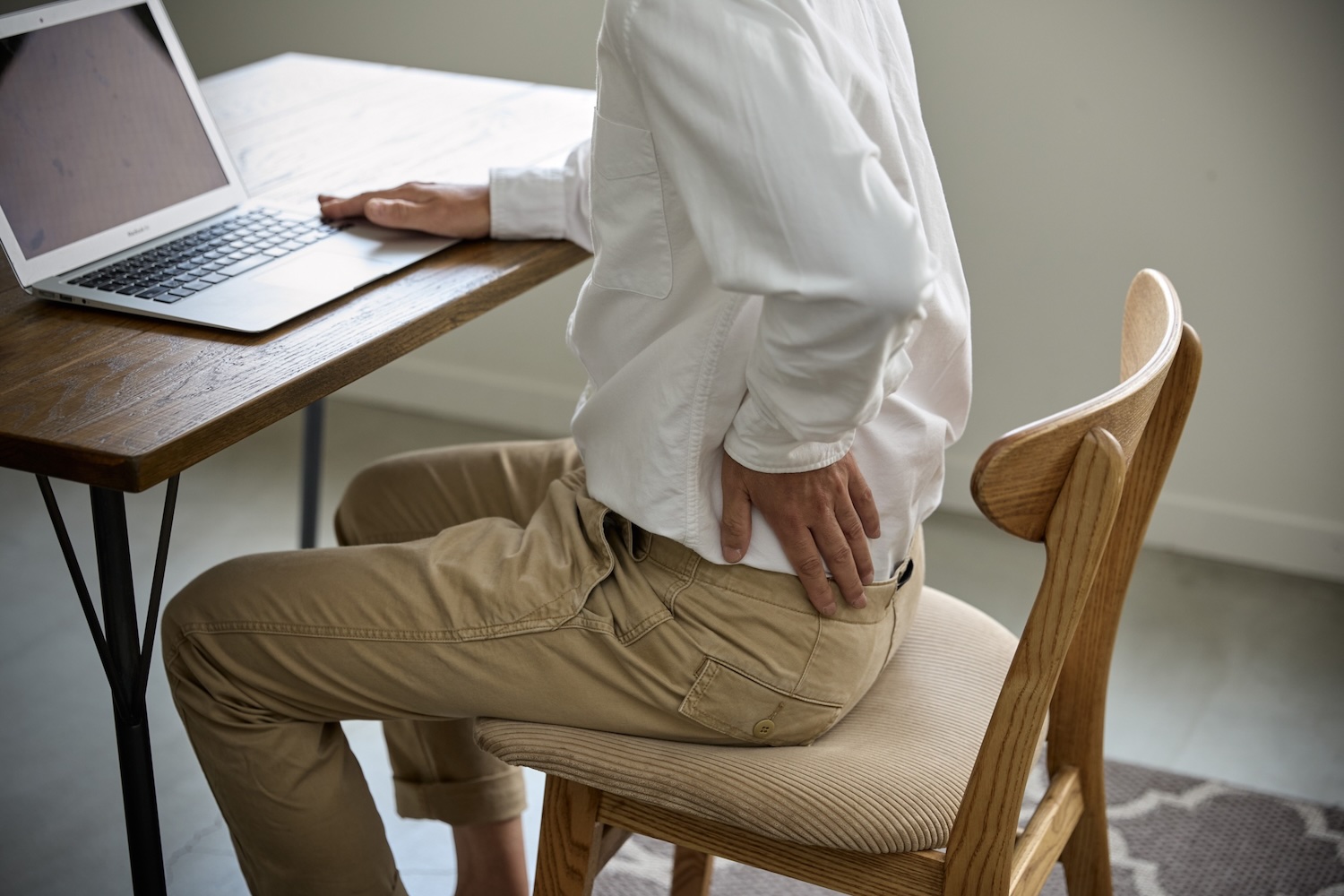
Groin pain when getting into a car or discomfort after sitting for a long time may be signs of hip impingement. These symptoms are particularly common among younger, physically active people, but they can have other causes as well.
A careful assessment is therefore important before treatment begins. In many cases, symptoms can be reduced through physiotherapy and suitable changes to physical activity. Together, these measures can make everyday movement and sport more comfortable.
What Is Hip Impingement (FAI)?
FAI stands for femoroacetabular impingement. It describes extra contact between the upper thigh bone and the edge of the hip socket, particularly when the hip bends or turns inward. This contact may result from the shape of the upper thigh bone, the hip socket, or both.
Repeated contact can place strain on the labrum, the ring of cartilage around the hip socket, as well as the cartilage covering the joint. However, an unusual bone shape alone does not mean that someone has FAI syndrome. The diagnosis requires matching symptoms, findings from a physical examination, and changes visible on medical imaging.
What Are the Types of Hip Impingement?
Hip impingement is commonly divided into cam, pincer, and combined types. The type depends on which part of the joint creates the extra contact.
1. Cam Impingement
Cam impingement occurs when the connection between the ball of the hip and the neck of the thigh bone is less rounded than usual. During deep hip bending, this area may press against the edge of the socket and place strain on the cartilage. Cam-type changes are seen more often in young men who take part in intensive sport.
2. Pincer Impingement
Pincer impingement occurs when the hip socket covers more of the ball than usual. As a result, the edge of the socket contacts the neck of the thigh bone sooner when the hip moves. The contact can place particular pressure on the labrum around the socket.
3. Combined Impingement
Combined impingement includes features of both cam and pincer types. This combination is common, but the appearance of the joint does not show how severe the symptoms will be. Some people have clearly visible changes on an X-ray without experiencing any pain.
How Does Hip Impingement Develop?
The hip shapes associated with FAI may be present from birth or develop gradually as the bones grow. These changes are seen more often in young athletes whose activities repeatedly involve deep hip bending, squatting, or twisting. However, taking part in sport does not mean that someone will necessarily develop FAI syndrome.
The shape and mobility of the hip can influence which movements bring the bones into contact. Repeated bending or rotation may then trigger symptoms in some people.
What Are the Typical Symptoms of Hip Impingement?
Hip impingement most often causes deep pain in the groin. The pain may appear during everyday activities or in sports. Movements that deeply bend the hip or turn it inward are common triggers.
Some people also notice a pinching or snapping sensation in the hip. When describing the painful area, they may place their hand around the front and side of the hip, forming a “C” with their thumb and fingers.
When Should Hip Pain Be Assessed?
Arrange a medical assessment if the pain persists, keeps returning, or interferes with daily activities. Groin pain can come from the tendons, lower back, hip joint, or other nearby structures, so an examination may be needed to identify the cause.
New or severe pain at rest or during the night should be checked promptly. Seek urgent medical attention if the pain follows an accident, occurs with a fever, or makes it difficult to put weight on the affected leg.
How Is Hip Impingement Diagnosed?
Diagnosis usually begins by assessing hip movement, muscle strength, and the positions that cause pain. The examination may include the FADIR test, in which the clinician bends the hip, moves the leg towards the centre of the body, and turns it inward. A positive result means that this movement brings on the person’s usual hip pain. However, other hip problems can cause the same response, so the test cannot confirm FAI syndrome on its own.
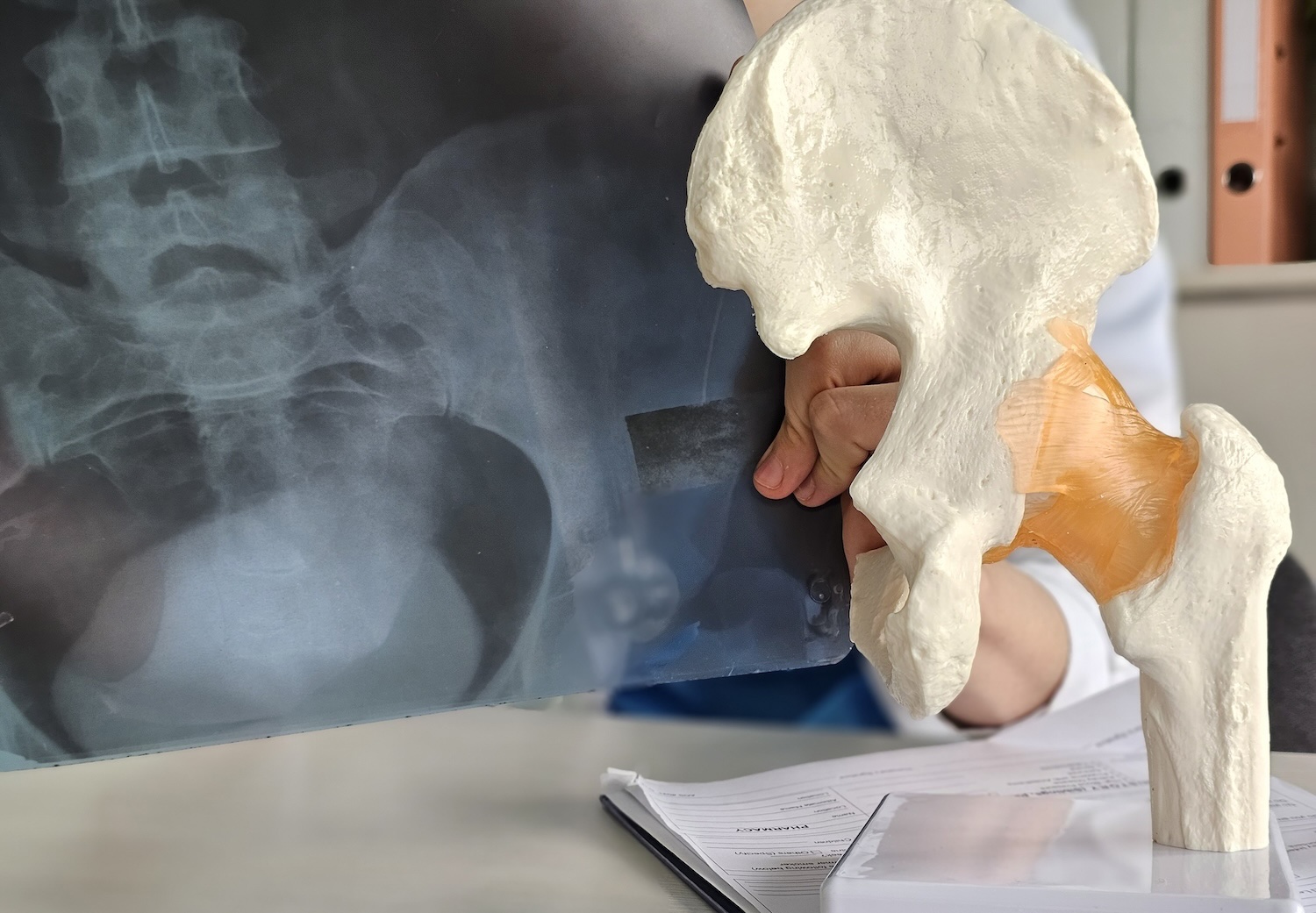
Because physical tests cannot confirm FAI syndrome on their own, imaging may be used to examine the joint more closely. X-rays show the shape of the bones, while an MRI provides more detail about the labrum and joint cartilage. In some cases, contrast fluid is added during the MRI to make these structures easier to see. The final diagnosis combines the symptoms, examination results, and imaging findings.
Why Does Non-Surgical Treatment Usually Come First?
Non-surgical treatment usually comes first because symptoms can often improve without an operation. The plan may involve temporarily adjusting activities that cause pain. A structured strengthening program can then help the hip manage everyday movement and sport more comfortably.
If additional pain relief is needed, a doctor may recommend anti-inflammatory medication. An injection into the hip joint may also be considered. The results vary between individuals, and relief from corticosteroid injections is often temporary.
How Can Physiotherapy Help with Hip Impingement?
Physiotherapy begins by identifying which movements cause pain and why they may be difficult. Your physiotherapist may examine hip mobility, muscle strength, and your walking pattern.
The findings are then used to create an exercise program suited to your symptoms and goals. Treatment often strengthens the hip and buttock muscles while improving control during everyday and sporting movements. As your strength and control improve, the exercises gradually become more challenging.
The program may also include manual therapy or gentle stretching if stiffness or tight muscles contribute to the pain. Positions that cause painful pinching should not be forced. When you are ready for more demanding exercise, Medical Training Therapy can guide the next stage under professional supervision.
When Is Surgery Considered?
Hip arthroscopy may be considered when symptoms remain severe despite non-surgical treatment. It may also be an option when a labral tear is present. During the procedure, the surgeon can remove bone that is creating extra contact. The surgeon may also repair the labrum or remove damaged tissue.
Both guided non-surgical treatment and surgery can improve pain and function. However, the outcome varies between individuals, and surgery does not help everyone equally. Recovery also takes time, with activity gradually increased after the procedure.
Managing Hip Impingement in Everyday Life
Changing how you sit can reduce pressure and pinching in the hip. A higher chair, stool, or firm cushion keeps the hips above the knees and reduces deep bending. It can also help to change position regularly or stand for short periods during the day.
You can usually remain active, although movements that increase your pain may need to be modified. Walking or swimming may be more comfortable, while running or repeated twisting may be painful. If you cycle, sitting more upright may reduce how deeply the hip bends. Adjust the activity and its intensity according to how your symptoms respond.
Get the Right Support for Hip Impingement
Hip impingement is one possible cause of persistent groin pain, particularly in active people. An assessment can help identify the likely cause of your symptoms and guide the next stage of treatment. Targeted physiotherapy can improve strength and movement control while gradually preparing the hip for greater physical demands.
If hip pain is affecting your daily activities or sport, PhysioWelt in Schlieren can help you plan the next step. You can contact our team or book a physiotherapy appointment directly.
Frequently Asked Questions
Can hip impingement go away?
The bone shape associated with hip impingement does not usually change. However, pain and limited movement can improve with suitable exercise, physiotherapy, and adjustments to activities that trigger symptoms.
What should I do if I have hip impingement?
Temporarily reduce movements that cause severe pain. Continue with activities that remain comfortable and arrange an assessment if the symptoms persist or keep coming back.
Which sports are suitable for hip impingement?
Walking and swimming may be more comfortable because they require less hip bending than some other activities. Cycling may also remain possible with a more upright position.
Does hip impingement cause osteoarthritis?
Not everyone with hip impingement develops osteoarthritis. Certain cam-type hip shapes are associated with a higher risk. However, it remains unclear whether physiotherapy or surgery can prevent osteoarthritis from developing later.
How long does physiotherapy for hip impingement take?
There is no fixed duration that applies to everyone. Your physiotherapist will review your symptoms, strength, and movement regularly. The program can then be adjusted as you make progress and return to your usual activities.
More Articles On This Topic

Ready for the First Step Toward a Healthier You?
Don’t let pain limit you any longer! Book an appointment at our physiotherapy clinic in Zurich (Schlieren) by phone or through our online booking system.