Patellofemoral Pain Syndrome: Causes and Treatment
Learn why the front of the knee may hurt during stairs, running, or prolonged sitting, and which exercises can help improve its capacity.
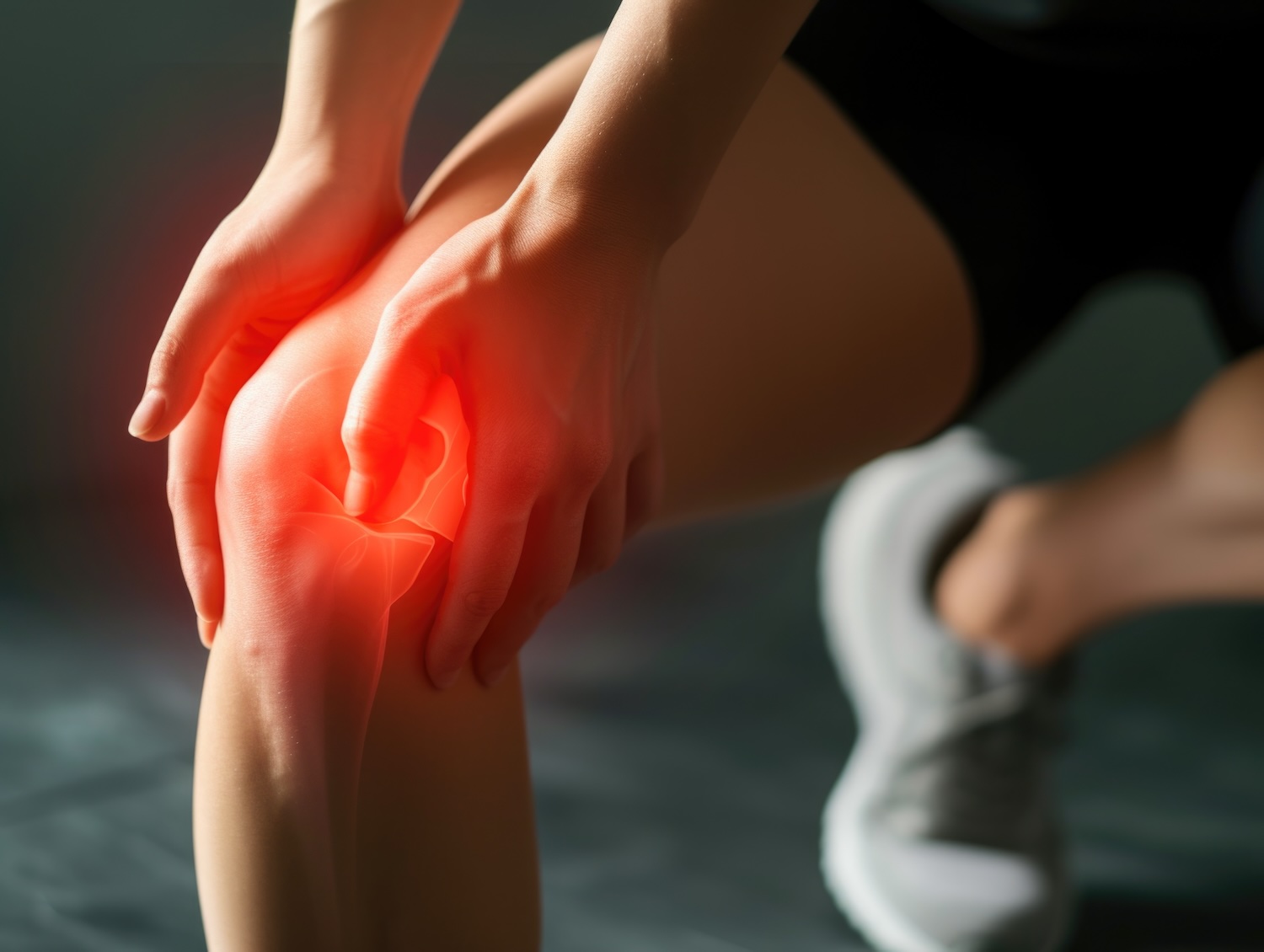
Pain around the kneecap may become noticeable when climbing stairs, standing up after sitting for a long time, or running. These symptoms can indicate patellofemoral pain syndrome.
The condition often affects younger, active people, but it can also occur without intensive sport. Understanding what contributes to the pain is the first step towards choosing suitable treatment.
What Is Patellofemoral Pain Syndrome?
Patellofemoral pain syndrome, or PFPS, is a condition affecting the joint where the kneecap meets the thigh bone. It typically causes pain around or behind the kneecap.
As the knee bends and straightens, the kneecap moves across the end of the thigh bone, placing pressure on the joint between them. This pressure increases during activities such as running, squatting, and climbing stairs. Repeating these activities beyond the knee’s current capacity may lead to pain.
PFPS is sometimes called runner’s knee, but not all knee pain in runners comes from this condition. For example, pain mainly on the outside of the knee may involve the iliotibial band, a thick strip of tissue along the outer thigh. Looking at the location, triggers, and overall pattern of knee pain helps distinguish PFPS from other conditions.
What Are the Typical Symptoms of PFPS?
Patellofemoral pain usually develops gradually and may affect one or both knees. The pain can be difficult to pinpoint because it often spreads around or behind the kneecap.
Common symptoms include:
- A dull pain at the front of the knee or behind the kneecap.
- Increased pain during walking up the stairs, jumping, or walking downhill.
- The “cinema sign,” where discomfort develops after sitting with the knee bent for a long time.
The knee may also make grinding or rubbing sounds during movement. Although these sounds can be unsettling, they do not necessarily mean that the cartilage is damaged. Noticeable swelling, however, is less typical of PFPS and should be medically assessed for another possible cause.
What Causes Patellofemoral Pain Syndrome?
PFPS usually develops through a combination of physical and training-related factors. Muscle strength, leg movement, and joint mobility can affect how pressure passes through the knee. Changes in training can also expose the joint to more activity before it has had enough time to adapt.
Two important areas to consider are:
1. Muscle Strength and Leg Movement
In some people, PFPS is linked to reduced muscle strength or less control of the leg during movement. The thigh and hip muscles help steady the leg when landing or squatting. If this control is reduced, the knee may move inward. Limited joint mobility or excessive inward rolling of the foot may also affect the knee’s position.
The shape of the joint may also be relevant in individual cases. For example, the kneecap may sit higher than usual, or the groove in the thigh bone may be shallower. These features can also occur without causing pain, so they are only relevant when they match the person’s symptoms and examination findings.
2. Training Load and Sudden Changes
Sudden changes in training can expose the knee to more strain than it is ready to manage. This may happen when you increase your running distance or intensity, add long downhill sections, or return to sport after a break. The same pattern is seen in many common sports injuries because the body has not had enough time to adapt.
Training conditions can also change the demands placed on the knee. New footwear, a different surface, or an unfamiliar exercise routine may all be relevant. Reviewing these recent changes can show which parts of your training need to be reduced or reintroduced more gradually.
How Is Patellofemoral Pain Syndrome Diagnosed?
PFPS is usually diagnosed based on your symptoms and a physical examination. The assessment begins with questions about where the pain occurs, which activities trigger it, and whether your training has recently changed. A doctor or physiotherapist will then assess how the knee moves and how well the surrounding muscles support it.
You may also be asked to perform squats or controlled step-downs. These movements can bring on your usual pain and show how your leg moves under strain.
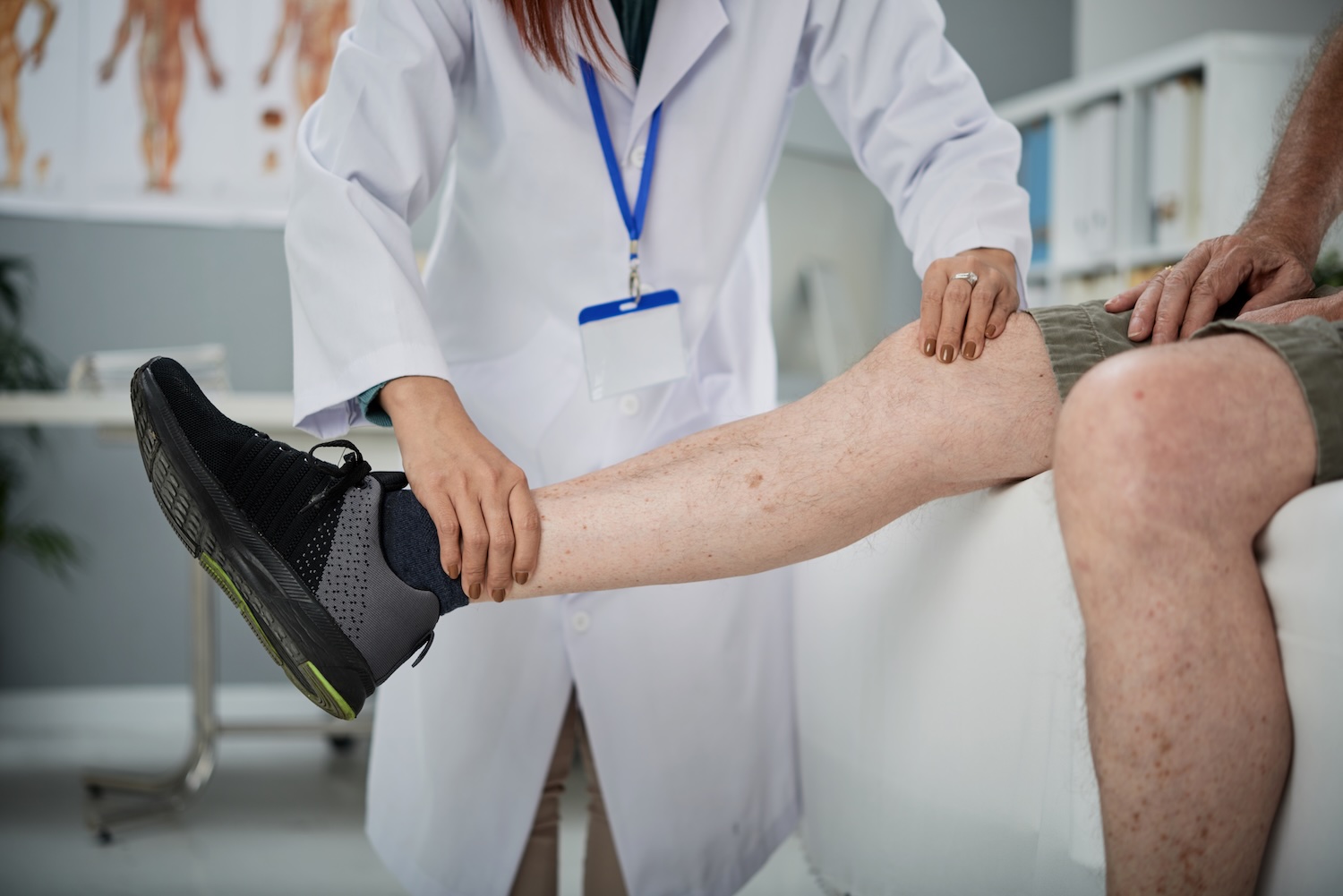
When the symptoms clearly match PFPS, X-rays and MRI scans are not usually needed. Imaging may be useful if the diagnosis remains unclear or another condition is suspected, such as a meniscus injury or osteoarthritis. Medical assessment is also important after an accident or if the knee becomes significantly swollen. You should also have it checked if it locks in place or feels unstable during movement.
How Is Patellofemoral Pain Syndrome Treated?
Treatment for PFPS usually focuses on exercise and adjustments to physical activity. A targeted exercise program helps build strength around the knee and hip. At the same time, guidance on training load helps you remain active without repeatedly increasing the pain. Most people do not need surgery.
Surgery may only be considered when severe symptoms continue for at least six months despite suitable non-surgical treatment. A clear structural problem that can be treated surgically must also be present. Repeated kneecap dislocations are assessed separately because they are a different condition.
How Should You Adjust Physical Activity?
Start by reducing movements that clearly increase your knee pain. This may mean doing a shallower squat, fewer jumps, or avoiding long downhill routes for a while. Flat cycling or swimming can help you remain active if these activities are comfortable.
If the knee becomes irritated after activity, cooling may provide short-term relief. However, it does not replace the exercise program needed to rebuild strength and capacity.
Mild pain during exercise may be acceptable if it settles quickly. If the pain increases significantly or remains worse the following day, the activity was probably too demanding. Reduce the duration and intensity before trying again.
How Can Physiotherapy Help with PFPS?
Physiotherapy helps reduce knee pain by improving strength and addressing activities that repeatedly increase the symptoms. The treatment plan is based on the findings from your physical examination and the activities you want to return to.
Treatment usually includes a gradual strengthening program for the thigh and hip muscles. It may also include guidance on adjusting training while the knee recovers. For runners, sports physiotherapy may involve changes to running distance and technique.
Short-term treatments can be added when they make exercise more comfortable. If restricted movement or sensitive tissue is contributing to the pain, manual therapy may also be included to support the strengthening program.
Taping and Knee Braces
Taping can be added when short-term pain relief makes exercise easier. Depending on your symptoms, a physiotherapist may use firm tape or elastic Kinesio tape around the kneecap.
If an exercise program has not provided enough improvement after six to twelve weeks, a knee brace or insole may also be considered. These options can support the treatment, but the main focus remains on active exercise.
Exercises for Patellofemoral Pain Syndrome
Exercise is a central part of treatment for PFPS. A training program often strengthens the thigh and hip muscles while improving control of the knee. The following exercises are common examples.
1. Side Plank
Lie on your side and support your upper body on your forearm. Lift your hips until your body forms a straight line, then lower them with control. This exercise strengthens the muscles along the side of the hip.
2. Monster Walk
Place a resistance band above your knees and bend your legs slightly. Take small diagonal steps forwards and backwards while keeping tension in the band. Keep your knees aligned with your feet throughout the movement.
3. Step-Down
Stand on a low step with one foot close to the edge. Slowly lower the other foot towards the floor, then return to the starting position. Keep the standing knee steady and prevent it from moving inward.

The number of repetitions and level of resistance should match your current symptoms. Medical Training Therapy can help you progress the exercises safely under professional supervision.
Improve Knee Pain with Gradual Training
Patellofemoral pain often improves when painful activities are adjusted, and strength is rebuilt gradually. Recovery may take time, particularly when the symptoms have been present for several months. A clear exercise plan can help you return to normal activity without repeatedly increasing the pain.
If knee pain is limiting your daily life or sport, PhysioWelt in Schlieren can provide an individual assessment and treatment plan. You can contact our team or book a physiotherapy appointment directly.
Frequently Asked Questions
How long does patellofemoral pain syndrome last?
Some people notice improvement within a few weeks. A structured exercise program usually begins with a period of six to twelve weeks. However, symptoms may continue for several months or longer. Returning to full activity too quickly can increase the pain again.
Can I continue running with PFPS?
Often, yes, but you may need to adjust your training temporarily. Begin by reducing your distance and pace while also choosing flatter routes. Monitor the pain during the run and the following day. Reduce the training further if the symptoms clearly increase.
Can PFPS lead to osteoarthritis?
PFPS does not necessarily lead to osteoarthritis. Researchers are investigating a possible connection, but there is no evidence that one condition always progresses into the other.
Can a knee brace help with PFPS?
A knee brace may provide short-term relief for some people. However, research has not shown a reliable benefit for everyone with PFPS. A brace can complement treatment, but it does not replace strengthening exercises.
Why does my knee hurt after sitting for a long time?
Keeping the knee bent for a long time can increase strain around the kneecap. The discomfort may ease when you change position, stand up, or straighten your leg. This pattern is sometimes called the cinema sign.
When should I see a doctor about pain at the front of my knee?
Seek medical advice if the pain began after an accident or occurs with significant swelling. An assessment is also important if the knee locks, repeatedly gives way, or causes severe pain at rest or during the night. Pain that does not improve after several weeks should also be checked.
More Articles On This Topic

Ready for the First Step Toward a Healthier You?
Don’t let pain limit you any longer! Book an appointment at our physiotherapy clinic in Zurich (Schlieren) by phone or through our online booking system.