
Hip Replacement: Surgery, Recovery, and Rehabilitation
Learn what happens before and after hip replacement surgery, including preparation, rehabilitation, and your gradual return to everyday activities.

Persistent hip pain can make walking, getting dressed, and even sleeping difficult. When conservative treatment no longer provides enough relief, a hip replacement may be considered to reduce pain and improve joint function.
Knowing what happens before and after surgery can make the process feel more manageable. This article explains how a hip replacement is performed, how to prepare, and what to expect during rehabilitation.
What Is a Total Hip Replacement?
A total hip replacement, also called total hip arthroplasty, is an operation that replaces the damaged parts of the hip joint. During the procedure, the surgeon removes damaged bone and cartilage while preserving as much healthy bone as possible. A replacement socket is then fitted into the pelvis, while a metal stem with an artificial ball is placed in the top of the thigh bone. Together, these components form the new hip joint.
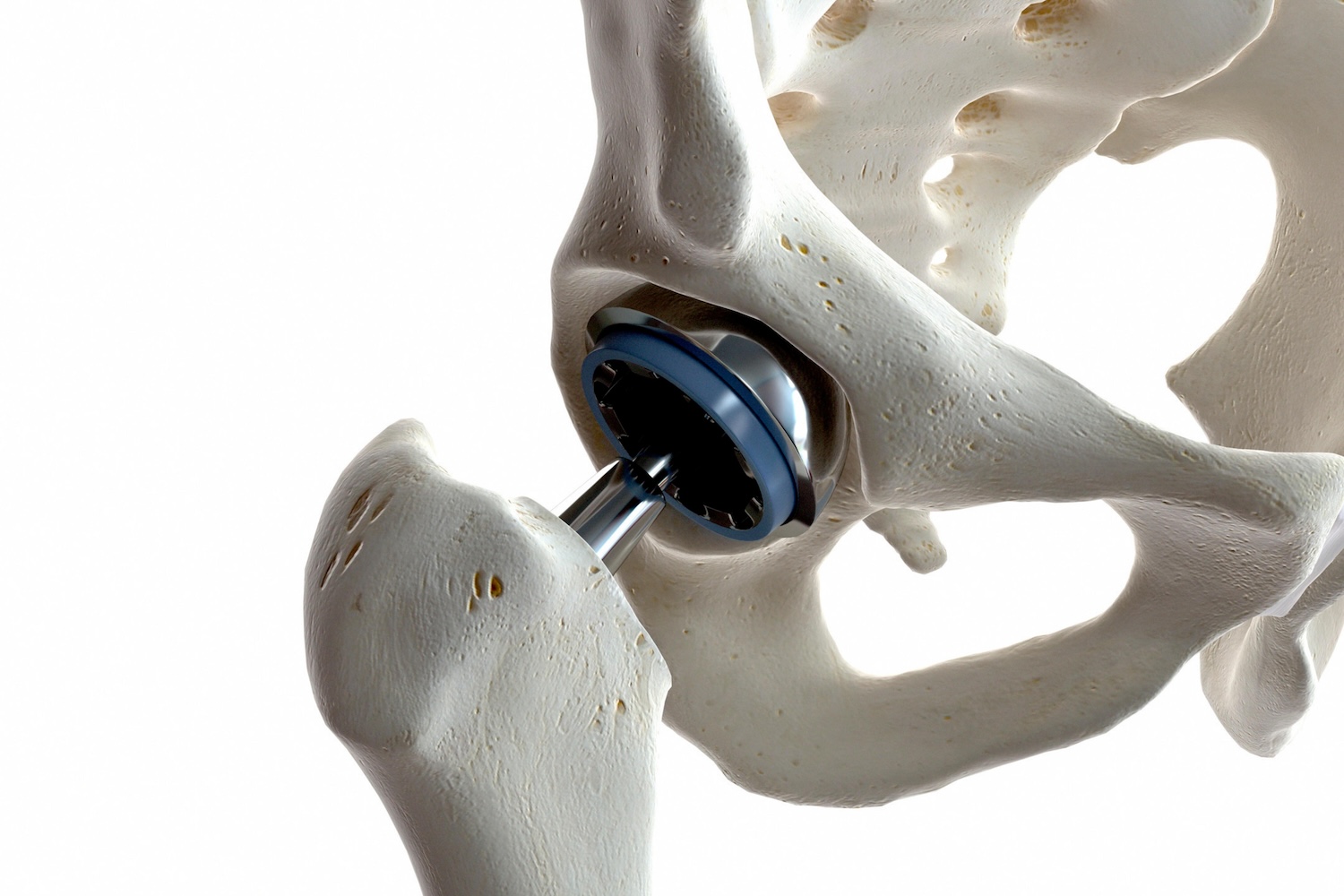
The artificial components are usually made from metal, ceramic, and hard plastic. The combination of these materials forms a prosthesis designed to reduce pain and help the hip move and function more effectively.
When Might a Hip Replacement Be Recommended?
Most people who need a hip replacement have significant joint damage caused by arthritis. Some of the most common causes are osteoarthritis, where the cartilage covering the ends of the bones gradually wears down, while rheumatoid arthritis damages the joint through ongoing inflammation. Another possible cause is osteonecrosis, which develops when reduced blood supply weakens the ball of the hip joint and may eventually cause it to collapse or change shape.
As the joint becomes more damaged, pain and stiffness can make everyday movement increasingly difficult. Walking a short distance or standing up from a chair may take more effort, while persistent pain can also disturb sleep.
Your doctor will assess the hip by asking about your symptoms and examining its movement and strength. An X-ray can then help show the extent of the joint damage, but it is only one part of the decision. Hip replacement is generally considered when the examination findings support it, and non-surgical treatment no longer provides sufficient relief.
How to Prepare for Hip Replacement Surgery
Pre- and postoperative physiotherapy can prepare you physically and practically for recovery. Before surgery, your physiotherapist may help you strengthen the muscles around the hip, improve mobility, and practise using crutches or climbing stairs. You can also learn what to expect after the operation, including early exercises and ways to manage swelling.
It is also worth preparing your home for the first few weeks. Remove tripping hazards, keep everyday items within easy reach, and arrange help with household tasks if needed. An elevated seat or other recommended aids can make daily activities easier while your mobility is limited.
What Happens During Surgery and the Hospital Stay?
Hip replacement surgery is performed under general or spinal anaesthesia and can usually be completed within two hours. After the procedure, the medical staff will monitor your recovery, help manage your pain, and take measures to reduce the risk of blood clots until you are ready to leave the hospital.

The length of the hospital stay varies according to your health, mobility, and the support available at home. Some patients can leave on the same day, while others stay longer to recover and learn how to move safely before returning home.
Physiotherapy is an important part of this early recovery. A physiotherapist may guide you through getting out of bed, walking with an aid, and using stairs safely. If you return home early, rehabilitation can continue through suitable home exercises, ideally with ongoing physiotherapy guidance so the programme can be adjusted as your strength and mobility improve.
Physiotherapy and Rehabilitation After Hip Replacement
Physiotherapy supports the transition from early assisted movement to greater independence in daily life. The rehabilitation plan should follow the surgeon’s instructions and develop according to how your hip responds.
How Long Does Rehabilitation Take?
There is no single recovery timeline after a hip replacement. Some everyday activities may become manageable within several weeks, while rebuilding strength and mobility can take longer. How long you need crutches or professional support depends on your health, physical condition, and progress.
How Physiotherapy Progresses
Once you can move safely, physiotherapy begins working towards a smoother walking pattern and better control of the operated leg. Exercises are gradually developed to strengthen the muscles around the hip and improve balance.
Home exercises allow this progress to continue between appointments. Later, Medical Training Therapy can provide more structured strength and functional training. Manual therapy may also be included when appropriate for your condition.
Moving Safely in Everyday Life
Any movement restrictions after surgery depend on the surgeon’s instructions. Because these precautions are not the same for everyone, ask your doctor or physiotherapist which movements apply to you and how long you should follow them.
Small changes at home such as wearing shoes you can easily slip on and off, installing a raised toilet seat, or grab bars may help during early recovery. When rebuilding walking tolerance, begin with distances you can manage comfortably and increase them gradually.
Possible Risks and When to Seek Medical Help
Hip replacement is a commonly performed procedure, but like any major operation, it carries some risks. Possible complications include infection, bleeding, dislocation, fracture, blood clots, and more. Some people may also notice a difference in leg length after surgery.
Contact your surgeon or hospital if the wound becomes increasingly painful, or if you develop a fever, new calf swelling, or sudden severe hip pain. These changes should be assessed promptly by a doctor.
Call emergency services if you develop sudden shortness of breath or chest pain. These symptoms may require immediate medical attention.
Staying Active with an Artificial Hip
Once your recovery has progressed sufficiently, low-impact activities such as cycling and swimming can help you remain active. Your return to activity should be gradual and follow the advice of your doctor or physiotherapist.
If travelling to a clinic is difficult, home physiotherapy can provide direct support in a familiar environment. A physiotherapist can guide you through suitable exercises and adjust them as your strength, mobility, and confidence improve.
Finding an appropriate activity level also matters for the long-term care of your new hip. According to Harvard Health, hip replacements generally last at least 10 to 15 years, and newer implants may last longer. However, how long a replacement lasts varies between patients and may be influenced by factors such as activity level and body weight.
Continue Your Recovery with PhysioWelt
Leaving the hospital is only the beginning of rebuilding confidence in your hip. At PhysioWelt in Schlieren, we adapt your physiotherapy to your surgeon’s instructions, current mobility, and personal goals. Your programme progresses with you, whether you are learning to move safely at home, returning to work, or preparing to become active again.
If you would like professional support before or after your hip replacement, book an appointment with us. We will help you approach each stage of rehabilitation with a clear and manageable plan.
Frequently Asked Questions (FAQ)
Which physiotherapy exercises are important after a hip replacement?
Early exercises usually focus on activating the muscles around the hip and moving safely. As recovery progresses, your programme may include strengthening, balance work, and walking practice. The exercises should be selected and adjusted by your physiotherapist according to your operation and progress.
How long will I stay in the hospital after a hip replacement?
The length of stay varies. Many patients can return home on the day of surgery, while others might need more time in hospital before they can move safely and manage at home.
When can I walk again after a hip replacement?
Patients are encouraged to walk with an aid soon after surgery. How quickly you progress from crutches to independent walking depends on your health, strength, balance, and the instructions from your surgeon.
How often and for how long do I need physiotherapy after a hip replacement?
There is no standard schedule that suits everyone. The frequency and duration of physiotherapy depend on your surgeon’s protocol, your physical condition, and how your hip responds.
Which sports are possible with a hip replacement?
Cycling, swimming, and golfing may be suitable once you have recovered sufficiently. Activities involving repeated impact, sudden turns, or physical contact should be discussed with your doctor before you return to them.
Is hip replacement surgery dangerous?
Hip replacement is a well-established procedure, although it carries some risks like any operation. Your surgeon will assess your health beforehand and take appropriate precautions throughout the procedure and recovery.
More Articles On This Topic



Ready for the First Step Toward a Healthier You?
Don’t let pain limit you any longer! Book an appointment at our physiotherapy clinic in Zurich (Schlieren) by phone or through our online booking system.