ACL Tear: Rehabilitation & Return to Sport
A torn cruciate ligament requires structured rehabilitation. Mobility, strength, control, and reliable knee tests are crucial.
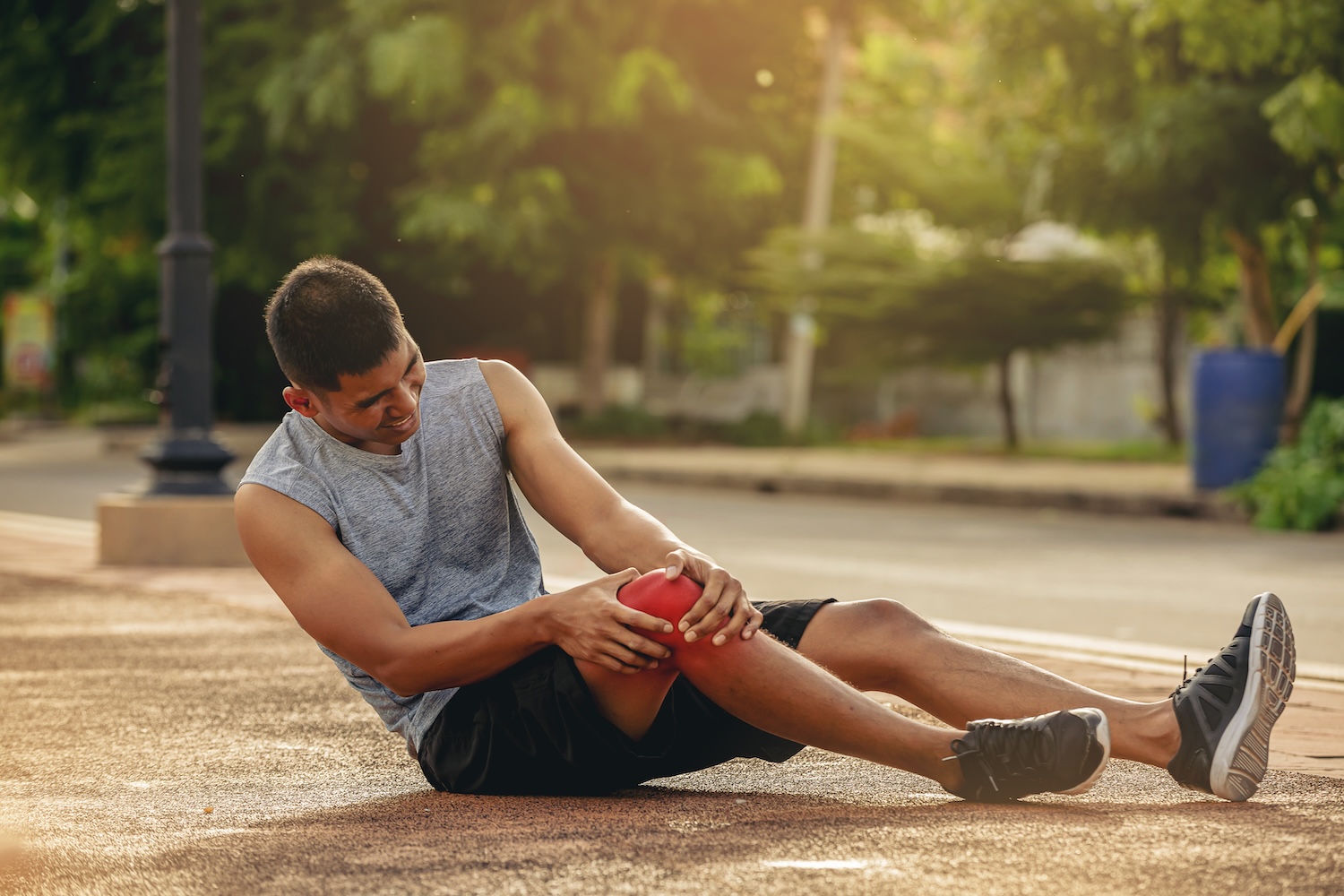
A torn cruciate ligament can change everyday life in seconds. The knee swells, putting weight on it becomes difficult, and even simple twisting movements feel unsteady. If you're active or play sports, you may be wondering when you can get back to training and competing.
A cruciate ligament tear is a common injury, and for most people, returning to sport depends on their rehabilitation. After surgery in particular, structured rehab is what restores mobility, strength, and control. Whether you are ready to progress is judged by clear recovery goals, like regaining full strength and stability, rather than by how many weeks have passed. This article walks you through that path step by step, from the first days back to your return to sport.
From Cruciate Ligament Tear to Rehabilitation
The anterior cruciate ligament (ACL) is a strong band of tissue inside the knee that helps keep the joint stable. It can tear when you suddenly twist your knee, when the knee gives way, or when you land awkwardly after a jump. Whether the tear is treated conservatively or with ACL reconstruction depends on the degree of instability, the type of sport you do, the demands of your job, and any accompanying injuries.
This guide focuses on the rehabilitation itself. For how a cruciate ligament tear happens, its typical symptoms, and how it is diagnosed, see our overview article, ACL tear: symptoms, cause & treatment.
How Does Recovery Progress After Surgery?
When surgery is planned, physiotherapy often starts beforehand. This prehabilitation reduces swelling, helps the knee straighten fully again, and reactivates the thigh muscles. The stronger and more mobile the knee is before the operation, the smoother recovery tends to be afterward.
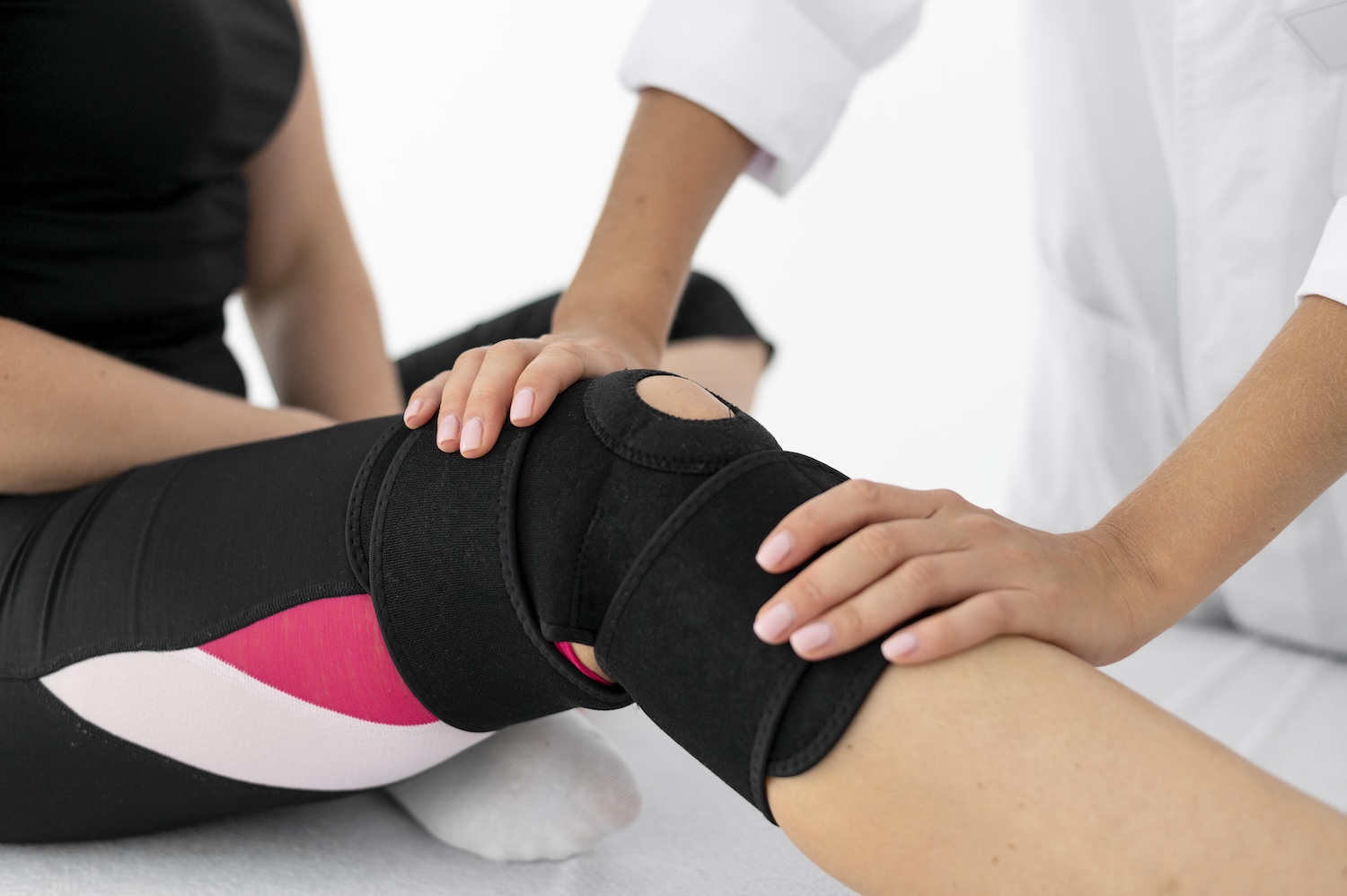
After surgery, rehabilitation begins early. Instead of keeping the knee still for weeks, you gradually start moving it again and putting more weight on the leg as it heals. A return to sport can take around nine months or even longer, and the exact timing depends on how the injury heals, any accompanying injuries, the type of sport, the surgery itself, and your test results. That is why the timeframes below are guidelines, not fixed dates.
Phase 1: Reducing Swelling & Protecting the Knee (Weeks 0–2)
In the first few days, the main priority is to reduce swelling, ease pain, and protect the knee while the wound heals. To do this, we can ease the pain by cooling the knee, and take pressure off it with elevation and partial weight-bearing on crutches. At the same time, gentle pain-free movements, such as straightening the knee, help stop it from stiffening. Manual lymphatic drainage may also make some people feel more comfortable.
Even while the knee is still being protected during the first few weeks, some aspects of rehabilitation can begin. This includes following your doctor's advice on preventing blood clots (thrombosis prophylaxis) and doing gentle thigh exercises to help prevent muscle weakness after surgery.
Phase 2: Mobility & Walking (Weeks 2–6)
In weeks two to six, the training steps up. Now the focus is on straightening the knee fully, bending it more freely, and building back to walking without a limp. Once the knee stays steady as you walk, and when your doctor agrees, you can set the crutches aside. A structured pre- and post-operative care program keeps that progress on track, pairing the growing training load with home exercises and regular check-ins.
Hands-on treatments play a supporting role here. Manual therapy can free up a stiff joint, while fascia therapy or trigger point therapy can ease painful muscle tension that limits movement. The main focus remains on active rehabilitation, with exercises that help you move the knee and gradually put the right amount of load on it.
Phase 3: Strength & Coordination (Months 2–6)
With mobility restored, the focus shifts to strength, balance, and proprioception, which is the body's sense of the knee's position and movement. Training targets the thighs, hips, and trunk so the knee stays stable when climbing up the stairs, on one leg, and later during jumps.
The strength and balance work is often structured as medical training therapy, which lets the amount of training build up gradually and safely. As the knee settles and grows stronger, activities return in stages, with cycling and strength work usually possible from around the third month and light jogging from roughly three to four months.
How Do You Know When You're Ready to Return to Sport?
Around the fourth month, sport-specific training often begins. At first, moves like jumping, landing, sprinting, and changing direction are practiced one at a time. Later, they are combined, at higher speed and even when you are tired, until the training matches the demands of your sport. What matters most is the quality of movement. The knee should stay stable, with no inward buckling and no swelling after exertion.
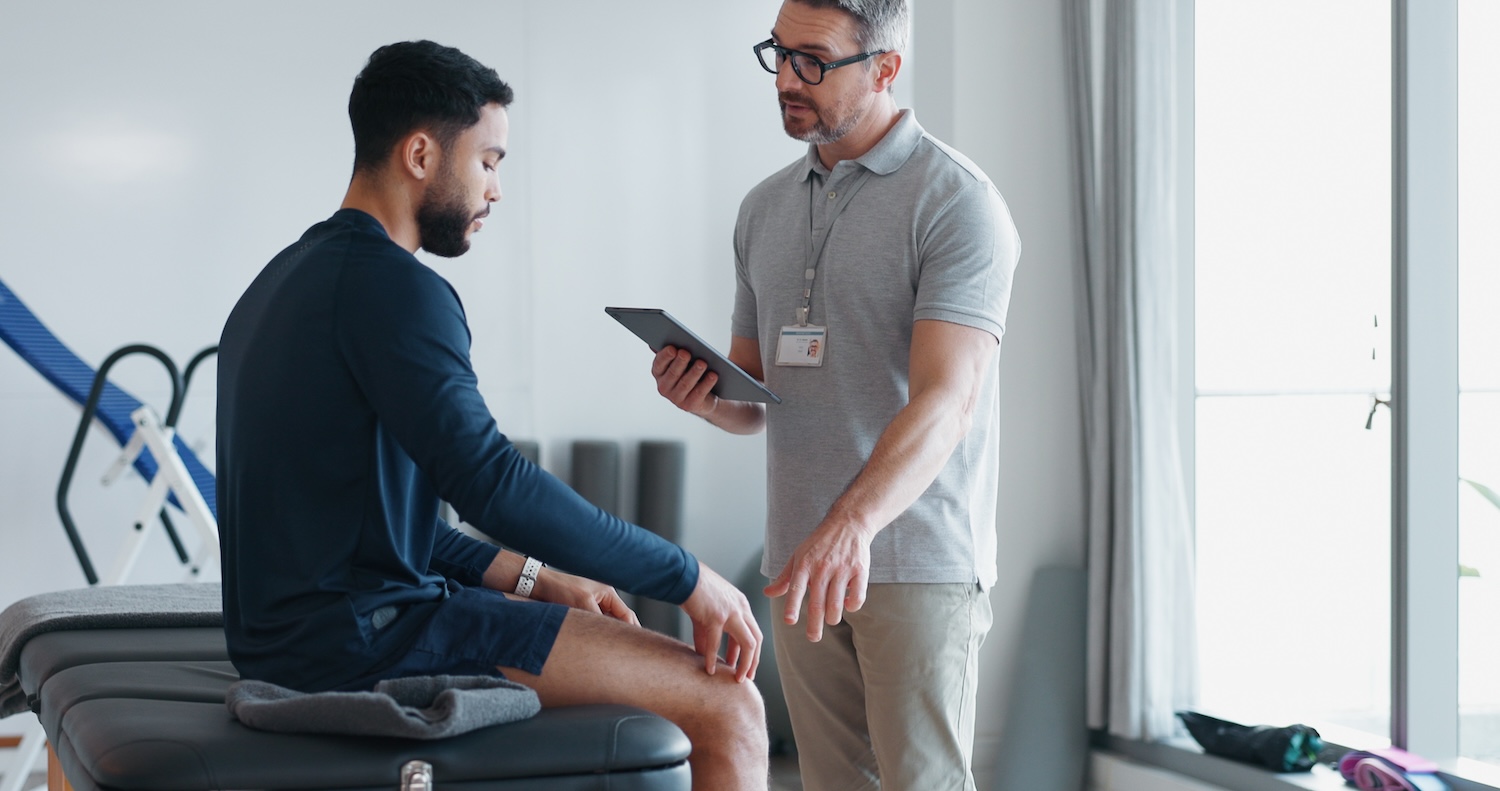
Being cleared to return to sport means more than a knee that feels fine in everyday life. Your physiotherapist also checks that it can cope with the harder demands of your sport. Common checks include a calm knee with no swelling, the ability to bend and straighten it fully, enough strength in the leg, and hop or jump tests that compare the two legs, usually looking for the injured leg to reach around 90 percent of the healthy one. No single test is enough on its own, so the whole picture is weighed together, including how safely you land and change direction.
Contact sports, and sports with quick twisting movements, are usually left until later in the process, with many clinicians suggesting a wait of at least around nine months. There is no fixed cut-off that fits everyone, so the timing is best decided with your doctor and physiotherapist. Coming back to sport before the knee has healed, and before you meet the agreed criteria, can increase the risk of another injury.
How PhysioWelt Supports Your Recovery
After a cruciate ligament tear, the knee needs a clearly structured path, from the early swelling phase all the way back to the demands of sport. PhysioWelt guides you through it with a rehabilitation plan, controlled training therapy, and functional tests before you return to sport.
For a physiotherapy assessment and help planning your next steps in rehabilitation, you can schedule an appointment at any time.
Frequently Asked Questions (FAQ)
When can I do sports again?
It varies from person to person. Controlled cycling and light strength work are often possible from around three months, and jogging from about three to four months, once the knee allows it. Contact and twisting sports usually come later, and rather than a fixed date, the decision is based on your progress and test results, made together with your doctor and physiotherapist.
Can an ACL tear heal without surgery?
When instability is low, the demands on the knee are moderate, and there are no significant accompanying injuries, intensive conservative physiotherapy can work well. You and an orthopedic specialist decide together.
When should physiotherapy begin?
As early as possible, and often even before planned surgery. After the operation, early physiotherapy supports mobility, muscle activation, and a safe, gradual return to activity.
What is the risk of another cruciate ligament tear?
The risk is higher with an early return to sport and when strength or movement control is still lacking. Working to clear objective criteria before returning, and continuing strength and stability training afterward, are the main ways to reduce the risks you can control.
When can I drive again after the operation?
When you can drive varies from person to person. As a minimum, driving has to wait until you are off crutches, fully weight-bearing, and able to make an emergency stop safely. How soon that happens depends on which knee was operated on, the type of graft, the car you drive, and how your recovery is going, so the safest approach is to agree on the timing with your surgeon and physiotherapist.
More Articles On This Topic


Ready for the First Step Toward a Healthier You?
Don’t let pain limit you any longer! Book an appointment at our physiotherapy clinic in Zurich (Schlieren) by phone or through our online booking system.