Return to Sport: When Is It Safe to Train at Full Intensity Again?
A safe return depends on strength, control, and load tolerance. These criteria show when you're ready again.

After an injury, that first step back into training can feel daunting. In everyday life, your knee, foot, or injured muscle might already feel fine, but quick changes of direction, jumps, and longer efforts ask something completely different of your body. Feeling pain-free is a good sign, though on its own it doesn't tell you whether you're truly ready to return to your previous level.
A safe return to sport follows clear criteria. Your tissue needs to heal, and your strength, movement quality, endurance, and confidence in the injured area all need to come together. This is where physiotherapy tests come in, revealing the deficits that are still there and helping you build the load back up step by step.
What Exactly Does 'Return to Sport' Mean?
Return to sport is a step-by-step process. You start by taking part in selected training activities again. From there, you return to your sport, and finally, if that's your goal, to your previous performance or competitive level. According to the international Return to Sport consensus published in the British Journal of Sports Medicine, professionals distinguish between three stages: return to participation, return to sport, and return to performance. The decision depends on several factors and should always be made together with the professionals treating you.
The calendar gives you a rough timeframe, but not an automatic green light. After a ligament tear, a muscle injury, or surgery, the injured structure may be medically healed enough while your strength, coordination, or reaction time are still catching up. Healing times and the demands of returning to sport therefore differ from injury to injury. You can read more in our overview of the most common sports injuries.
The Four Phases of Rehabilitation Before Return to Sport
Rehabilitation can be divided into four phases that build on one another. You move to the next phase once you've reached defined goals.
- Healing and load tolerance: Pain, swelling, and stiffness ease off. The injured structure is loaded again, gradually and within the limits your clinician allows.
- Trainability: You build up mobility, strength, and neuromuscular control. You can train harder without your symptoms flaring up noticeably during the session or the next day.
- Performance: Your training becomes more sport-specific. You start preparing for acceleration, deceleration, changes of direction, jumps, and longer endurance efforts.
- Competitive readiness: The demands of competition are tested under conditions that are as realistic as possible. That includes fatigue, decision-making under pressure, contact, and unpredictable movements.
How quickly you move through these steps depends on the injury, the treatment, and your starting fitness level. That's why sports rehabilitation is guided by progress you can actually measure, not just weeks on the calendar.
How Long Does It Take? Guidelines by Type of Injury
Time estimates give you a rough guide. They don't replace a clinical assessment or functional tests.
Muscle injuries: Strains or minor muscle fibre tears often allow a gradual build-up of training over days to a few weeks, depending on severity. More serious injuries take longer to come back from. Strength, flexibility, and load tolerance are what matter here.
Ligament and tendon injuries: Ankle and Achilles tendon injuries usually need weeks to months. Tendons adapt fairly slowly to increasing pulling and jumping loads, so a pain-free daily routine doesn't yet mean sprints or repeated jumps are safe.
After a cruciate ligament tear or knee surgery: A cruciate ligament injury takes longer to come back from. Returning to sports with jumps, stop-and-go movements, and changes of direction often happens somewhere between nine and twelve months, and that window stays tied to functional criteria. In young athletes, going back to knee-stressing sports before the nine-month mark has been linked to a markedly higher rate of second cruciate ligament injury. This is why ACL rehabilitation looks at time, strength, and test results together.
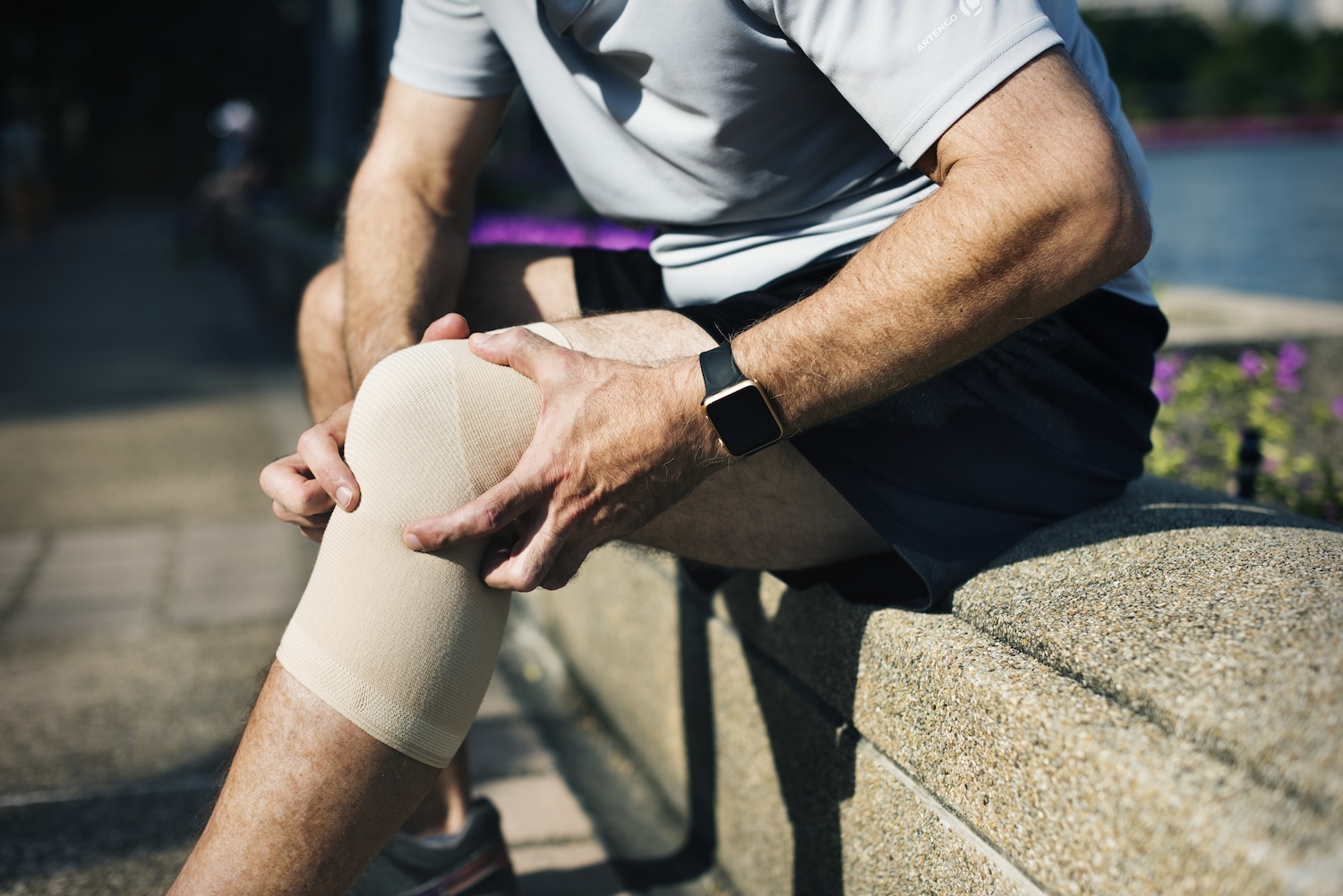
Overall, the sport itself changes the demands. Steady endurance training can often be built back up earlier than sports like football, tennis, handball, or skiing, where rapid changes of direction and unpredictable situations come into play.
Return-to-Sport Tests: How We Measure Your Load Tolerance
A test battery looks at several abilities at once. One good score on its own isn't enough, because strength, control, jumping performance, and psychological readiness each tell you something different about how much load you can handle.
- Strength compared to the other side: The Limb Symmetry Index (LSI) compares your injured side with your uninjured one. Depending on the injury, sport, and test, the target is often at least 90 to 95 percent. After an ACL tear, we focus mainly on the quadriceps and hamstrings. It's worth knowing that a good LSI score can hide problems: if both sides are weak, or if your hip and trunk quietly compensate, the number can look better than the knee actually is. That's why we never read it in isolation.
- Jump and hop tests: In tests like the single hop, side hop, or drop-landing from a set height, what counts is your performance, how well you control the landing, and how you hold up as fatigue sets in. Clean, repeatable jumps matter far more than one good effort.
- Movement quality and stability: The single-leg squat and the Y-balance test show how well your leg alignment, balance, and core control work together. Noticeable knee buckling, compensating movements, or increasing wobble all point to areas that need more training.
- Psychological readiness: Fear of re-injury and a loss of confidence can hold you back just as much as a physical limit. The ACL-RSI questionnaire captures these factors after a cruciate ligament injury. Psychological readiness sits alongside the physical tests, and it's linked both to whether you actually return and to your risk of re-injury.
We read all of these results together, alongside your clinical examination, your training history, medical guidelines, and the specific demands of your sport.
Are You Ready? Checklist and Warning Signs
Before you return to full load, most of these points should be in place:
- No new joint effusion, and no swelling that's getting worse
- Full mobility, or enough for your sport, and in particular full extension at the knee
- Pain during and after activity that is mild at most, as a rough guide no more than 2 out of 10
- Enough strength, with your LSI target range reached
- Controlled single-leg movements, jumps, and landings
- Trust in the injured joint or the affected muscle and tendon
- A stable reaction the next day, with no real setback
Pause your return to training if pain or swelling increases, if the joint buckles, feels unstable, or loses mobility. New ways of protecting or favouring the joint, instability that keeps coming back, and a clear drop in performance once you're tired are also reasons to hold off before stepping up to the next level. After surgery, your medical and therapy team's instructions always take priority.
The Role of Physiotherapy in a Safe Comeback
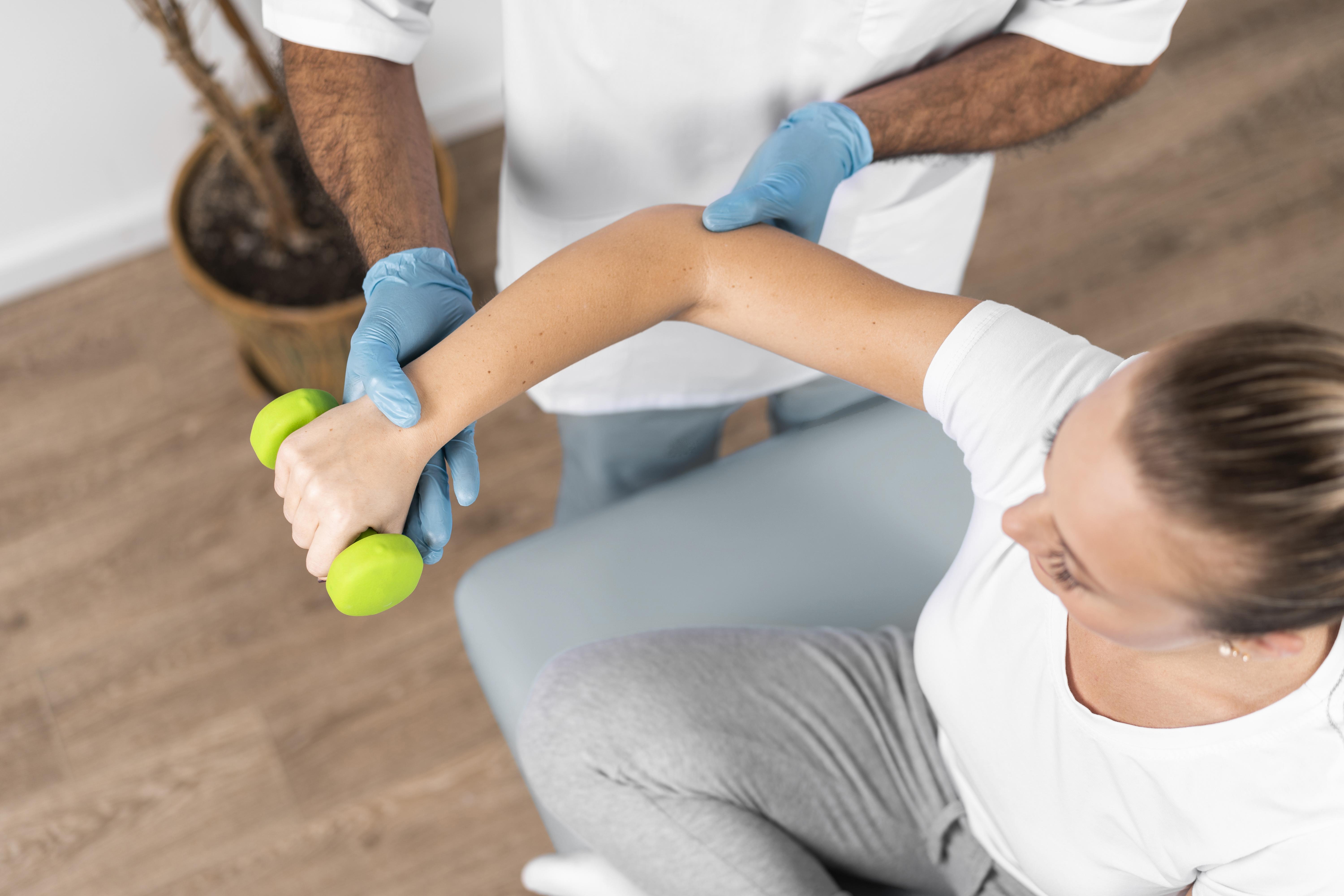
During training on your own, it's hard to notice compensations or small differences between your two sides. A physiotherapy-supported return combines measurements with a trained eye on how you move and how you respond to increasing load. That shows which abilities are already solid and where you still need more work.
Objective Testing Instead of Gut Feeling
At PhysioWelt, a standardised return-to-sport test battery, using the right measuring equipment, can assess your strength, side-to-side differences, jumping performance, stability, and movement quality. We document the results and compare them over time, so you get concrete criteria for moving on to the next training stage.
These tests also shape your training plan. If your strength drops off during repeated landings, for example, the focus will be different from someone who has good strength but shaky control of their leg axis. In medical training therapy (MTT), deficits like these can be worked on in a targeted way.
An Individual Training Plan Up to Full Load
Your programme starts with movements you can control and gradually moves closer to the demands of your sport. Depending on your sport and its level, this can build up to linear running, changes of pace, jumps, changes of direction, contact situations, and eventually competition scenarios. Training volume, intensity, and recovery are all managed so your body can adapt to each new level.
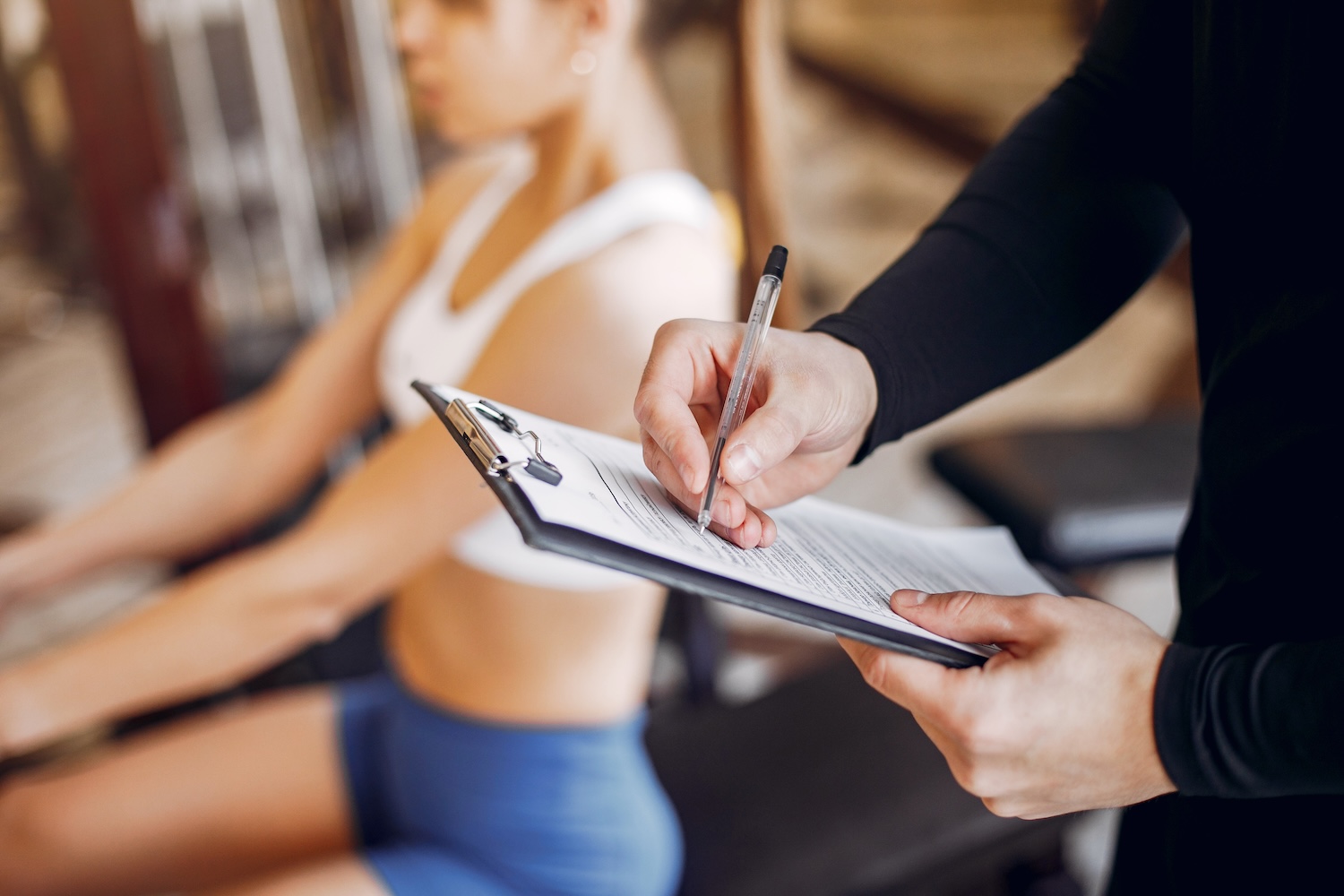
A bit of uncertainty is part of the process too. Repeatable tests and clear intermediate goals can help rebuild your confidence without brushing past the warning signs. For complex injuries or after surgery, your physiotherapy team works together with your doctors and the rest of your rehabilitation team.
Conclusion: A Safe Return to Sport Is a Decision, Not a Date
A reliable return to sport rests on healing, strength, control, sport-specific performance, and psychological readiness. Tests give you a firmer basis than guesswork or a fixed date on the calendar. To have your readiness assessed, get in touch with PhysioWelt.
Frequently Asked Questions (FAQ)
When can I fully return to sport after an injury?
Once you meet the criteria that matter for your injury and your sport, you'll be cleared to return. That means enough strength, controlled movement, successfully passing your functional tests, and confidence in the injured area. Time on its own isn't enough for clearance.
How long does it take to return to sport after a cruciate ligament tear?
For sports involving jumps and changes of direction, the guideline is often nine to twelve months. Even then, you should only return once you've passed the test battery and your treatment team has given you the go-ahead.
Is being pain-free enough to return to sport?
No. Being pain-free is an important starting point, but it says little about your strength, stability, reaction time, and how you hold up under fatigue. Those all need to be assessed too.
Where can I take a return-to-sport test in Zurich?
At PhysioWelt in Zurich (Schlieren), a physiotherapist can test your physical capacity and readiness. To arrange this, you can request an appointment through our contact page.
More Articles On This Topic

Ready for the First Step Toward a Healthier You?
Don’t let pain limit you any longer! Book an appointment at our physiotherapy clinic in Zurich (Schlieren) by phone or through our online booking system.